We have evaluated countless finishing options for metal components over the years, and one truth consistently stands out: the choice between powder coating and liquid paint dramatically affects how long your metal parts will perform and look their best. In demanding environments, where exposure to weather, chemicals, impacts, and daily wear is inevitable, powder coating often emerges as the clear champion for long-term protection. This in-depth comparison will help you understand the real differences, backed by performance data, process insights, and practical outcomes. Whether you manufacture industrial equipment, architectural elements, automotive parts, or consumer goods, making the right decision here protects your investment and reduces future headaches.
We believe in empowering our readers and clients with transparent, actionable information. By the end of this guide, you will see why so many professionals are turning to powder coating for superior longevity on metal surfaces.
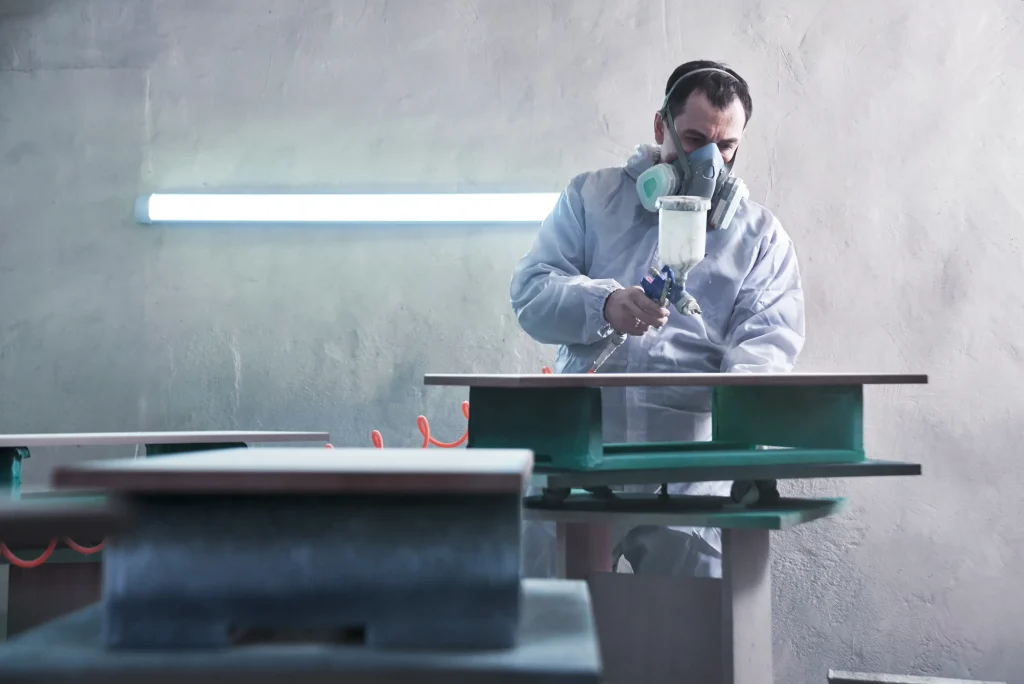
The Core Differences Between Powder Coating and Liquid Paint
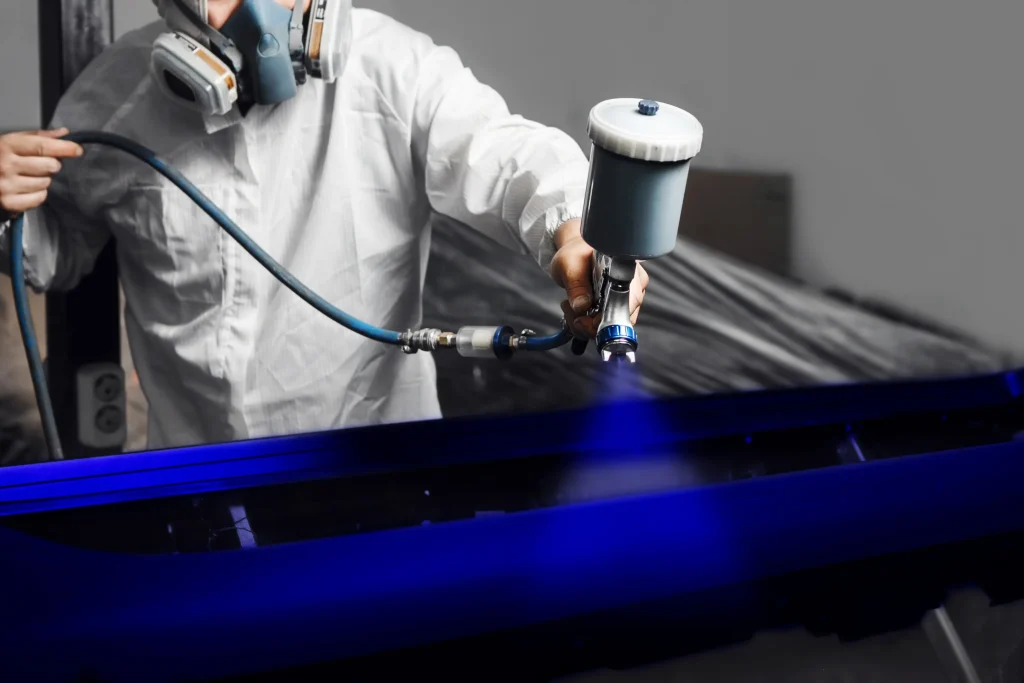
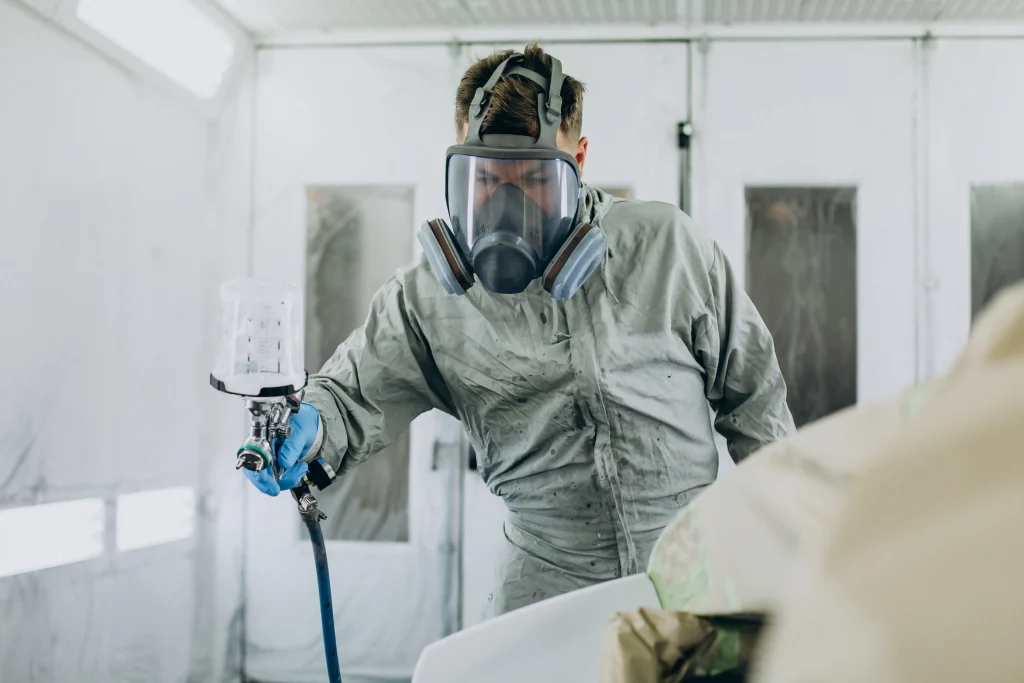
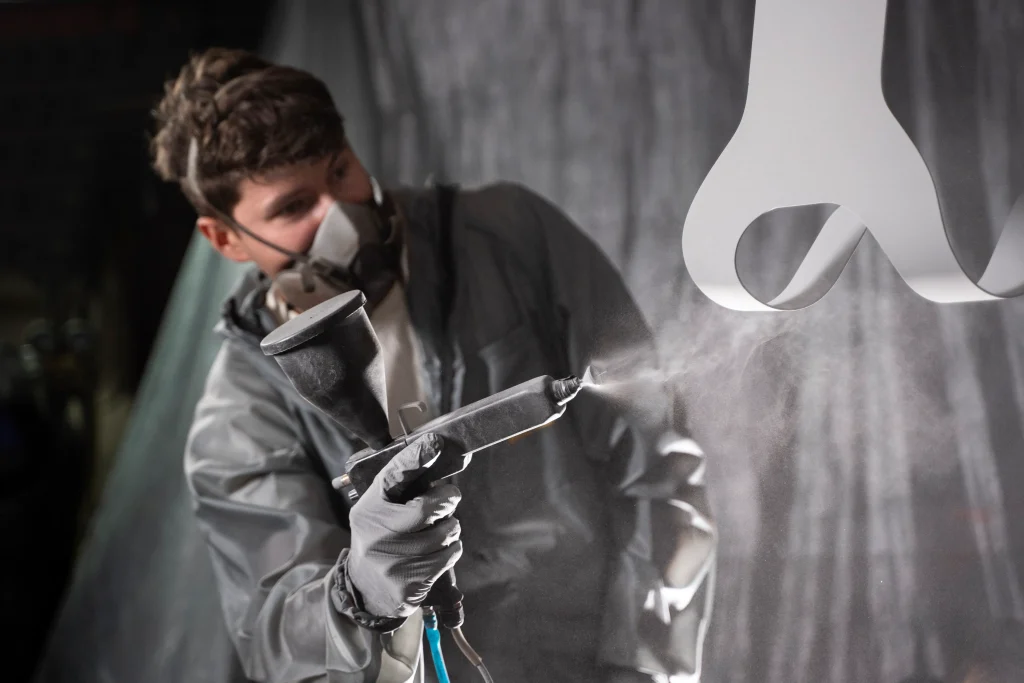
At first glance, both methods add color and protection to metal. Yet the technologies could not be more different. Powder coating applies a dry mixture of resin, pigment, and additives electrostatically, then cures it with heat to form a unified, cross-linked layer. Liquid paint, whether solvent-based or water-based, relies on sprays, brushes, or rollers, with solvents evaporating to leave a dried film behind.
This fundamental distinction drives every performance metric that matters for longevity. Powder creates a thicker, more uniform, and chemically bonded shell—typically 60–150 microns in a single coat—while liquid systems often require multiple thinner layers to approach similar coverage, introducing more variables for defects.
We regularly see metal parts finished with liquid paint showing early signs of wear—chipping at edges, fading in sunlight, or rust creeping from minor scratches. Powder-coated equivalents, by comparison, maintain integrity far longer because the finish flexes with the metal and resists penetration.
How Application Methods Influence Real-World Durability
The electrostatic application in powder coating ensures excellent wrap-around coverage, even on complex geometries and edges. Overspray is reclaimable, promoting efficiency and consistency. Liquid paint application depends heavily on operator skill and conditions, often resulting in runs, thin spots, or overspray waste.
These application realities translate directly into protection. A well-applied powder coat bonds deeply during curing, creating a barrier that seals the metal more effectively against moisture, salt, and corrosives.
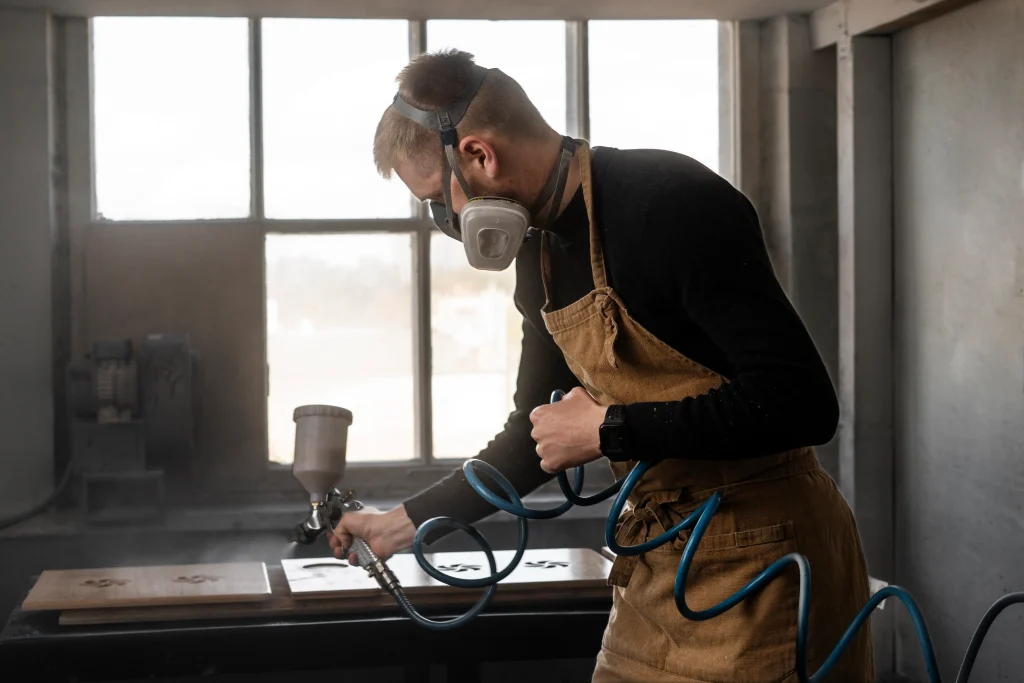
Why Powder Coating Delivers Superior Longevity on Metal
When we ask which finish really protects metal longer, the evidence points overwhelmingly to powder coating. Properly prepared and applied, it can last 15–25 years in outdoor conditions, compared to 3–10 years for many liquid paint systems, depending on formulation and environment.
Impact and abrasion resistance is markedly higher. The cured powder layer absorbs shocks without chipping as readily as brittle paint films. Scratch tests and real-world handling show powder maintaining appearance where liquid coatings quickly reveal the substrate.
Corrosion protection stands out as a decisive advantage. The thicker, seamless powder film creates a formidable barrier. Liquid paints can fail at micro-imperfections, allowing moisture ingress that accelerates rust. Salt spray testing consistently demonstrates powder-coated metal outperforming painted counterparts by significant margins.
UV stability further extends service life. Quality polyester powders resist chalking and color fade far better than standard paints, keeping metal parts vibrant and protected under prolonged sun exposure. This is critical for outdoor furniture, fencing, vehicle components, and architectural metalwork.
Environmental and Chemical Resistance That Lasts
We often highlight how powder coating stands up to chemicals, fuels, and cleaning agents that degrade liquid finishes over time. The cross-linked polymer structure provides inherent toughness that does not rely on sacrificial topcoats. For industries like agriculture, manufacturing, and transportation, this means fewer maintenance cycles and longer intervals between recoating.
In transactional terms, the extended lifespan reduces total ownership costs. While liquid paint might seem cheaper upfront, the repeated labor, materials, and downtime for repainting add up quickly. Powder coating shifts the economics in your favor through durability.
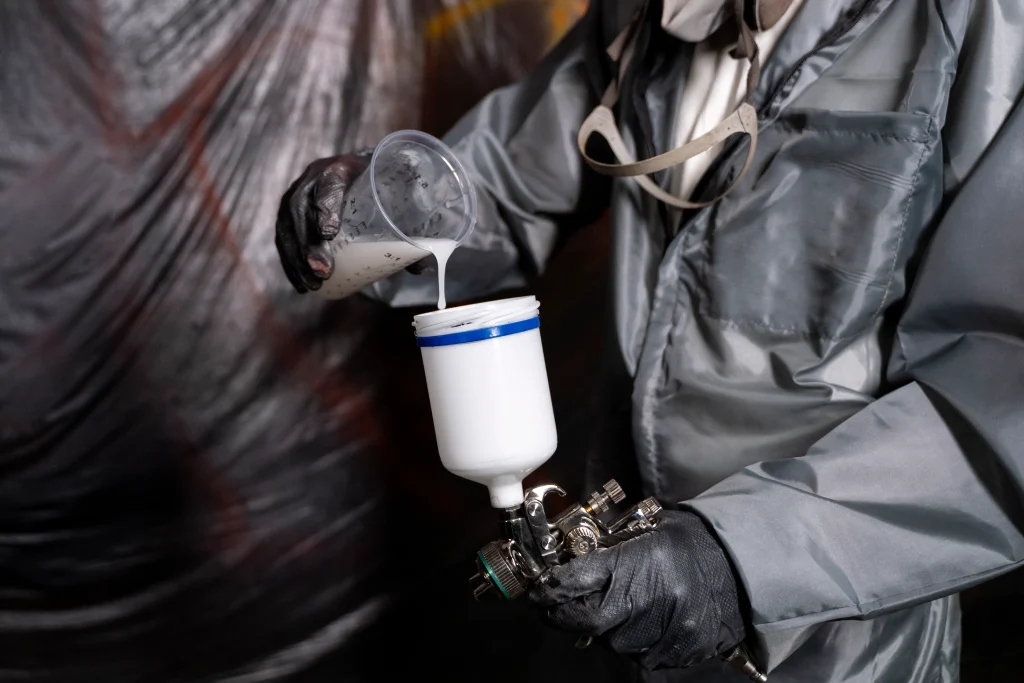
Breaking Down the Powder Coating Process for Maximum Protection
Understanding the steps helps explain the longevity advantage. We always stress that success begins with excellent surface preparation.
Essential Pretreatment for Metal Longevity
Cleaning and pretreating metal removes contaminants and creates a receptive surface. Phosphate treatments or mechanical profiling ensure the powder bonds tenaciously, preventing delamination years down the line. This foundation is more forgiving and effective than many liquid paint primers.
Electrostatic Spraying and Heat Curing Explained
The charged powder adheres uniformly, then melts and cross-links in an oven. This curing transforms the coating into a durable thermoset material that is harder yet more flexible than typical cured paints. The process minimizes defects and maximizes film integrity across the entire part.
We have found that controlling oven temperature and dwell time is key to achieving optimal cross-linking, which directly correlates with field performance and extended metal protection.
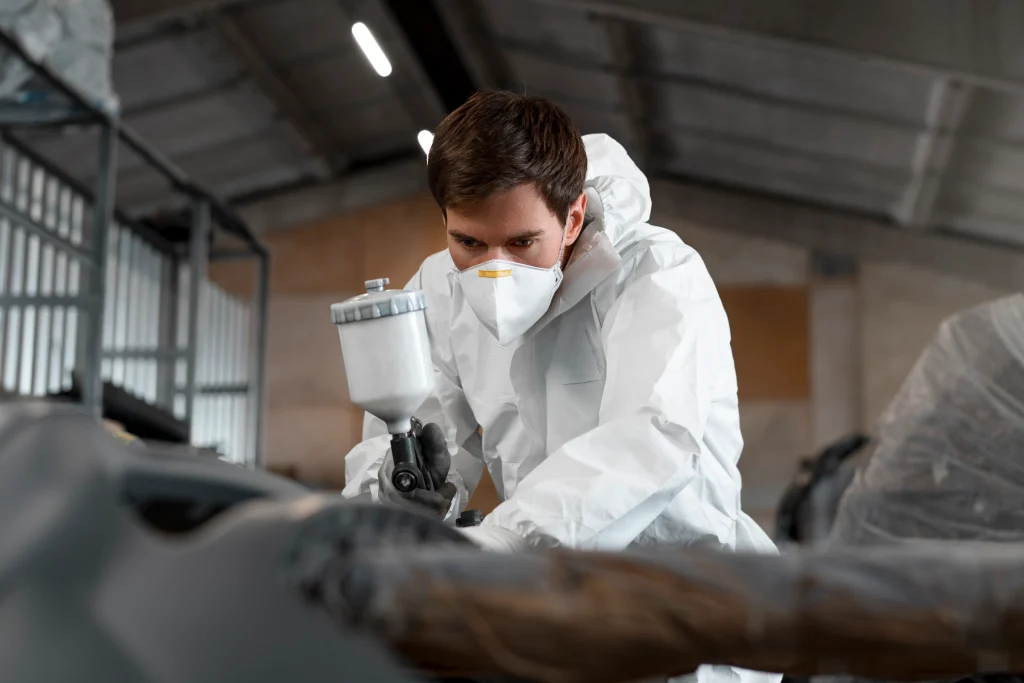
Liquid Paint Strengths and When It Might Still Make Sense
To be thorough in our comparison, liquid paint offers advantages in certain scenarios. It can be easier for field touch-ups, very large structures that exceed oven sizes, or heat-sensitive assemblies. Custom color matching and certain decorative effects are sometimes simpler with liquids. High-performance two-component polyurethane or epoxy paints can deliver strong results in controlled environments.
However, for most metal applications focused on long-term protection, these benefits rarely outweigh powder coating’s durability edge. Liquid systems remain more susceptible to environmental degradation, requiring more frequent intervention to maintain protection.
Cost Considerations Over the Full Lifecycle
Initial material and setup costs vary, but lifecycle analysis favors powder. Higher transfer efficiency, reduced waste, faster production cycles, and minimal VOC compliance burdens contribute to lower overall expenses. We help clients calculate these returns, often revealing substantial savings within the first few years.
Practical Applications Where Longevity Matters Most
Powder coating shines on automotive wheels and frames that endure road debris and weather. Architectural railings and facades benefit from decades of fade-free performance. Industrial machinery, agricultural implements, and commercial fixtures all gain extended service intervals. Even household items like outdoor furniture or appliances last longer and look better.
We recommend evaluating your specific metal parts against expected exposure. For high-wear or outdoor use, powder coating is usually the strategic choice for protecting your metal longer.
Common Myths Debunked
Some believe powder coating is inflexible or difficult to repair. Modern formulations offer good flexibility, and while spot repairs differ from paint, the reduced need for repairs offsets this. Others assume limited color choices—yet the palette is vast and customizable.
Thickness concerns are misplaced; the uniform build enhances protection without adding problematic weight for most applications.
Choosing the Right Finish for Your Metal Parts
We advise starting with a clear assessment of your requirements: environment, aesthetics, production volume, and budget. For longevity-focused projects on metal, powder coating consistently delivers better outcomes. Partnering with experienced coaters ensures proper execution and maximizes benefits.
Frequently Asked Questions
Which really protects metal longer—powder coating or liquid paint? Powder coating generally protects metal significantly longer due to its thicker, cross-linked structure, superior adhesion, and resistance to chipping, corrosion, and UV damage. Many applications see 2–3 times the service life compared to standard liquid paints.
Is powder coating more expensive than liquid paint? Upfront costs can be higher for equipment or outsourcing, but lifecycle costs are often lower thanks to durability, efficiency, and reduced maintenance. We help clients model these numbers for informed decisions.
Can powder coating be applied to all metal parts? Most ferrous and non-ferrous metals that tolerate curing temperatures work well. Size and heat-sensitive components may require evaluation, but the technology suits a wide range of industrial and commercial metal applications.
How does environmental impact compare? Powder coating is far more environmentally friendly, with near-zero VOCs and high material utilization. It aligns better with sustainability goals while delivering superior performance.
Conclusion
Throughout this detailed comparison, we have seen how powder coating’s process, material properties, and real-world performance enable it to protect metal longer than liquid paint in the majority of scenarios. The combination of robust adhesion, uniform thickness, chemical resistance, and low maintenance creates finishes that endure where others falter.
We’d love for you to join our social networks to stay updated with our latest news and events. Don’t miss out on anything and follow our accounts today! Contact us!