Selecting the proper finish for commercial metal canopies and stairs is one of the most important decisions property owners, architects, and facility managers face. The finish does far more than determine appearance. It directly influences long-term durability, maintenance costs, code compliance, weather resistance, and the overall impression your building makes on customers, tenants, and visitors. At our company, we work with commercial clients every day who need solutions that perform under heavy use, extreme weather, and strict safety standards. In this guide, we walk you through the key factors, available finish options, and practical considerations so you can make a confident, informed choice that protects your investment for decades.
Commercial environments place unique demands on metal structures. Canopies must shield entrances, walkways, and loading areas from sun, rain, snow, and wind while still looking polished. Stairs in public or high-traffic buildings must remain safe under constant foot traffic, resist corrosion in coastal or industrial settings, and meet accessibility and fire-code requirements. The wrong finish can lead to premature fading, rust, peeling, or costly refinishing. The right finish delivers lasting performance and a professional image that supports your brand.
Understanding the Demands of Commercial Applications
Before choosing a finish, we always begin by examining the specific conditions the canopy or stair system will face. Location matters enormously. A canopy in a coastal region contends with salt spray that accelerates corrosion. An urban installation may face pollution, acid rain, and frequent cleaning with harsh chemicals. Inland sites often deal with extreme temperature swings, UV exposure, and freeze-thaw cycles. Stairs inside a busy office building or retail center experience different stresses than exterior stairs exposed to weather and de-icing salts.
Traffic volume is another critical factor. High-traffic commercial stairs need finishes that resist abrasion and scuffing. Canopies over drive-through lanes or service entrances must withstand occasional vehicle contact and heavy precipitation. Aesthetic expectations also differ by project type. A luxury hotel entrance calls for a refined, consistent appearance, while an industrial facility may prioritize function and cost efficiency over high-end visual appeal.
We also consider local building codes, accessibility standards, and any corporate branding guidelines. Many commercial projects require finishes that maintain slip resistance on stair treads, provide adequate contrast for visual safety, or meet specific fire-resistance ratings when applied to structural steel. By evaluating these real-world demands first, we help clients avoid finishes that look good on paper but fail in practice.
Primary Finish Options for Metal Canopies and Stairs
Several proven finishing methods serve commercial metal canopies and stairs well. Each offers distinct advantages in durability, appearance, cost, and maintenance. We review the most widely used options below so you can match the right system to your project goals.
Hot-Dip Galvanizing
Hot-dip galvanizing remains one of the most reliable protective finishes for steel canopies and exterior stairs. The process involves immersing cleaned steel in molten zinc, creating a metallurgical bond that forms multiple layers of zinc-iron alloy and pure zinc. This coating provides sacrificial protection: if the surface is scratched, the surrounding zinc continues to protect the steel from corrosion.
For commercial applications, galvanizing excels in harsh environments. It performs especially well in coastal areas, industrial zones, and regions with heavy snowfall and road salt. The finish requires minimal maintenance and can last 50 years or more under many conditions. Appearance is typically a matte gray that can be left as-is or over-coated with paint or powder coating for added color and further protection. We often recommend duplex systems—galvanizing plus a topcoat—for projects that need both maximum corrosion resistance and a specific color.
Powder Coating
Powder coating has become the preferred decorative and protective finish for many commercial metal canopies and stairs. Electrostatically applied dry powder is cured under heat to form a hard, uniform film. Modern powder coatings offer excellent UV resistance, color retention, and impact resistance. They are available in a wide range of colors, textures (smooth, textured, metallic), and gloss levels, making them ideal when appearance is a priority.
In commercial settings, we specify architectural-grade powders that meet rigorous performance standards for outdoor exposure. These coatings resist chalking, fading, and chemical attack far better than many liquid paints. Powder coating also produces less volatile organic compounds during application, supporting sustainability goals. For stairs, textured powders can enhance slip resistance. For canopies, smooth or metallic finishes create a clean, modern look that complements contemporary architecture. Proper surface preparation and quality control during application are essential; we insist on these steps to ensure long-term adhesion and performance.
Liquid Paint Systems
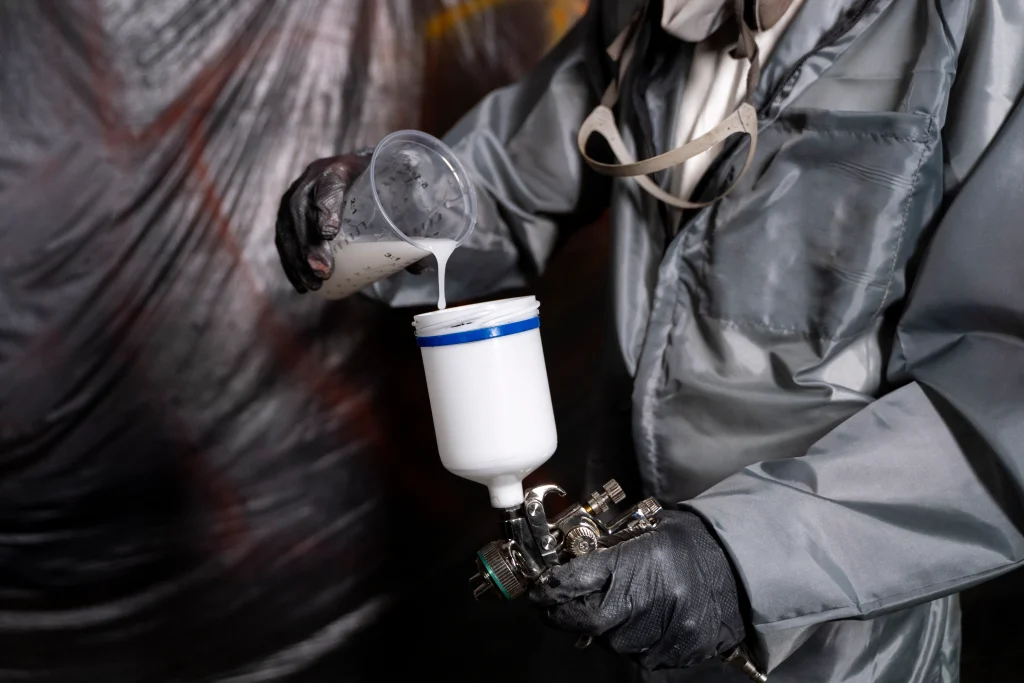
High-performance liquid paint systems, including epoxy primers and polyurethane or fluoropolymer topcoats, remain valuable for certain commercial projects. These multi-coat systems can be tailored for extreme environments or for matching exact brand colors that powder coating may not achieve as precisely. Fluoropolymer coatings, in particular, deliver outstanding color and gloss retention in intense sunlight.
Liquid systems allow greater flexibility in application thickness and can be field-applied for repairs or touch-ups. However, they generally require more maintenance over time than powder coating or galvanizing and may involve higher VOC levels during application. We recommend liquid systems when color matching is critical, when the structure is too large or complex for powder coating, or when field application is necessary.
Anodizing for Aluminum Components
When canopies or stair components are fabricated from aluminum, anodizing is frequently the finish of choice. The electrochemical process thickens the natural oxide layer on the aluminum surface, creating a hard, corrosion-resistant finish that can be dyed in various colors or left clear. Anodized aluminum offers excellent durability, low maintenance, and a distinctive metallic appearance that many architects prefer.
For commercial canopies, clear or lightly colored anodizing provides a sophisticated look while protecting against urban pollution and weather. Colored anodizing must be carefully specified, as some dyes can fade under prolonged UV exposure. We evaluate the specific aluminum alloy and expected service conditions before recommending anodizing thickness and color.
Stainless Steel and Specialty Finishes
In high-end or highly corrosive environments, stainless steel with mechanical finishes (brushed, polished, or patterned) or protective coatings may be specified. Stainless offers inherent corrosion resistance and a premium appearance. Specialty coatings such as ceramic-based or anti-graffiti finishes can be applied when vandalism or chemical exposure is a concern. These options carry higher material costs but can reduce long-term maintenance in demanding locations.
Key Factors We Evaluate When Recommending a Finish
Choosing among these options requires a systematic evaluation. We begin with environmental exposure—UV intensity, moisture, salt, pollutants, and temperature extremes. Next comes expected service life. A canopy intended to last 30–40 years without major refinishing needs a more robust system than a temporary structure. Aesthetic requirements, including color consistency across large surfaces and the ability to match other building elements, also influence the decision.
Maintenance access and cost form another important consideration. Some finishes can be cleaned with standard commercial methods; others may require specialized care. Initial budget versus life-cycle cost must be balanced. A lower-cost finish that requires refinishing every 7–10 years may prove more expensive over the life of the structure than a higher-quality system that lasts 25 years or more.
Safety and code compliance are non-negotiable for stairs. Finishes must not compromise the slip resistance of treads or nosings. In some jurisdictions, specific reflectance or contrast values are required for accessibility. We verify that the selected finish supports these requirements. Finally, we consider fabrication and installation realities. Some finishes must be applied after fabrication and welding; others can be applied to individual components that are later assembled. Field touch-up capability is valuable for large or complex installations.
Practical Guidance for Specifying and Maintaining Finishes
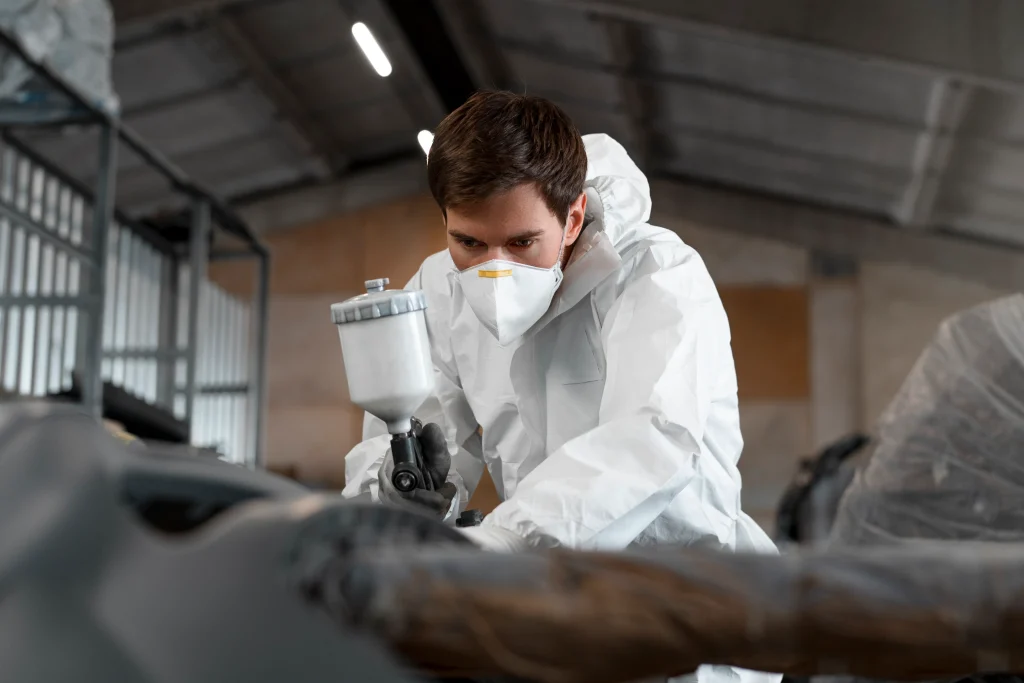
Once the preferred finish is identified, proper specification and quality control become essential. We work with clients and design teams to write clear finish schedules that include surface preparation standards, coating thickness, performance criteria (such as salt-spray resistance hours or UV exposure ratings), and inspection requirements. For powder coating and liquid systems, we often reference industry standards that define expected performance for architectural applications.
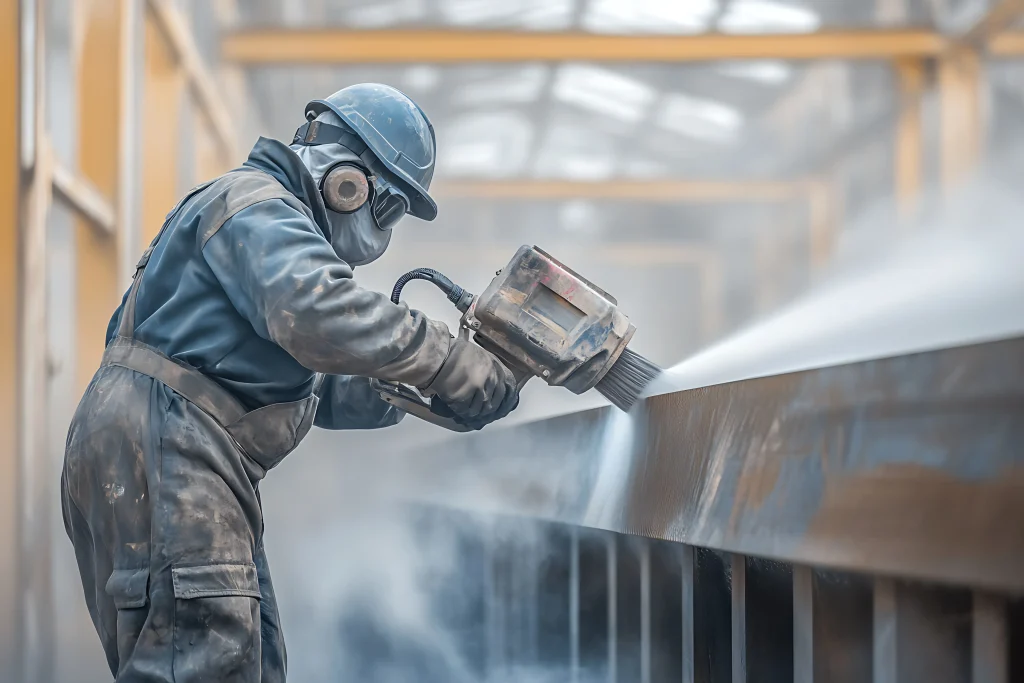
Surface preparation is the foundation of any successful finish. Mill scale, rust, oil, and welding residues must be thoroughly removed. For steel, this may involve abrasive blasting to a specified cleanliness level. For aluminum, chemical cleaning and etching are typical. Skipping or rushing preparation is the most common cause of premature coating failure.
After installation, routine maintenance extends service life. We advise clients to establish simple inspection and cleaning schedules. Canopies should be checked periodically for debris accumulation, standing water, or coating damage. Stairs benefit from regular cleaning to remove grit that can abrade the finish and from prompt repair of any chips or scratches that expose the substrate. In coastal or industrial areas, more frequent rinsing with fresh water helps remove corrosive deposits.
When minor damage occurs, timely touch-up prevents larger problems. We provide clients with matching touch-up materials and guidance so facility staff can address small issues before they spread. For major refinishing projects, we evaluate whether the existing coating can be overcoated or whether complete removal and reapplication is required.
Balancing Aesthetics, Performance, and Budget
Commercial projects almost always involve trade-offs. A highly durable galvanized finish may not deliver the exact color palette the architect envisioned. A premium powder coating in a custom color may exceed the initial budget. Our role is to present clear options with transparent cost and performance data so decision-makers can weigh priorities.
In many cases, hybrid approaches work well. Structural steel for a canopy can be galvanized for corrosion protection and then powder-coated in the desired color. Stair stringers and supports may receive a robust protective system while treads and handrails receive a more refined finish that enhances safety and appearance. Phased strategies are also possible: a durable base finish can be applied initially, with decorative topcoats added later when budgets allow or when branding updates occur.
Sustainability increasingly influences finish selection. Clients often prefer systems with lower environmental impact during application, longer service life that reduces material consumption over time, and finishes that support recyclability of the underlying metal at the end of the structure’s life. We help identify options that align with green building goals and any required certifications.
Common Pitfalls to Avoid
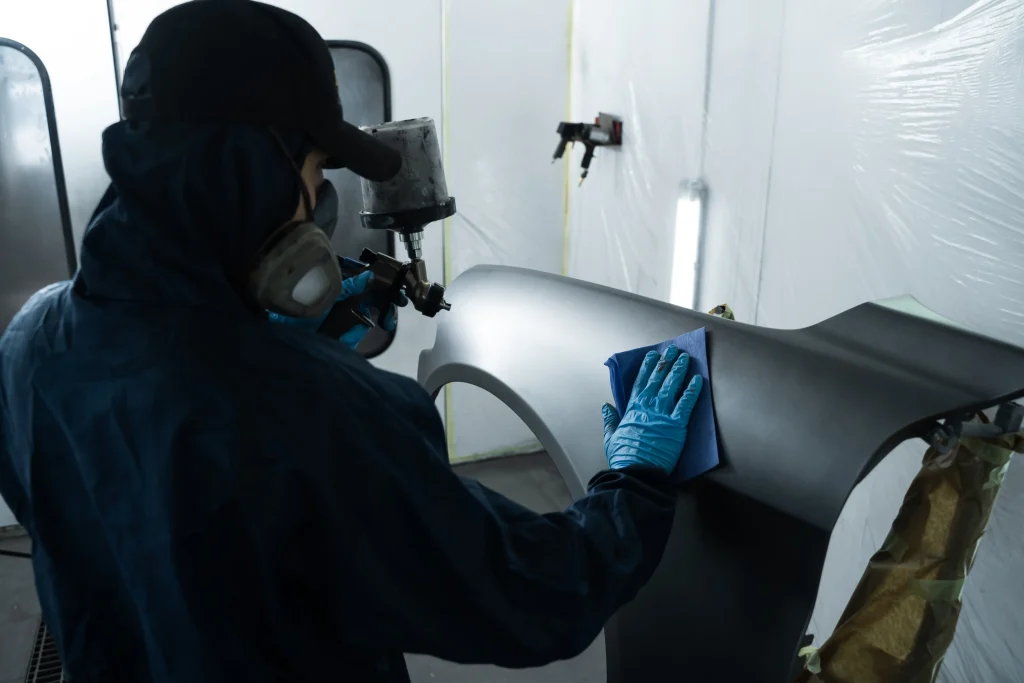
Over the years, we have observed several recurring mistakes that compromise finish performance. Specifying a residential-grade coating for a commercial application almost always leads to early failure under higher UV exposure, heavier cleaning regimes, or more aggressive environmental conditions. Inadequate surface preparation, even with high-quality coatings, produces adhesion problems. Ignoring local climate data results in finishes that chalk, fade, or corrode faster than expected. Finally, failing to plan for maintenance access or touch-up procedures leaves facility teams unprepared when minor damage appears.
We also caution against selecting finishes solely on lowest first cost. Life-cycle analysis frequently shows that a moderately higher initial investment in a superior finish yields lower total ownership cost through reduced maintenance, fewer refinishing cycles, and better protection of the underlying metal structure.
Frequently Asked Questions
How long should a quality finish last on a commercial metal canopy or exterior stair system?
Service life varies with the finish system, environment, and maintenance. A properly applied hot-dip galvanized coating can protect steel for 40–70 years in many inland environments and 20–40 years in more aggressive coastal or industrial settings. Architectural powder coatings typically retain appearance and protection for 15–25 years or longer when high-performance formulations are used. Liquid fluoropolymer systems can also achieve 20-plus years of color and gloss retention. Regular inspection and prompt touch-up significantly extend these periods.
Can we change the color of an existing commercial canopy or stair finish?
In many cases, yes. Existing powder-coated or painted surfaces can often be cleaned, lightly abraded, and overcoated with a compatible new system. Galvanized surfaces can receive a powder or liquid topcoat after proper preparation. Complete removal and reapplication may be necessary if the existing coating is failing extensively or if the new finish system is incompatible. We evaluate the current condition and recommend the most cost-effective path to the desired appearance.
What is the best finish for stairs in a high-traffic commercial building that also experiences winter weather?
We typically recommend a combination approach: a corrosion-resistant base (galvanizing or a high-build epoxy primer) followed by a durable, textured powder coating or high-performance polyurethane topcoat selected for abrasion resistance and slip performance. Textured finishes help maintain traction when surfaces become wet or lightly snow-covered. Handrails often receive smoother finishes for comfort while still meeting durability requirements. Local codes regarding slip resistance and visual contrast must be verified for the specific project.
Conclusion
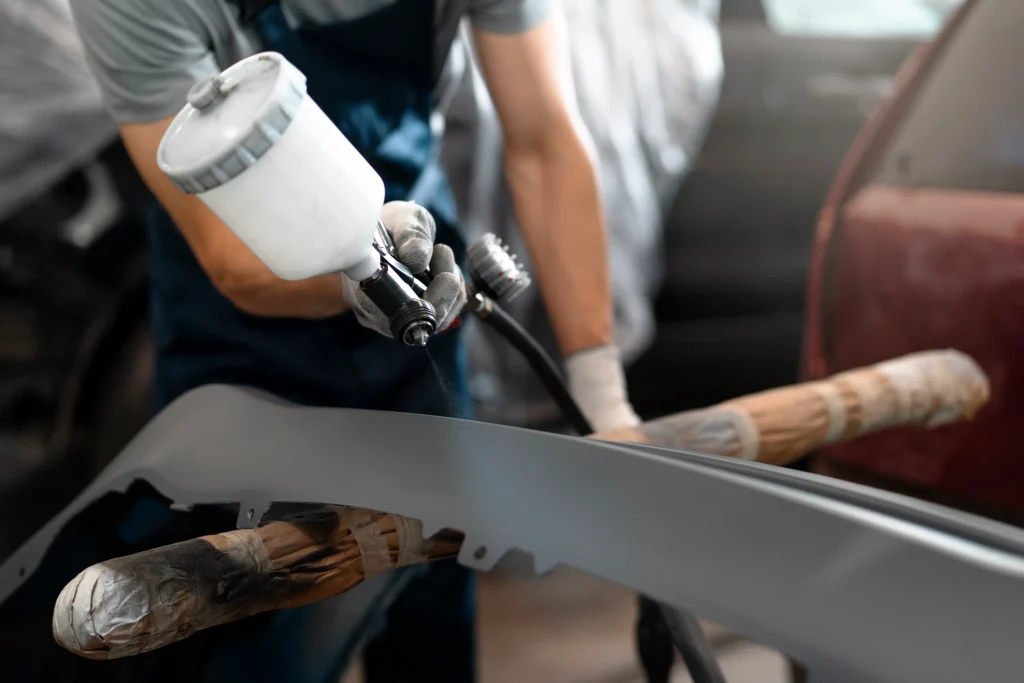
Choosing the right finish for commercial metal canopies and stairs is a decision that affects safety, appearance, maintenance budgets, and the long-term integrity of the structure. By carefully assessing environmental conditions, traffic levels, aesthetic goals, and life-cycle costs, property owners and design teams can select systems that perform reliably for decades. Hot-dip galvanizing, architectural powder coating, high-performance liquid systems, and anodizing each offer distinct advantages; the optimal choice depends on the specific demands of the project.
We encourage clients to involve finishing specialists early in the design process. Early collaboration allows surface preparation, coating selection, and detailing to be coordinated with fabrication and installation, reducing the risk of costly changes later. When the finish is correctly specified, applied, and maintained, commercial metal canopies and stairs deliver both the functional protection and the professional appearance that successful commercial properties require.
If you are planning a new canopy or stair project or evaluating refinishing options for existing structures, we are ready to help. Contact our team to discuss your site conditions, performance requirements, and aesthetic preferences. Together we can identify the finish solution that protects your investment and supports the lasting success of your commercial property.
join our social networks to stay updated with our latest news and events. Don’t miss out on anything and follow our accounts today! Contact us!
For commercial projects involving canopies, stairs, or architectural metalwork in North Carolina, Richards Powdercoat LLC specializes in commercial canopy powder coating in NC — including small stairs and structural components applied to specification.