We have guided hundreds of manufacturers, fabricators, and enthusiasts through successful powder coating projects, and one consistent observation stands out: the difference between a flawless, long-lasting finish and a disappointing result almost always comes down to how well the metal parts are prepared beforehand. Many assume powder coating is forgiving enough that a quick wipe-down suffices. In reality, proper preparation is the foundation that determines whether your coating will deliver decades of protection or fail prematurely.
In this comprehensive guide, we share the proven techniques we use, highlight the most common mistakes that undermine results, and provide practical steps to achieve professional-grade outcomes on your metal parts. Whether you operate a small shop or manage large-scale production, mastering these preparation essentials will elevate your powder coating results and protect your investment for years to come.
Why Surface Preparation Is Critical for Powder Coating Success
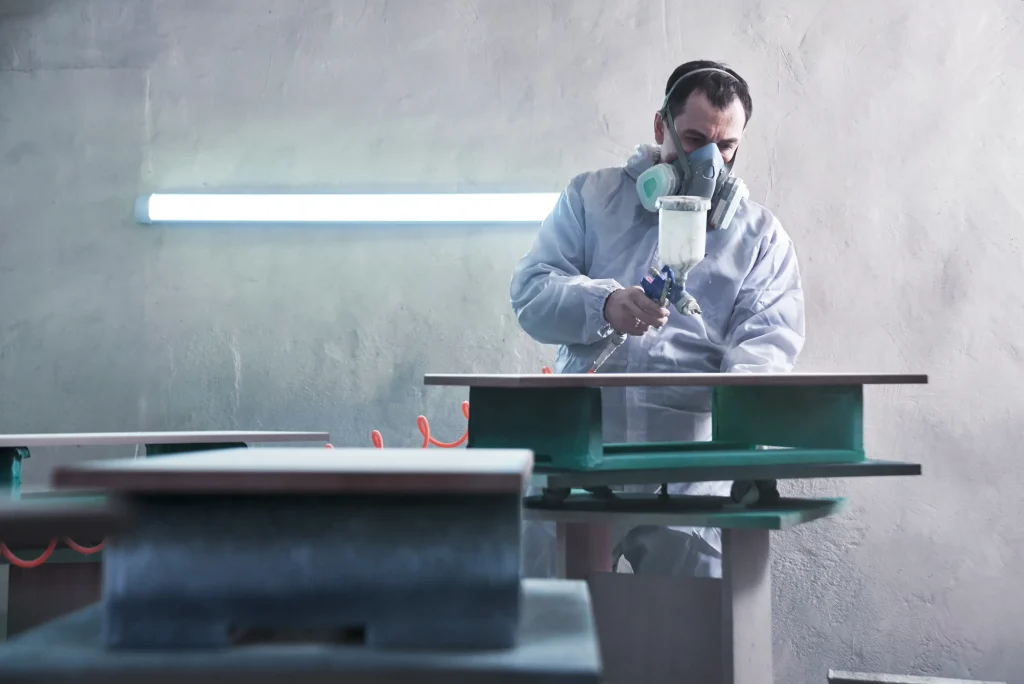
We cannot overstate this: surface preparation accounts for roughly 80% of the final coating’s performance and longevity. Powder coating forms a strong bond during curing, but that bond depends entirely on a clean, profiled, and receptive metal surface. Contaminants like oils, rust, mill scale, or old paint create weak points where moisture or corrosion can infiltrate later.
Unlike liquid paints that sometimes mask minor imperfections, powder coating reveals every flaw. Poor prep leads to fisheyes, poor adhesion, blistering, or premature chipping—issues we see repeatedly when clients cut corners. By investing time and effort upfront, you ensure the electrostatically applied powder adheres uniformly and the cured finish withstands impacts, weather, chemicals, and daily wear.
Proper preparation transforms ordinary metal parts into durable, high-performance components. It enhances corrosion resistance, improves finish uniformity, and maximizes the inherent strengths of powder coating over traditional paints.
The Hidden Costs of Inadequate Preparation
We frequently encounter businesses that underestimate prep costs only to face expensive rework, rejected parts, or field failures later. Skimping here increases material waste, labor, and downtime. In contrast, thorough preparation reduces overall project costs by extending coating life and minimizing maintenance. For anyone working with metal parts, this step separates amateur results from professional excellence.
Step-by-Step Guide to Preparing Metal Parts for Powder Coating
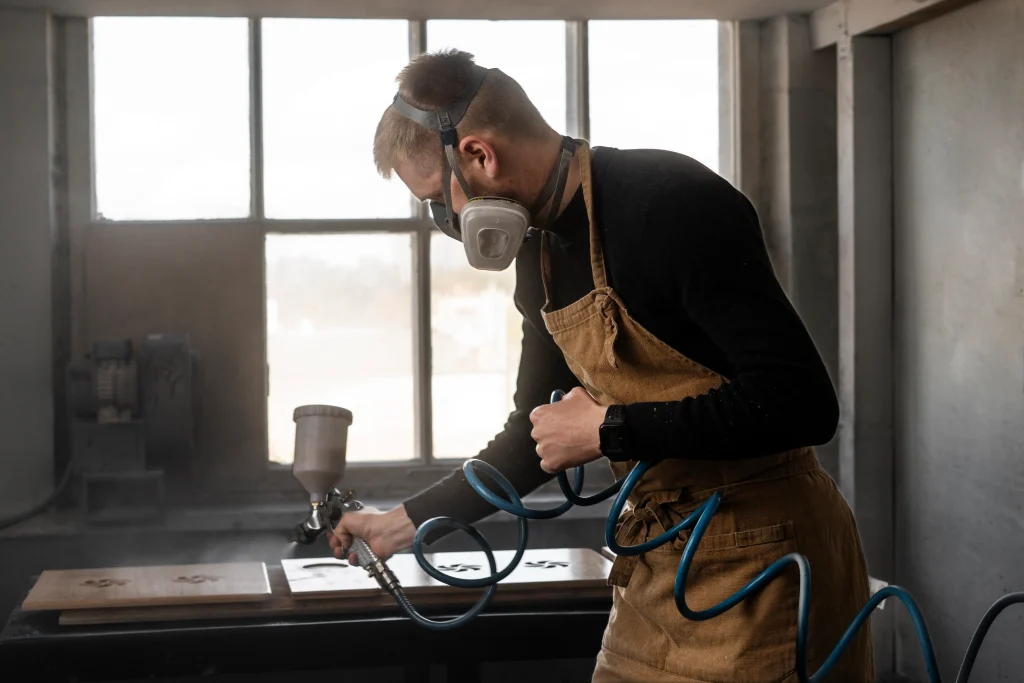
We approach preparation systematically, tailoring each stage to the specific condition of the parts and their intended use. Here is the proven process that delivers consistent success.
Initial Inspection and Assessment
Begin by thoroughly examining every piece. Look for heavy rust, welds with slag, deep pits, or residual manufacturing oils. Identify substrates—steel, aluminum, galvanized, or others—as each may require slightly different handling. This assessment helps us select the right methods and prevents surprises downstream.
Group similar parts together to streamline the workflow. For high-volume production, we recommend documenting conditions to maintain repeatability across batches.
Thorough Cleaning and Degreasing
This is where most people go wrong. A simple solvent wipe rarely removes embedded contaminants. We use a combination of alkaline cleaners, emulsifiers, or vapor degreasing for industrial-scale work. For smaller operations, hot water pressure washing with appropriate detergents works well.
The goal is complete removal of oils, greases, and particulates. Any residue interferes with electrostatic attraction and curing. We always rinse thoroughly with clean water to eliminate cleaner residues that could cause adhesion problems. Skipping this step or using incompatible chemicals is one of the top reasons for coating defects.
Mechanical and Chemical Profiling
Creating the ideal surface profile is essential. Sandblasting or media blasting removes rust, scale, and old coatings while etching the metal for mechanical bonding. We select media carefully—aluminum oxide or garnet for aggressive cleaning, glass bead for smoother finishes on aluminum. Aim for a uniform profile without over-blasting, which can embed contaminants or warp thin parts.
For chemical alternatives or enhancements, iron phosphate or zinc phosphate conversion coatings create a micro-crystalline layer that boosts corrosion resistance and powder adhesion. These pretreatments are particularly valuable for outdoor or harsh-environment metal parts. We often combine blasting with phosphating for optimal results.
Rinsing, Drying, and Final Inspection
After pretreatment, thorough rinsing removes all chemical traces. Deionized or reverse-osmosis water prevents mineral spotting. Drying must be complete—moisture trapped in pores or seams causes defects during curing. We use forced air, ovens, or infrared systems depending on part size and volume.
Perform a final visual and tactile inspection under good lighting. The surface should feel uniformly textured and look clean. A simple water-break test (where water sheets evenly rather than beading) confirms cleanliness.
Common Mistakes That Ruin Powder Coating Results on Metal Parts
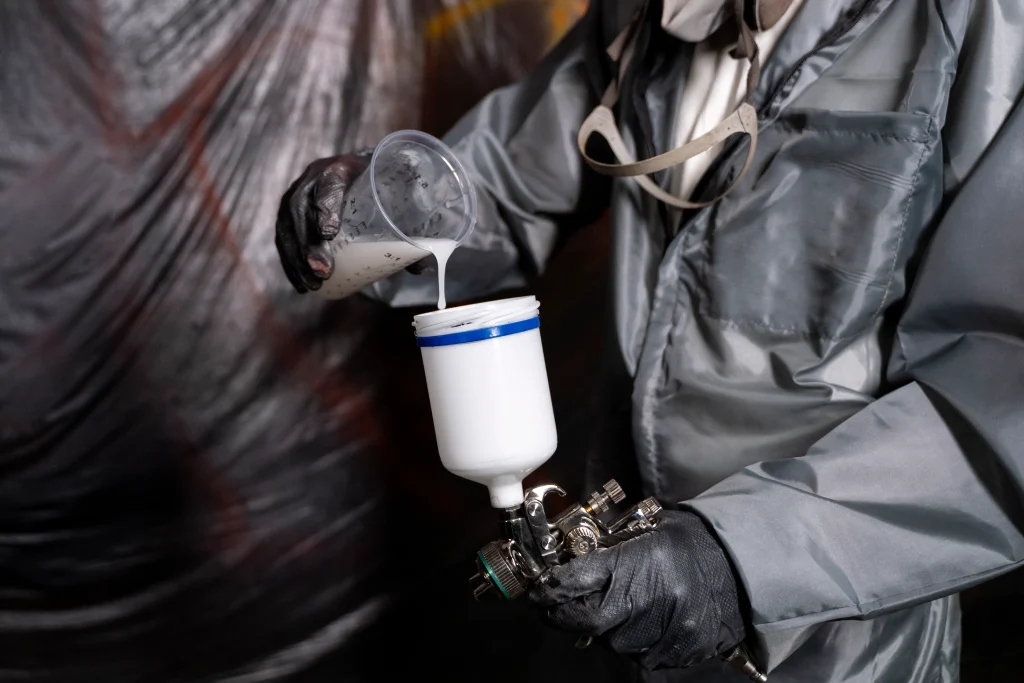
We see these errors frequently, and avoiding them can dramatically improve outcomes.
Inadequate degreasing tops the list. People rely on quick wipes or assume factory oils will burn off in the oven. They do not—resulting in fisheyes or craters. Always use proper cleaners matched to the contaminant type.
Inconsistent blasting is another pitfall. Uneven profiles lead to patchy adhesion. Train operators or invest in automated systems for repeatability.
Skipping or rushing pretreatment on corrosion-prone metals invites long-term failure. Bare blasted steel may look clean but lacks the chemical bonding layer that phosphate provides.
Contamination between steps—touching parts with bare hands, using dirty gloves, or exposing cleaned parts to shop dust—reintroduces oils instantly. We emphasize clean handling protocols and dedicated areas for prepped parts.
Ignoring substrate specifics causes issues too. Aluminum requires gentler media and often chromate or non-chromate conversion coatings, while galvanized steel benefits from careful etching to avoid zinc issues.
By learning from these common pitfalls, you position your metal parts for superior powder coating performance.
Advanced Tips for Demanding Applications
For high-end or extreme-duty parts, we incorporate multi-stage wash systems, dry-off ovens, and quality testing like cross-hatch adhesion tests or salt spray validation. Monitoring temperature and humidity in the prep area prevents flash rusting on steel. These extras separate good results from exceptional ones that outlast expectations.
Equipment and Safety Considerations for Effective Prep
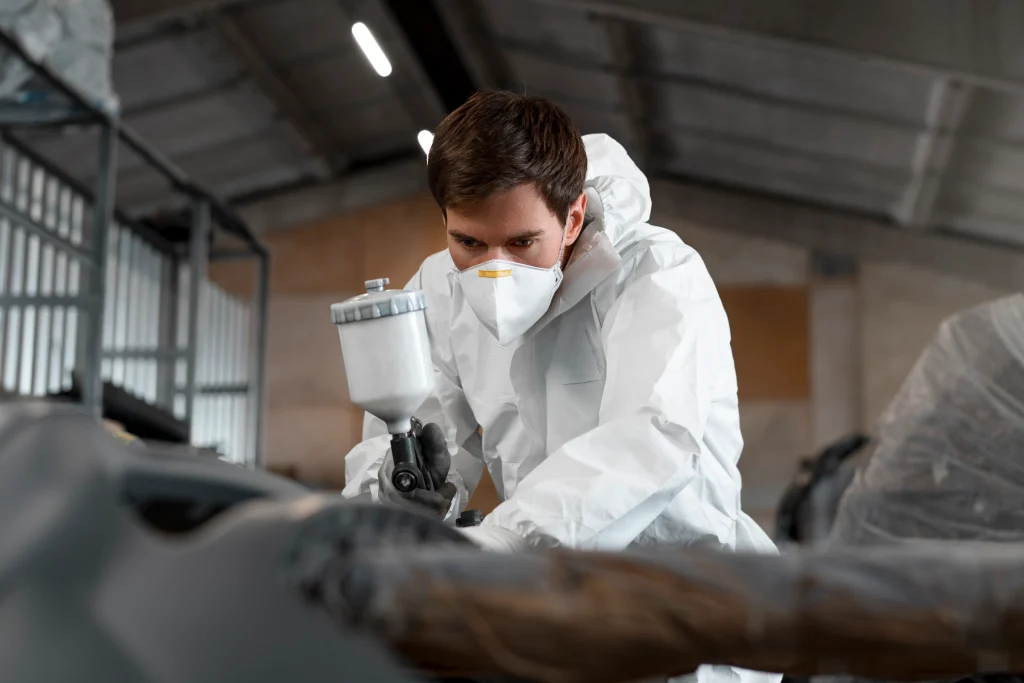
Successful preparation requires the right tools. Blast cabinets, spray washers, and pretreatment lines scale with production volume. We advise starting with quality equipment that matches your throughput while prioritizing dust collection and ventilation for safety.
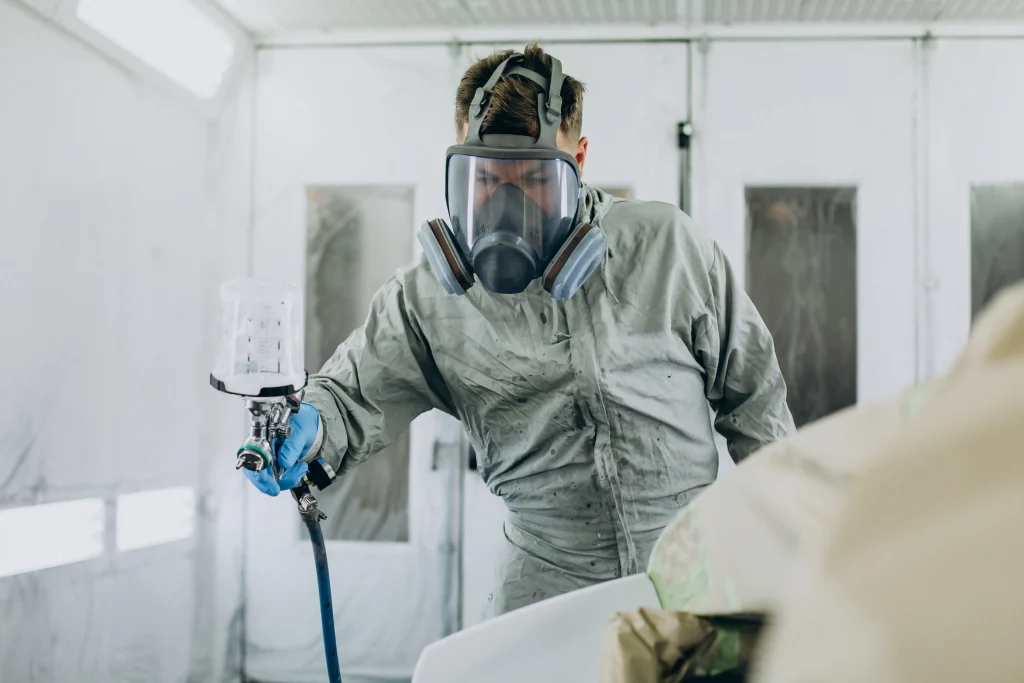
Personal protective equipment is non-negotiable—respirators, gloves, eye protection, and hearing safeguards during blasting. Proper waste disposal for spent media and chemicals ensures compliance with environmental regulations.
Investing in training pays dividends. Well-trained teams produce consistent results and troubleshoot issues quickly, saving time and materials on every batch of metal parts.
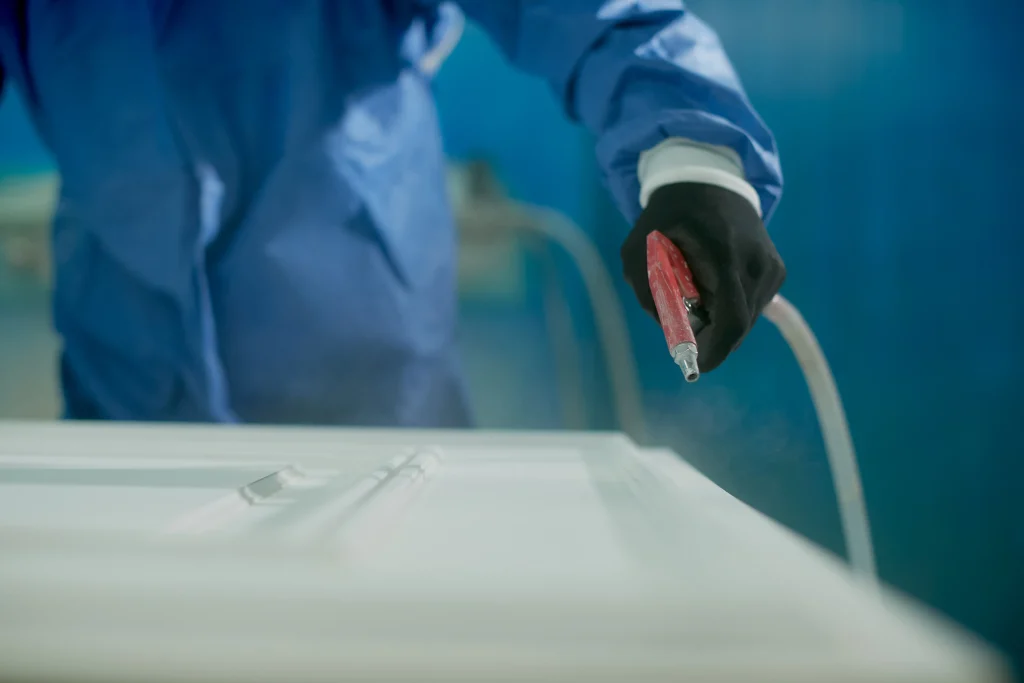
Exceptional Powder Coating Performance
When preparation is done correctly, the rewards are clear. Powder adheres evenly, cures into a tough, flexible film, and delivers outstanding resistance to chipping, scratching, fading, and corrosion. Your metal parts gain professional aesthetics and extended service life, whether used indoors or in harsh outdoor conditions.
This preparation discipline also improves efficiency—fewer rejects, faster throughput, and happier end customers. For businesses, it translates into stronger brand reputation and better margins.
When to Consider Professional Powder Coating Services
While DIY or in-house prep is feasible for smaller operations, complex projects or high volumes often benefit from partnering with experienced coaters. We provide end-to-end services, from expert preparation through final curing, ensuring every detail is optimized for longevity. If your team lacks specialized equipment or consistent results, outsourcing the process can be a smart, cost-effective move.
Frequently Asked Questions
How important is sandblasting for prepping metal parts before powder coating? Extremely important for most applications. Blasting removes contaminants and creates the ideal surface profile for adhesion. In some cases, chemical cleaning and phosphating can substitute, but mechanical profiling usually yields the most durable results.
Can I powder coat over old paint or rusty metal parts? Generally no. Old coatings and rust must be completely removed for proper adhesion. Attempting to coat over them leads to failure. Thorough stripping and cleaning are essential steps we always recommend.
What is the best pretreatment for outdoor metal parts? Zinc or iron phosphate conversion coating after cleaning and blasting provides excellent corrosion resistance. For aluminum, appropriate conversion coatings are key. We tailor pretreatments based on exposure conditions to maximize longevity.
How long can prepped metal parts sit before coating? Minimize wait time. Ideally, apply powder the same day to prevent flash rust or recontamination. If storage is necessary, use controlled, clean conditions and re-inspect before proceeding.
Conclusion
We have covered the essential principles, detailed steps, and critical mistakes to avoid when preparing metal parts for powder coating. Mastering this stage is the single most impactful way to ensure durable, attractive, and long-lasting finishes that outperform expectations.
By following these guidelines, avoiding shortcuts, and investing in proper techniques and equipment, you will achieve results that protect your metal components for years while enhancing their appearance and value. Whether handling small custom projects or full production runs, prioritize preparation and reap the rewards of professional-quality powder coating.
We’d love for you to join our social networks to stay updated with our latest news and events. Don’t miss out on anything and follow our accounts today! Contact us!