At our shop, we have seen countless motorcycle enthusiasts transform their rides with powder coating, and it never fails to impress. Whether you are restoring a classic bike, customizing a modern cruiser, or simply protecting your daily rider from the punishing realities of the open road, powder coating your motorcycle frame offers a level of durability and finish quality that stands apart. In this comprehensive guide, we explore why powder coating has become the preferred choice for riders who demand longevity without compromising on style. We will walk you through the process, benefits, comparisons, and practical considerations so you can make an informed decision that elevates your motorcycle’s performance and appearance for years to come.
We understand the challenges riders face: constant exposure to road debris, weather extremes, chemicals from fuel and brakes, and the relentless vibration of the engine. Traditional paints often fall short under these conditions, leading to chips, fading, and eventual rust. Powder coating addresses these issues head-on, delivering a robust protective layer that not only looks exceptional but also withstands the test of time and mileage. Let’s dive deeper into what makes this finishing technique such a game-changer.
Understanding Powder Coating and Its Advantages for Motorcycles
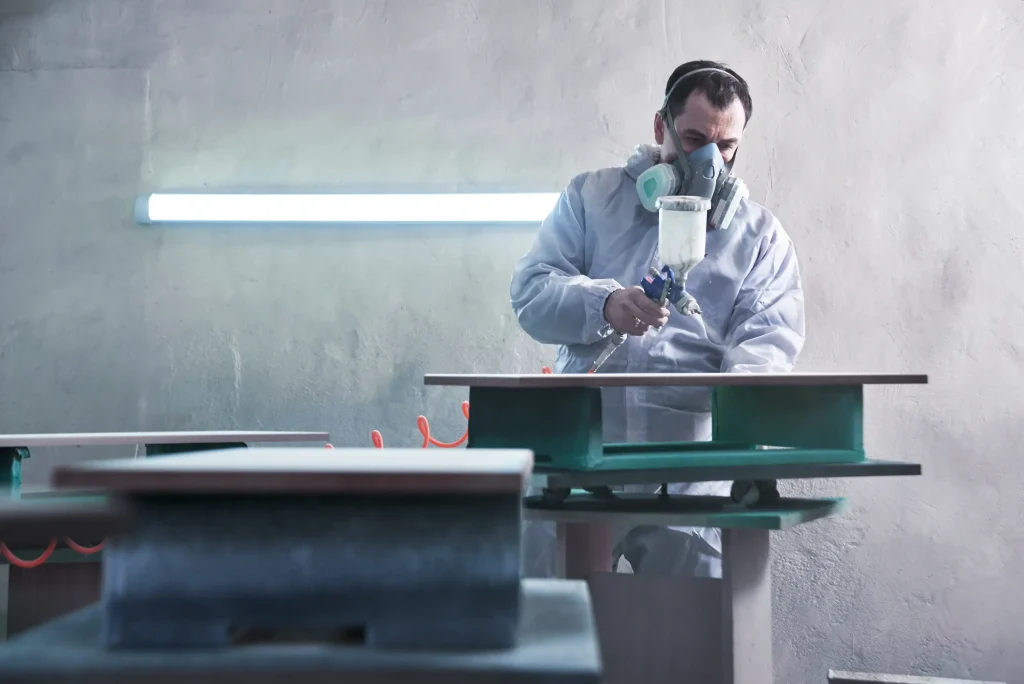
Powder coating is a dry finishing process that involves applying a finely ground powder—typically a mixture of pigments and resin—electrostatically to a metal surface. Once applied, the coated part is cured in an oven at high temperatures, usually around 400°F, causing the powder to melt, flow, and form a uniform, hard skin. Unlike liquid paints that rely on solvents which evaporate during drying, powder coating creates a thick, seamless barrier with superior adhesion.
We often recommend powder coating specifically for motorcycle frames because these structural components endure the harshest treatment. The frame serves as the backbone of your bike, supporting the engine, suspension, and rider while navigating everything from highway speeds to off-road trails. A well-applied powder coat protects against stone chips, moisture intrusion, road salt in winter climates, and corrosive fluids that inevitably splash during rides. Riders who choose this method report frames that maintain their showroom-like appearance long after conventional paint jobs have begun to degrade.
One of the standout features we highlight to clients is the environmental benefit. Powder coating emits minimal volatile organic compounds (VOCs) compared to solvent-based paints, making it a more sustainable option. Additionally, the process achieves near-perfect coverage even on complex geometries like tube intersections, welds, and internal surfaces—areas where spray guns often struggle. This uniform application reduces weak spots and enhances overall structural integrity.
In our experience working with enthusiasts across different riding styles, powder-coated frames on adventure bikes hold up remarkably well to gravel and mud, while those on sport bikes resist the heat and vibration from high-revving engines. The finish options are virtually limitless, ranging from matte blacks and gloss finishes to custom metallics, candies, and even textured effects that add unique personality to your build.
The Powder Coating Process
We believe understanding the process helps riders appreciate the craftsmanship involved and set realistic expectations. Here’s how we typically approach powder coating a motorcycle frame to ensure optimal results.
Surface Preparation: The Foundation of Longevity
Proper preparation is non-negotiable. We start by completely disassembling the motorcycle, removing the engine, suspension components, wiring, bearings, and any other attachments. Heat curing at high temperatures would damage these parts, so full disassembly is essential.
Next comes thorough cleaning and media blasting. Old paint, rust, grease, and contaminants must be stripped down to bare metal. We use techniques like sandblasting or glass bead blasting depending on the frame’s condition to create an ideal surface profile for adhesion. A phosphate pretreatment often follows, providing an additional layer of corrosion resistance by chemically bonding to the metal. This step is critical—skipping or rushing preparation is one of the leading causes of premature coating failure.
Electrostatic Application and Curing
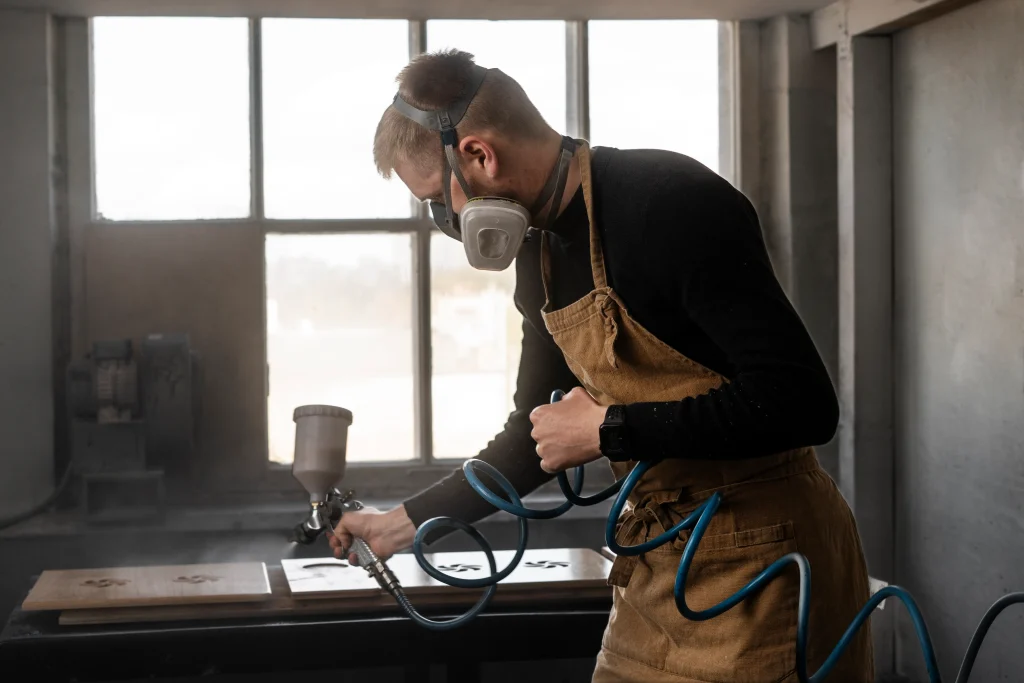
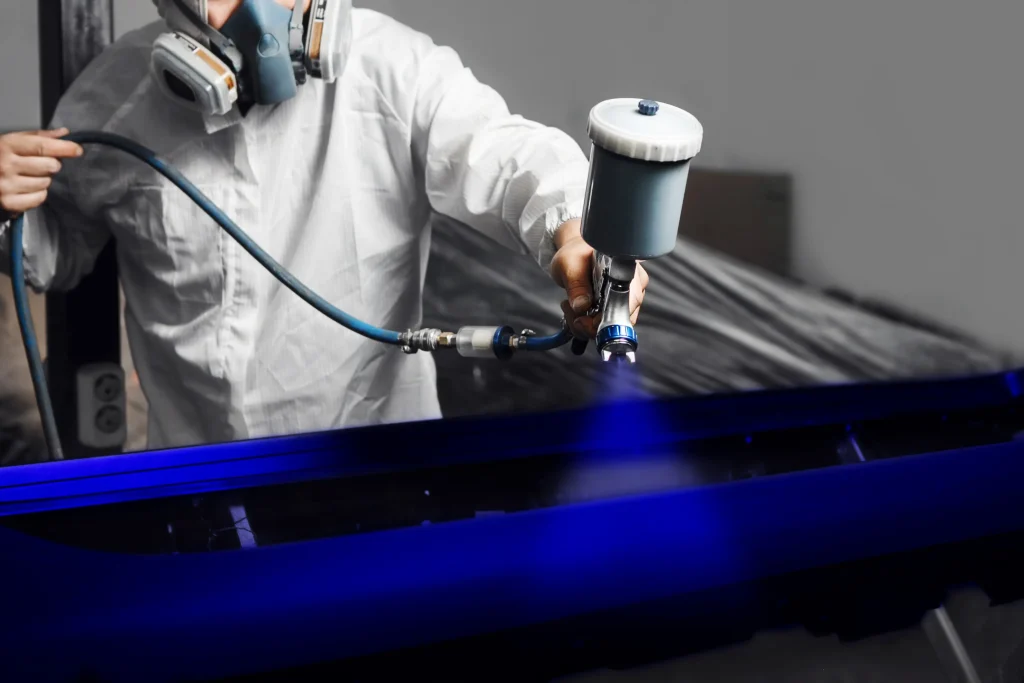
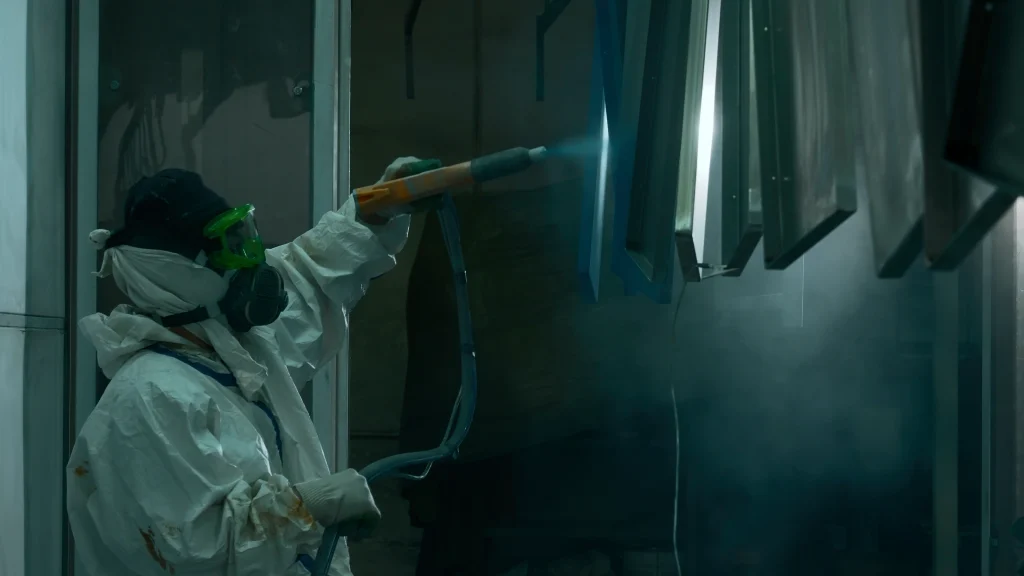
Once prepped, the frame is grounded, and the powder is sprayed using specialized electrostatic guns. The charged powder particles are attracted to the metal, wrapping around even recessed areas thanks to the Faraday effect. We inspect for complete coverage before moving to the oven.
Curing follows in a controlled industrial oven. The heat melts the powder into a liquid state that flows smoothly before cross-linking into a durable polymer. Typical cure times range from 15 to 30 minutes at temperature, depending on the powder formulation and frame thickness. After cooling, the result is a tough, attractive finish that is ready for reassembly.
We always emphasize quality control at every stage. Multiple inspections ensure no thin spots or defects. For high-end builds, we may apply multi-layer systems, such as a zinc-rich primer base followed by color and a clear topcoat for enhanced UV and chemical protection.
Why Powder Coating Outperforms Traditional Paint for Motorcycle Frames
When comparing options, we consistently see powder coating surpass traditional liquid paints in real-world durability. Here’s a detailed breakdown:
- Chip and Impact Resistance: Powder coatings form a thicker film—often 2-4 times thicker than standard paint—that absorbs impacts from road debris far better. A rock flicked up at highway speeds is less likely to cause chipping or flaking.
- Corrosion Protection: The seamless, pinhole-free barrier blocks moisture and salts effectively. Frames in coastal or snowy regions particularly benefit, with many lasting 10-20 years or more with minimal maintenance.
- Chemical Resistance: Fuel spills, brake fluid, chain lube, and cleaning solvents have little effect. Traditional paints can soften or discolor under repeated exposure.
- Color Retention and UV Stability: Quality powders resist fading exceptionally well, maintaining vibrant hues even after years of sun exposure.
- Coverage and Efficiency: Electrostatic application ensures even interiors of frame tubes and hard-to-reach spots receive protection, reducing hidden rust risks.
In side-by-side tests and customer feedback we’ve gathered, powder-coated frames require far fewer touch-ups. While initial costs may be higher due to preparation and specialized equipment, the long-term savings in maintenance and repaint cycles make it a smart investment. For riders who clock serious miles, this translates to peace of mind and higher resale value.
Additional Benefits Beyond Durability
Powder coating also contributes to a cleaner, more professional appearance. The finish can be tuned for gloss levels from high-shine to satin or matte, complementing any aesthetic. It adds minimal weight while enhancing the bike’s structural rigidity feel. Environmentally conscious riders appreciate the reduced waste and emissions.
We have helped many clients customize their builds with two-tone effects, matching factory colors on brands like Harley-Davidson or Honda, or creating one-of-a-kind schemes that turn heads at rallies and shows.
Choosing the Right Powder Coating Service or Considering DIY
Selecting a reputable provider is key to achieving professional results. Look for shops with experience in motorcycle frames, proper large-scale ovens, and strong warranties—often 5-15 years against corrosion depending on conditions. Ask about their preparation methods, powder brands (such as epoxy, polyester, or hybrids), and examples of previous work.
DIY powder coating is possible but demanding. You’ll need a suitable oven large enough for the frame, a powder gun, compressor, and safety equipment. Surface prep remains the biggest hurdle for home setups. While rewarding for mechanically inclined riders, we generally recommend professional services for frames to avoid common pitfalls like uneven curing or poor adhesion.
Costs typically range from a few hundred dollars for a basic frame in standard color to more for custom or multi-part jobs. Factor in disassembly, blasting, and reassembly time when budgeting. The return on investment comes through durability and the pride of owning a bike that looks and performs better over time.
Maintenance is straightforward, which is another reason we love recommending this finish. Regular washing with mild soap and water keeps it pristine. Avoid harsh abrasives, and address any rare chips promptly with touch-up solutions designed for powder coats or professional recoating.
Frequently Asked Questions
How long does powder coating last on a motorcycle frame? Under normal riding conditions, a quality powder-coated frame can last 10-20 years or more with basic care. Factors like riding environment, maintenance, and initial prep quality influence longevity, but it significantly outlasts traditional paint jobs.
Is powder coating better than paint for my motorcycle? For frames and structural parts exposed to the elements, yes—we believe it offers superior durability, coverage, and resistance to chips, chemicals, and corrosion. Paint may suit bodywork where easy color matching or repairs are prioritized, but powder excels where toughness matters most.
Can I powder coat other motorcycle parts? Absolutely. Swingarms, wheels, triple clamps, engine covers, and more respond excellently to powder coating. Many riders opt for a full chassis treatment for consistent protection and aesthetics.
Conclusion
Powder coating your motorcycle frame is more than a cosmetic upgrade—it is a commitment to protecting the heart of your machine against the rigors of the road. We have witnessed how this process breathes new life into older bikes while equipping new builds for long-term adventures. The combination of unmatched durability, versatile styling options, and low maintenance makes it an outstanding choice for discerning riders.
We’d love for you to join our social networks to stay updated with our latest news and events. Don’t miss out on anything and follow our accounts today! Contact us!