When it comes to protecting and enhancing metal parts, powder coating has emerged as the superior choice for countless industries and applications. Unlike traditional liquid paints that can fade, chip, or peel under stress, powder coating creates a resilient, long-lasting bond that delivers unmatched performance. In this comprehensive guide, we will explore exactly what powder coating is, how it works, and the compelling reasons it consistently outperforms regular paint on metal surfaces. Whether you are sourcing parts for automotive, architectural, industrial, or consumer products, understanding these differences will help you make informed decisions that save time and money in the long run.
Understanding Powder Coating: The Fundamentals
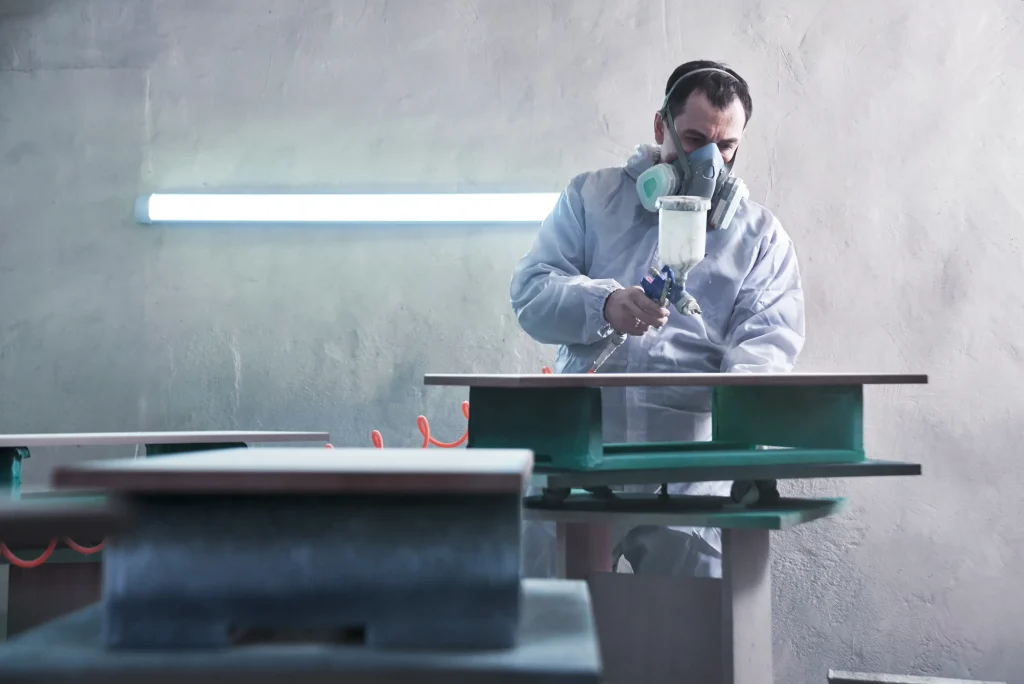
We often hear from clients who initially view powder coating as simply a thicker version of paint. In reality, it represents an entirely different finishing technology. Powder coating is a dry finishing process that applies a fine powder composed of pigments, resins, and other specialized additives to metal surfaces. This powder is electrostatically charged and sprayed onto grounded metal parts, where it adheres evenly before being heat-cured into a hard, continuous protective layer.
The result is a finish that fuses molecularly with the substrate rather than merely sitting on top of it. This chemical crosslinking during curing creates a robust shell that resists the everyday challenges metal parts face—moisture, UV exposure, chemicals, abrasion, and impacts. Traditional liquid paints, by contrast, rely on solvents that evaporate during drying, leaving behind a film that is more prone to inconsistencies like runs, drips, or thin spots.
We have seen this difference play out repeatedly across projects. Metal parts finished with powder coating maintain their appearance and structural integrity far longer, reducing the need for frequent maintenance or replacement. This makes powder coating not just a protective measure but a smart investment in durability and aesthetics.
Key Components That Make Powder Coating Unique
The powder itself typically includes polyester, epoxy, or hybrid resins blended with pigments for color and performance additives for enhanced properties. These formulations allow for a wide range of textures—from smooth high-gloss to matte, wrinkled, or metallic effects—while maintaining consistent thickness across complex geometries. Because there are no solvents, the process produces minimal volatile organic compounds (VOCs), aligning with modern environmental standards and workplace safety requirements.
The Powder Coating Process
We take pride in walking our partners through every stage so they understand why the outcome is so reliable. The process involves careful preparation, precise application, and controlled curing—each step contributing to the superior longevity of the finish.
Surface Preparation: The Foundation of Lasting Protection
Proper preparation is non-negotiable. We begin by thoroughly cleaning metal parts to remove oils, dirt, rust, and mill scale. Techniques such as sandblasting, chemical pretreatment (like iron or zinc phosphate), or degreasing ensure the surface is pristine. This step alone accounts for much of the final durability, as it promotes optimal adhesion and prevents under-film corrosion.
Skipping or rushing preparation with regular paint often leads to premature failure. With powder coating, the clean, profiled surface allows the powder to bond deeply, creating a barrier that seals out moisture and contaminants effectively.
Electrostatic Application: Even Coverage on Complex Metal Parts
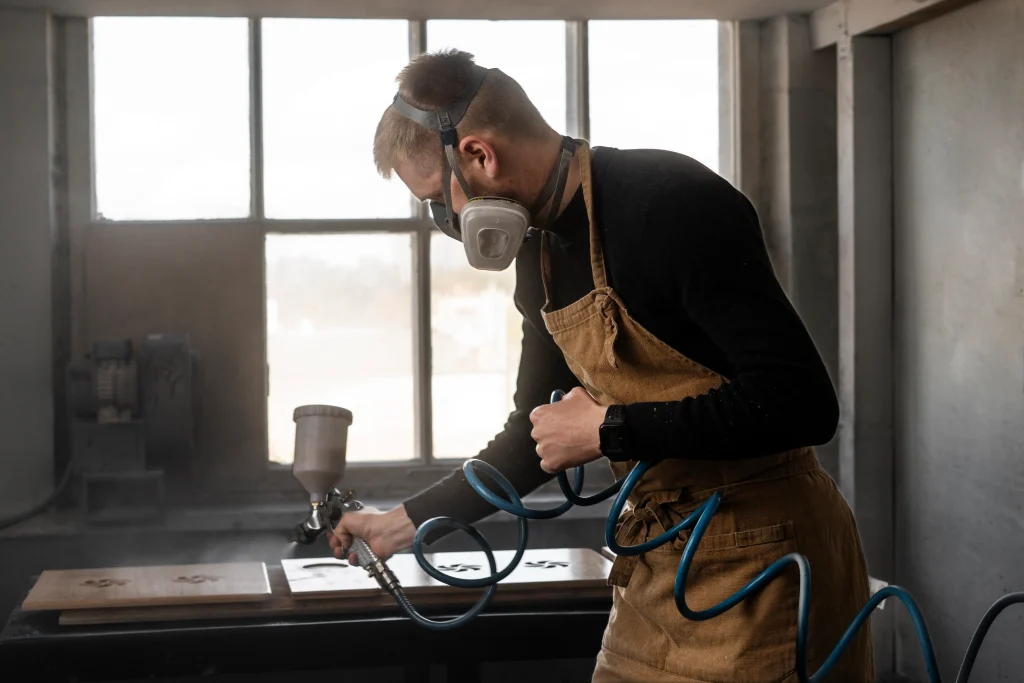
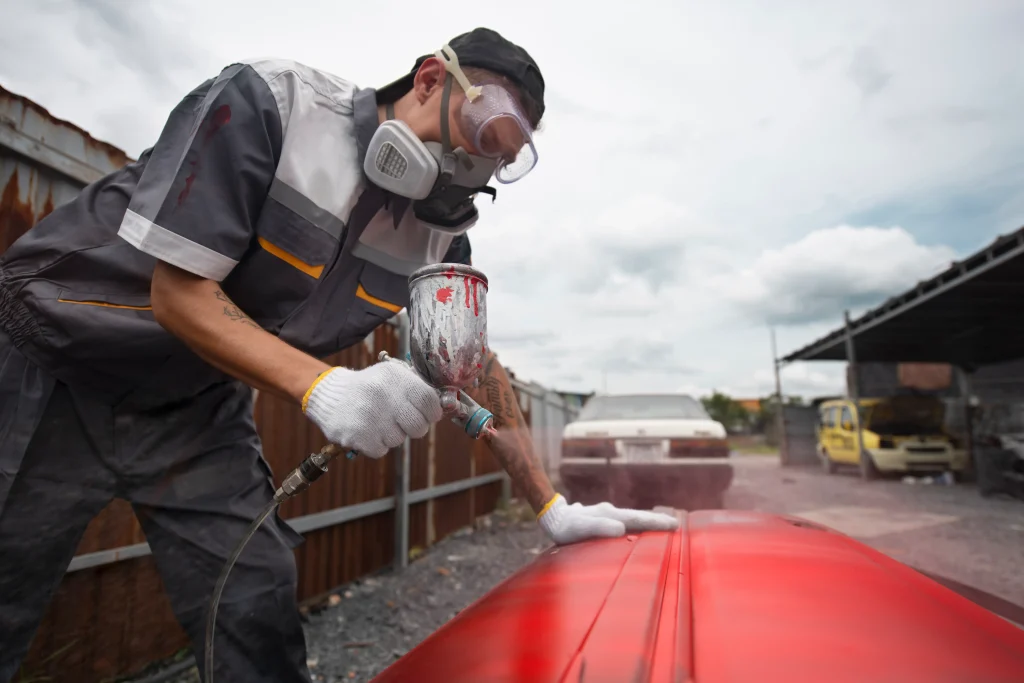
Next, we use specialized spray guns to apply the charged powder. The electrostatic charge causes the powder particles to wrap around the metal part, reaching into recesses, edges, and corners that liquid paint sprays might miss. This “Faraday cage” effect is particularly beneficial for intricate metal parts like brackets, frames, or assemblies. Overspray can be collected and reused, achieving material efficiency rates as high as 95-98%, far surpassing traditional painting methods.
The result is a uniform coating thickness—typically 2 to 6 mils in a single pass—without the sags or uneven layers common in brushed or sprayed liquid paints.
Heat Curing: Creating the Durable Bond
After application, the coated parts enter a curing oven heated to approximately 350–400°F (177–204°C) for 10–20 minutes. During this phase, the powder melts, flows, and undergoes a chemical reaction that cross-links the polymers into a tough, solid film. This thermoset process is what gives powder coating its exceptional hardness and flexibility, allowing it to expand and contract with the metal without cracking.
Regular paint dries through solvent evaporation or air exposure, which can leave microscopic weaknesses. The heat-cured powder, however, forms an integrated protective skin that withstands extreme conditions.
Why Powder Coating Significantly Outlasts Regular Paint
The core question we address for every client is longevity. Powder coating routinely delivers 15–20+ years of service life on well-prepared metal parts in outdoor or demanding environments, compared to 5–10 years—or less—for conventional paints.
Superior chip and scratch resistance stands out as a primary advantage. The thicker, cross-linked layer absorbs impacts better and resists gouging. Even if minor damage occurs, corrosion does not spread as rapidly underneath as it does with paint films. UV resistance is another standout: powder coatings, especially polyester-based ones, maintain color and gloss with minimal chalking or fading over decades of sun exposure.
Corrosion protection is dramatically enhanced. The seamless barrier blocks moisture, salt, and chemicals more effectively than multi-coat paint systems, which can fail at thin spots or edges. We regularly recommend powder coating for outdoor metal furniture, automotive components, fencing, architectural elements, and industrial machinery precisely because of this resilience.
Environmental and Economic Advantages
Beyond performance, we emphasize sustainability. Powder coating generates near-zero VOCs and hazardous waste, with reclaimable overspray reducing material costs and environmental impact. Production efficiency improves too—faster throughput, less rework, and lower long-term maintenance translate into significant savings. While initial setup for powder coating may involve investment in equipment, the total cost of ownership is often lower due to durability and efficiency.
In transactional terms, choosing powder coating means fewer recoats, reduced downtime, and products that retain higher resale or aesthetic value. For manufacturers and fabricators of metal parts, this directly impacts profitability and customer satisfaction.
Diverse Applications Across Industries
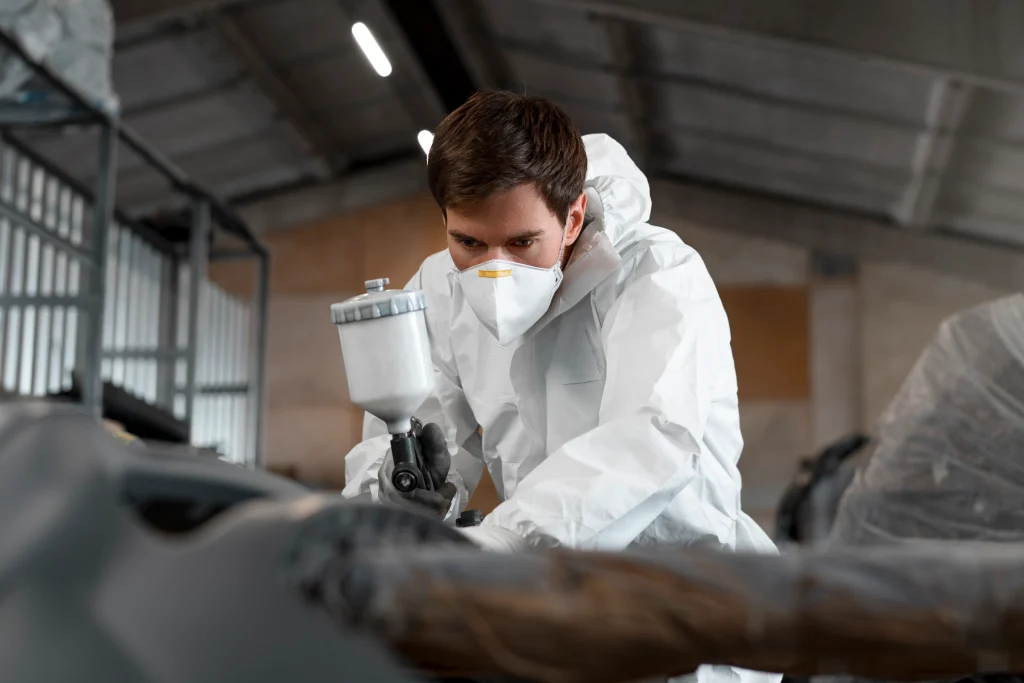
Powder coating excels wherever metal parts require robust protection and attractive finishes. In the automotive sector, wheels, frames, and underbody components benefit from its chip resistance against road debris. Architectural projects use it on railings, facades, and structural elements for weatherproof longevity. Industrial equipment, agricultural machinery, and consumer goods like appliances or gym equipment all gain from the uniform, professional appearance and extended service life.
We have helped clients in these fields transition successfully, often customizing formulations for specific needs such as high-temperature resistance, antimicrobial properties, or textured grips.
Comparing Powder Coating to Other Metal Finishing Options
While alternatives like electroplating or wet painting have niches, powder coating strikes the ideal balance for most metal parts. It offers better edge coverage than many liquids and greater versatility than some plating methods, all while being more eco-friendly and cost-effective at scale.
Addressing Common Concerns and Considerations
Some wonder about repairability. While powder coating is harder to touch up than paint (often requiring reprocessing for best results), its initial durability means repairs are rarely needed. Color options are vast, with hundreds of standard shades and custom matching available. Size limitations depend on oven capacity, but many facilities handle large components effectively.
We advise evaluating your specific metal parts based on exposure, usage, and budget. In nearly all cases involving durability on metal, powder coating emerges as the clear winner.
Frequently Asked Questions
What is the main difference between powder coating and regular paint on metal parts? Powder coating is a dry, electrostatically applied and heat-cured process that creates a thicker, chemically bonded finish. Regular paint uses liquid solvents and typically offers thinner coverage with lower resistance to chipping, fading, and corrosion. Powder coating lasts significantly longer under real-world conditions.
How long does powder coating typically last compared to paint? With proper application, powder-coated metal parts can endure 15–20 years or more outdoors, often outlasting paint by 2–3 times or greater. Factors like pretreatment and environment play key roles, but the cross-linked structure provides superior ongoing protection.
Is powder coating environmentally better than traditional painting? Yes. It emits virtually no VOCs, allows overspray reclamation, and reduces hazardous waste. This makes it a responsible choice for businesses aiming to meet regulatory standards while minimizing their footprint.
Can any metal part be powder coated? Most conductive metals that withstand curing temperatures (steel, aluminum, etc.) are excellent candidates. We evaluate each project to ensure compatibility and optimal results.
Conclusion
We have explored the science, process, and proven benefits that position powder coating as the premier solution for protecting and beautifying metal parts. Its ability to outlast regular paint stems from deeper bonding, thicker application, and inherent resistance to the elements and wear. By choosing powder coating, you not only enhance product performance and appearance but also achieve better long-term value, sustainability, and peace of mind.
We’d love for you to join our social networks to stay updated with our latest news and events. Don’t miss out on anything and follow our accounts today! Contact us!