When it comes to protecting a commercial or industrial property, the fence you choose says more about your business than you might think. It’s the first thing a visiting client, a delivery driver, or a potential investor sees before they even reach your front door. That’s why, at Richards Powder Coat, we believe fencing shouldn’t be an afterthought — it should be a deliberate extension of your site’s security strategy and its visual identity.
Custom architectural aluminum fencing has become the go-to solution for manufacturers, fabricators, and construction firms across the region, and for good reason. Unlike traditional chain-link or wood options, aluminum fencing offers a rare combination: it’s lightweight yet structurally sound, resistant to the elements, and endlessly customizable in form and finish. In this article, we’ll walk through why aluminum has become the industrial standard, how the finishing process determines long-term performance, and what to consider before specifying a fencing system for your next project.
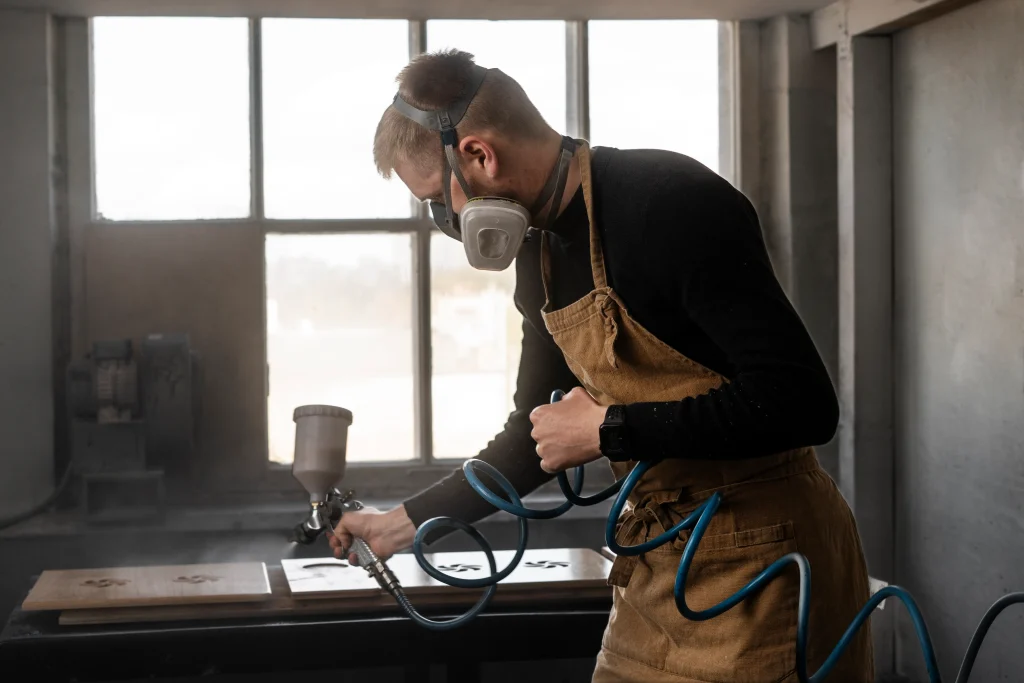
Why Aluminum Is the Industrial Standard for Modern Fencing
Steel has long been the default material for perimeter security, but aluminum has quietly overtaken it as the preferred choice for facilities that need both protection and presentation. The reasons are practical, not just aesthetic.
Aluminum doesn’t rust. That single fact eliminates one of the most persistent maintenance headaches facility managers deal with — especially in coastal or high-humidity environments where ferrous metals corrode within a few short years. Beyond corrosion resistance, aluminum’s strength-to-weight ratio makes it far easier to fabricate into intricate architectural patterns without compromising structural integrity. A design team can create tall, imposing security panels or delicate decorative screening from the same base material, simply by adjusting the gauge and profile.
Strength Without the Weight Penalty
One of the most underappreciated advantages of aluminum fencing is how it behaves under real-world industrial conditions. Because it weighs significantly less than steel, aluminum panels place less structural demand on posts, footings, and gate hardware. This translates into lower installation costs, simpler engineering requirements, and gates that swing smoothly for years rather than sagging under their own weight — a common failure point in heavier steel systems.
A Material Built for Customization
Architectural fencing is, by definition, meant to be seen. Aluminum’s malleability allows fabricators to produce anything from clean, minimalist vertical picket designs to elaborate laser-cut panels that reflect a company’s branding or the character of a historic district. It’s a material that adapts to design intent rather than limiting it.
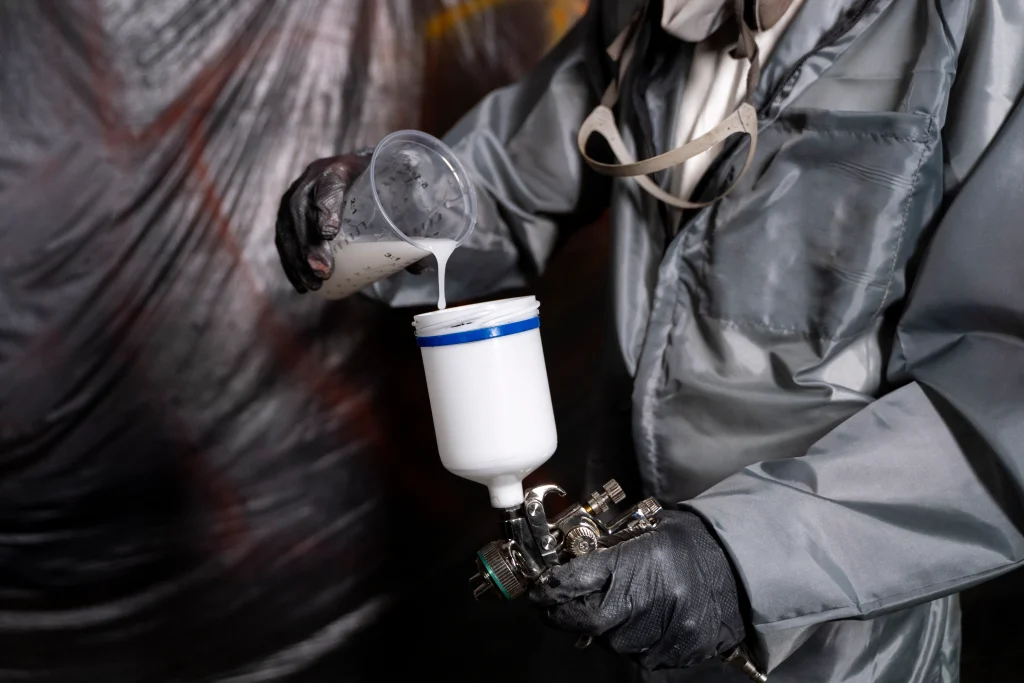
The Role of Powder Coating in Fence Longevity
Here’s the part many property owners overlook: the metal itself is only half the equation. The finish is what actually determines how long your fence performs and how good it continues to look. Raw or anodized aluminum can still oxidize, chalk, or fade under prolonged UV exposure, particularly in industrial settings where equipment, vehicles, and foot traffic put fencing through daily wear.
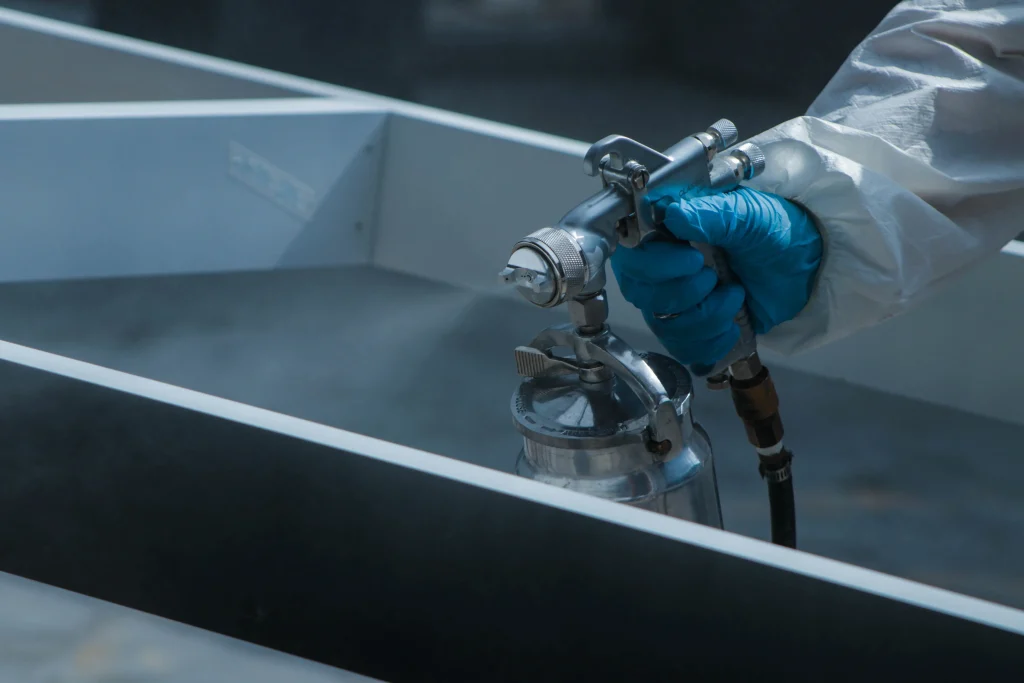
This is where a professional powder coating finish makes the difference between a fence that looks new after a decade and one that looks tired after two years. Powder coating creates a hard, uniform shell that bonds electrostatically to the aluminum surface, resisting chips, scratches, and fading far more effectively than liquid paint. If you’re weighing your finishing options, our breakdown of powder coating’s contribution to corrosion protection and abrasion resistance is a useful place to start — you can explore that comparison in our guide to powder coating durability.
Surface Preparation Is Non-Negotiable
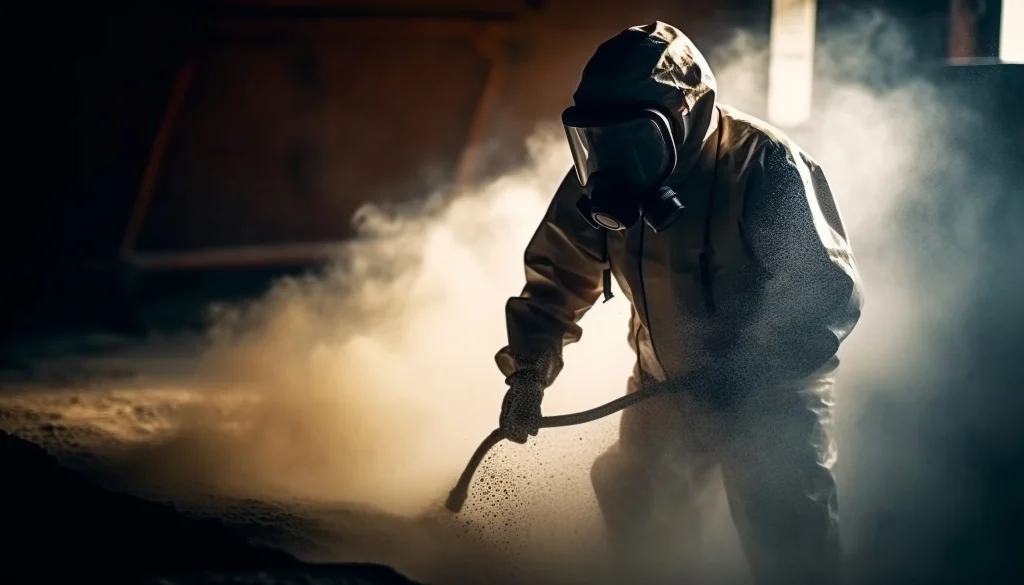
No coating, however advanced, will outperform poor surface preparation. Before a single panel goes into the booth, it needs to be free of oils, oxidation, and contaminants that could cause the coating to fail prematurely. Facilities that fabricate their own aluminum components often ask us about the same preparation standards we apply to structural steel work — the principles of thorough cleaning, media blasting, and chemical pretreatment carry across metals, even though the specific processes are tailored to each substrate. You can see how meticulous we are about that groundwork in our overview of how we prepare metal components for coating.
Why Pretreatment Extends the Life of Your Fence
Pretreatment isn’t a cosmetic step — it’s the foundation the entire finish depends on. A properly pretreated aluminum surface allows the powder to bond at a molecular level, which is what gives industrial fencing its ability to withstand years of UV exposure, road salt, and physical impact without peeling or bubbling. Skip this step, and even the best powder formulation will fail early.
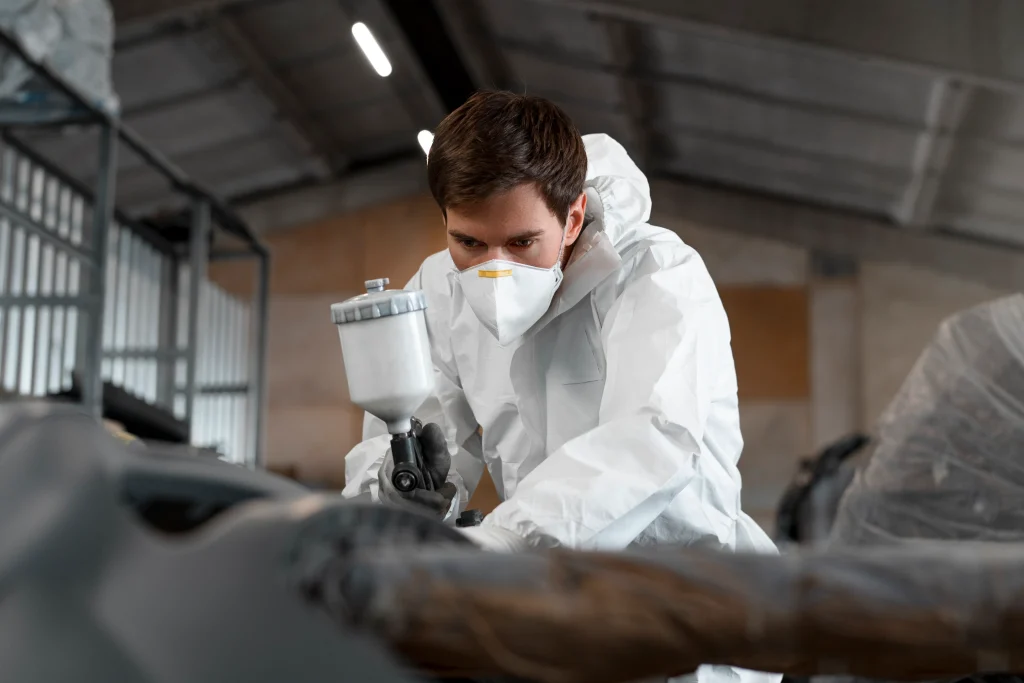
Security Without Sacrificing Curb Appeal
We understand that “security fencing” often carries a certain visual reputation — tall, cold, industrial in the least flattering sense of the word. Custom architectural aluminum changes that equation entirely. Facilities can now specify fencing that meets strict perimeter security requirements while still complementing the architecture of the building itself, whether that’s a modern manufacturing plant, a corporate campus, or a mixed-use commercial development.
Matching Fencing to Brand and Environment
Color and finish play a bigger role in this than most specifiers realize. A dark bronze or matte black finish can make a fence disappear visually against landscaping, while a bold, brand-aligned color can turn the same fence into a statement piece at a facility entrance. This is one of the biggest advantages of powder coating over anodizing or raw metal: the finish options are nearly limitless. If you’re exploring what’s possible, our guide to custom colors and finishes covers the range of textures and tones available for architectural applications.
Designing for Sightlines and Deterrence
Effective security fencing balances two competing needs: visibility for surveillance and deterrence against intrusion. Vertical picket designs with narrow spacing tend to satisfy both, offering clear sightlines for cameras and staff while making the fence difficult to climb or breach. Panel height, post spacing, and anti-climb detailing should all be specified with the site’s actual risk profile in mind — not simply defaulted to a standard catalog size.
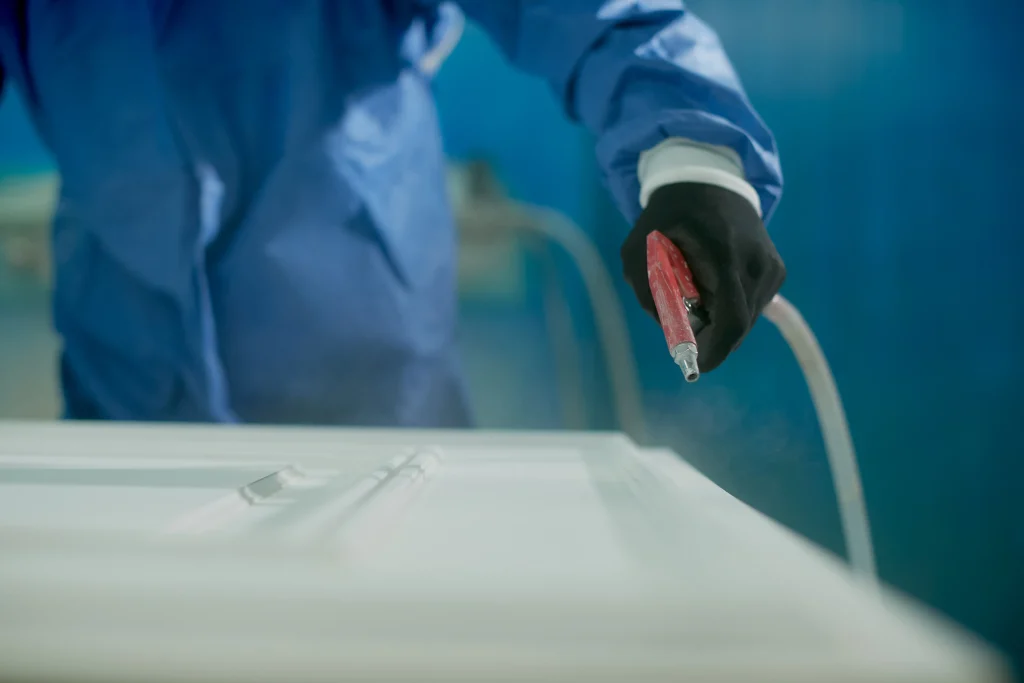
Planning, Logistics, and Long-Term Maintenance
A fencing project doesn’t end when the panels are installed. Two things determine whether your investment holds up: how the project is managed logistically, and how the finish is maintained afterward.
Streamlined Fabrication and Coating Logistics
For contractors and fabricators managing multiple job sites, coordinating the coating process shouldn’t add friction to an already tight schedule. Efficient drop-off and pickup logistics keep fencing components moving through fabrication, coating, and installation without unnecessary delays. If you’re managing a multi-phase project, it’s worth reviewing how drop-off and pickup services can be built into your project timeline from the start.
Keeping Your Fence Looking Like New
Powder-coated aluminum is remarkably low-maintenance, but “low-maintenance” doesn’t mean “no maintenance.” Periodic rinsing to remove dirt, pollen, and airborne contaminants goes a long way toward preserving the finish’s appearance and lifespan. Harsh abrasive cleaners or high-pressure washing at close range can, over time, dull the coating — so it’s worth following manufacturer-recommended care practices. Our maintenance and care guide outlines the simple steps that keep a finish performing at its best for years after installation.
Frequently Asked Questions
How long does powder-coated aluminum fencing typically last?
With proper surface preparation and routine care, a professionally powder-coated aluminum fence can maintain its structural integrity and appearance for 20 years or more, depending on environmental exposure and coating thickness.
Is aluminum fencing strong enough for industrial security applications?
Yes. While aluminum weighs less than steel, modern architectural aluminum systems are engineered with reinforced profiles and secure mounting hardware that meet the same perimeter security standards required at manufacturing and commercial sites.
Can powder coating match a specific brand color for corporate fencing?
Absolutely. Powder coating offers an extensive range of custom color matching, along with textured and metallic finish options, making it possible to align fencing with existing brand guidelines or architectural themes.
Conclusion
Custom architectural aluminum fencing represents one of the smartest investments a commercial or industrial property can make — it delivers serious security performance without forcing a trade-off on appearance. But the material is only as good as the finish protecting it. A properly prepared and powder-coated aluminum fence will outlast, outperform, and simply outlook alternatives that skip these critical steps.
join our social networks to stay updated with our latest news and events. Don’t miss out on anything and follow our accounts today! Contact us!