Every commercial fabrication client eventually asks some version of the same question: “Why does this quote look different from the one I got somewhere else?” It’s a fair question, and the honest answer is that powder coating pricing isn’t a single number pulled from a price list — it’s the sum of several variables that change from project to project, sometimes significantly. A batch of simple steel brackets costs nothing like a run of architectural railings with complex geometry, and understanding why helps a facility manager or contractor budget accurately instead of getting surprised by a quote. Below, we walk through the real cost drivers behind commercial steel powder coating, what tends to inflate a project’s price unnecessarily, and how to plan a job that gets the durability you need without paying for complexity you don’t.
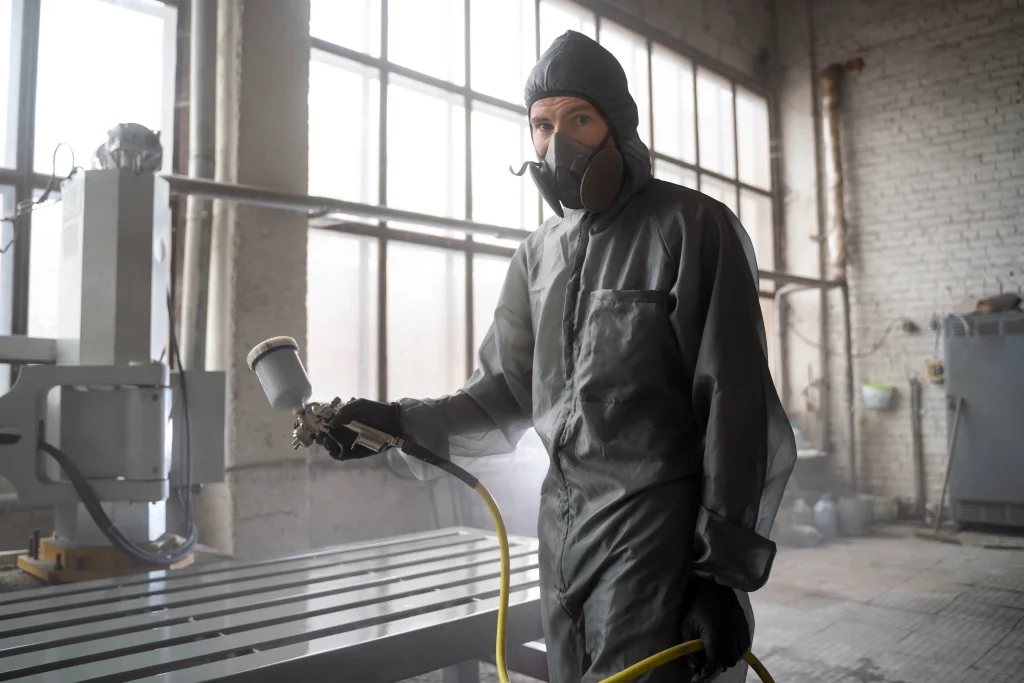
The Core Variables That Determine Powder Coating Pricing
Commercial powder coating costs are driven primarily by part size and surface area, geometric complexity, the volume of pieces being coated, and the coating specification itself — and any one of these factors can move a project’s price more than material cost alone.
Most clients assume steel gauge or basic material cost drives the number on their quote, but in practice, labor and process complexity almost always matter more. A finish is only as expensive as the work it takes to prep, hang, coat, and cure each piece correctly.
Part Size, Surface Area, and Oven Capacity
Larger parts take up more room in the curing oven, which limits how many pieces can run through a batch together. That directly affects throughput — and throughput is one of the biggest levers on price for any coating shop. A canopy frame or a run of long handrail sections eats up oven space differently than a stack of small brackets, even if the total steel weight is similar.
Geometric Complexity and Coating Accessibility
Flat panels and simple tube sections coat efficiently because the powder reaches every surface with minimal masking or repositioning. Parts with tight interior corners, overlapping components, or hard-to-reach welds require more careful application to avoid thin spots — the kind of thin spots that become the first place a finish fails. That extra attention takes time, and time is the primary cost driver in any coating operation.

Volume, Batching, and Project Timeline Considerations
Coating cost per part typically drops as order volume increases, since setup time, masking, and oven scheduling get spread across more pieces — which is why a single custom piece almost always costs more per unit than the same piece ordered as part of a larger batch.
This is the section of a quote most clients don’t expect, but it explains a lot of the variation between projects that seem similar on paper.
Why Batch Size Changes Your Per-Unit Cost
Setting up a coating line — mixing the correct powder, adjusting the booth, prepping the racking — takes roughly the same amount of time whether you’re coating five pieces or fifty. Spreading that fixed setup cost across more units brings the per-piece price down substantially, which is why we always ask about total project scope, not just the immediate order, when we’re quoting commercial work.
Rush Timelines and Their Effect on Pricing
A standard production schedule lets us batch a project efficiently alongside other work moving through the shop. A compressed timeline — needing a canopy or railing run finished in days rather than the standard turnaround — usually means running a smaller batch out of sequence, which increases the per-unit cost even on a straightforward project. Planning ahead is genuinely one of the easiest ways to control cost on a commercial job.
Multi-Phase Projects and Staggered Delivery
Larger commercial projects — a full building’s worth of railings, or a canopy system installed across several phases — often benefit from staggered coating schedules that match the construction timeline. This keeps parts from sitting in storage waiting on other trades, but it also means coordinating batch runs carefully so the project doesn’t lose the efficiency of larger-volume pricing. We handle this kind of scheduling regularly, and our drop-off and pickup services make it easier for contractors to move components through the shop in phases without adding logistical overhead to an already complex project.
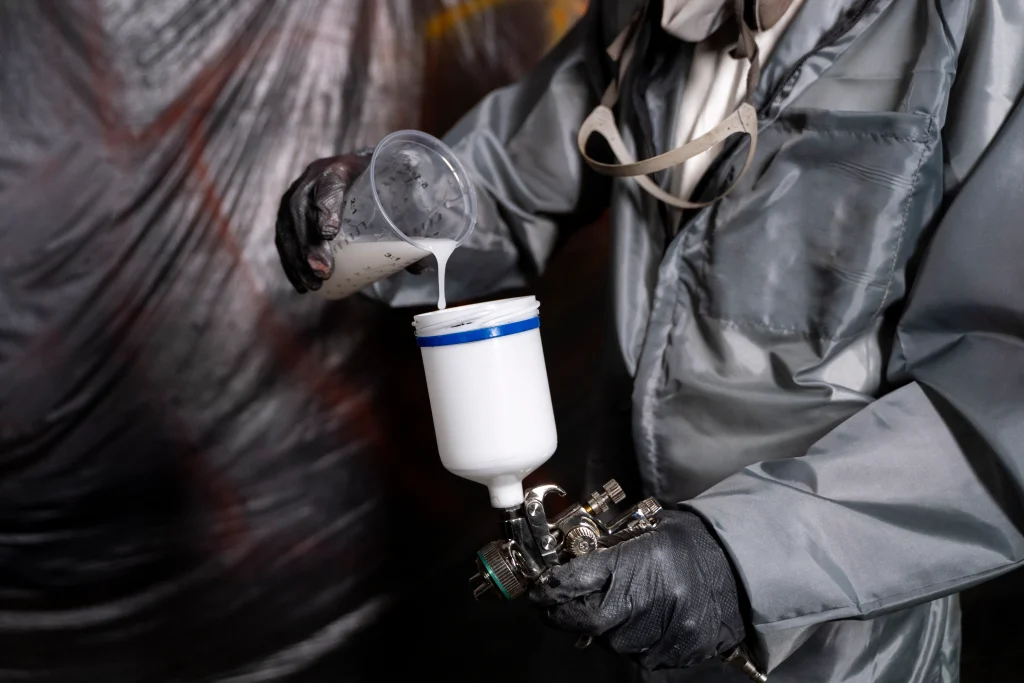
Surface Preparation and Coating Specification Costs
Proper weld cleanup and surface preparation directly affect both the cost and the long-term durability of a powder coated finish, and skipping or shortcutting this step is one of the most common ways a “lower cost” quote ends up costing more in early finish failure.
Weld Cleanup and Substrate Preparation
Every weld point needs to be cleaned of slag, spatter, and oxidation before it goes into the coating booth, or the finish won’t bond correctly at exactly the spots that see the most stress later on. This step takes real labor time, and it’s one of the areas where a lower quote sometimes signals a shortcut rather than genuine efficiency. We break down exactly what proper prep involves in our guide on how to prepare steel weldments for powder coating, and it’s worth comparing against any quote that seems unusually low.
Coating Formulation and Performance Grade
Not every powder is priced the same. Standard interior-grade formulations cost less than exterior-rated polyester powders built for UV stability and weather resistance, and specialty finishes — textures, metallics, high-performance industrial coatings — add further cost. The right choice depends entirely on where the finished piece will live. Our breakdown of powder coating durability covers what separates these formulations and why paying for the correct grade upfront is almost always cheaper than an early re-coat.
Material Choice: Steel Versus Aluminum Cost Differences
Steel and aluminum don’t coat identically, and material choice affects both the base fabrication cost and, in some cases, the coating process itself. Aluminum’s natural resistance to corrosion can occasionally allow for a lighter coating specification on certain interior applications, while steel almost always benefits from the fuller protective barrier a proper powder finish provides. We see this trade-off regularly on projects similar to our custom architectural aluminum fencing work, where material selection shapes the finishing approach from the start
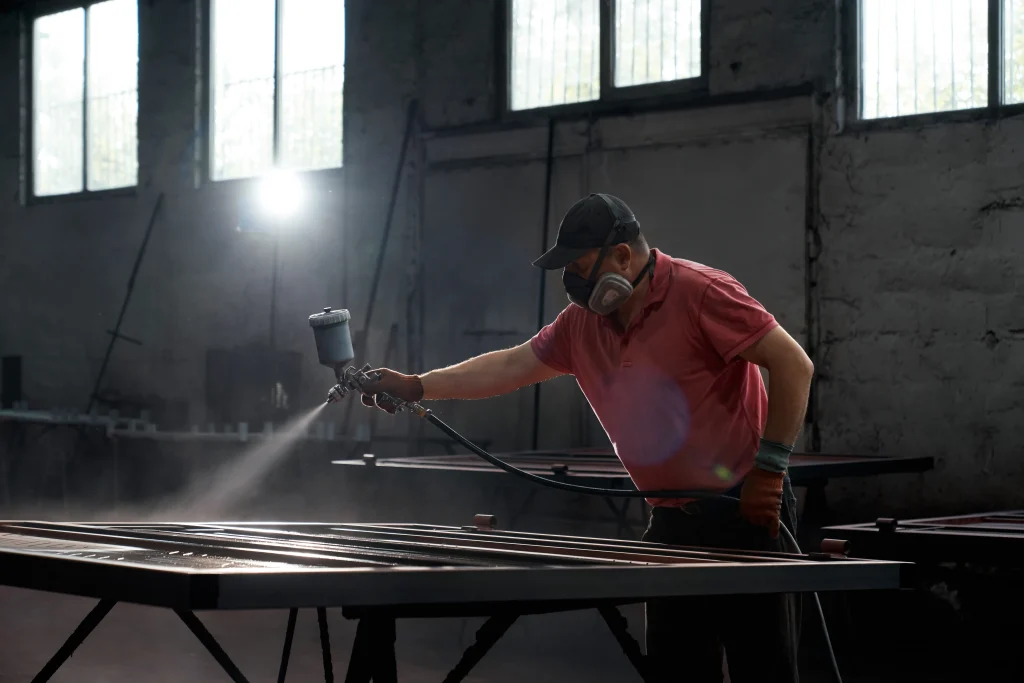
Getting an Accurate Quote for Your Commercial Coating Project
The most reliable way to control cost on a commercial powder coating project isn’t chasing the lowest quote — it’s providing enough project detail upfront that the quote reflects the real scope of work. Piece count, dimensions, geometric complexity, timeline, and coating specification all belong in that initial conversation, because any one of them left out tends to surface later as a change order. A well-maintained finish also stretches the value of that investment considerably further, and our powder coating maintenance and care guide covers the simple upkeep that keeps a project from needing early rework.
Frequently Asked Questions
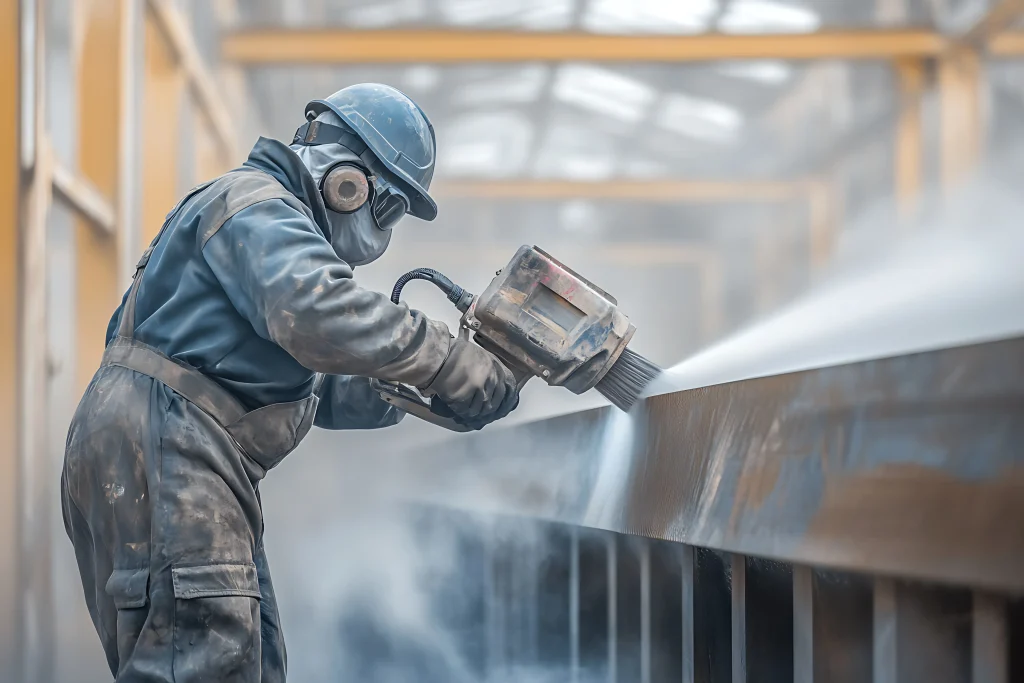
Why do two seemingly similar powder coating quotes come back with different prices?
The difference almost always comes down to batch size, geometric complexity, or coating specification rather than material cost alone. A shop quoting a smaller batch, a more complex part geometry, or a lower-grade powder will land on a different number than one quoting a larger run of simpler parts with an exterior-rated finish, even if the parts look similar on the surface.
Does rushing a project always increase the cost?
In most cases, yes, because a compressed timeline typically means running a smaller batch out of the shop’s normal production sequence, which reduces the efficiency gains that come from larger-volume runs. Planning a project’s timeline in advance is one of the more effective ways to avoid paying a rush premium.
Is it worth paying more for exterior-grade powder on a project that might sit outdoors part-time?
Generally, yes. If there’s any realistic chance a piece will see outdoor exposure — even occasionally, like a canopy edge or an entry railing — specifying the exterior-grade formulation upfront costs far less than re-coating a piece that fails early because it was coated for indoor use only.
Conclusion

Commercial powder coating costs come down to a handful of real variables — part size, complexity, batch volume, timeline, and coating specification — rather than a flat per-square-foot number. Understanding which of those factors apply to your project makes it much easier to read a quote accurately and avoid surprises once the work is underway.
join our social networks to stay updated with our latest news and events. Don’t miss out on anything and follow our accounts today! Contact us!
For commercial projects involving canopies, stairs, or architectural metalwork in North Carolina, Richards Powdercoat LLC specializes in commercial canopy powder coating in NC — including small stairs and structural components applied to specification.