A commercial steel fence is a long-term investment, and most property owners don’t think much about its finish until it starts failing — rust bleeding through at the base, chalky discoloration along the top rail, chipped paint at every gate hinge. By the time those signs show up, the finish has already stopped doing its job, and the underlying steel is exposed to whatever comes next. Commercial fencing projects that hold up for decades instead of a handful of years almost always come down to one decision made early: the coating specification. Below, we break down exactly how powder coating protects steel fencing over the long term, what makes it outperform traditional paint on high-exposure structures, and what it takes to get that extended lifespan in practice.
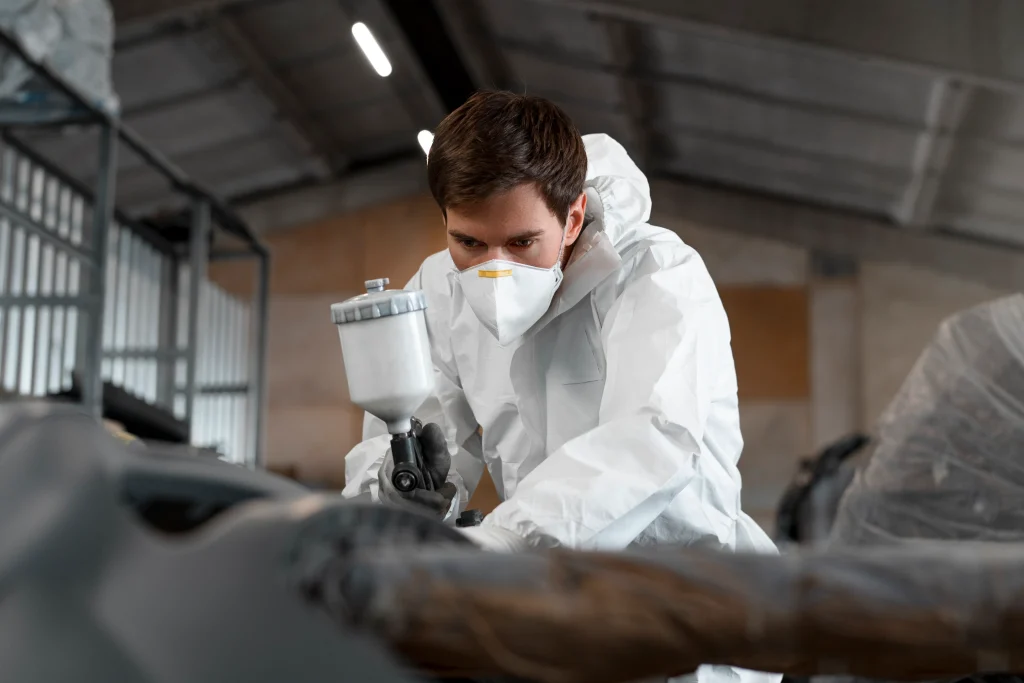
Why Fence Finish Matters More Than Most Property Owners Realize
A commercial steel fence sits fully exposed to weather, moisture, and physical contact 365 days a year, which means its finish isn’t a cosmetic feature — it’s the primary barrier standing between the steel structure and the corrosion process that eventually compromises it.
Unlike interior metalwork or even a covered structure, a fence line has nowhere to hide from the elements. Every panel, post, and gate takes direct sun, direct rain, and — depending on the property — direct contact from equipment, vehicles, and foot traffic along the perimeter.
What Actually Causes Steel Fences to Fail Early
Steel fencing rarely fails because the steel itself gave out structurally. It fails because moisture found a way to bare metal — through a chip, a thin spot, or an unprotected weld — and corrosion spread outward from that point. Once rust starts under a coating, it doesn’t stay contained to where it began; it works its way beneath the surrounding finish, which is why a small chip today can become a much larger repair a year or two later if it isn’t addressed.
The Cost of Repainting Versus Getting the Finish Right the First Time
Wet paint on exterior steel fencing typically needs attention within five to seven years in most climates, and that maintenance cycle only accelerates in coastal or high-humidity regions. Repainting a commercial fence line isn’t a quick weekend project — it usually means surface prep, masking, multiple coats, and cure time, all while the fence may need to stay accessible for property use. Specifying a finish that avoids that repeat cycle almost always costs less over the life of the fence than repainting every few years.
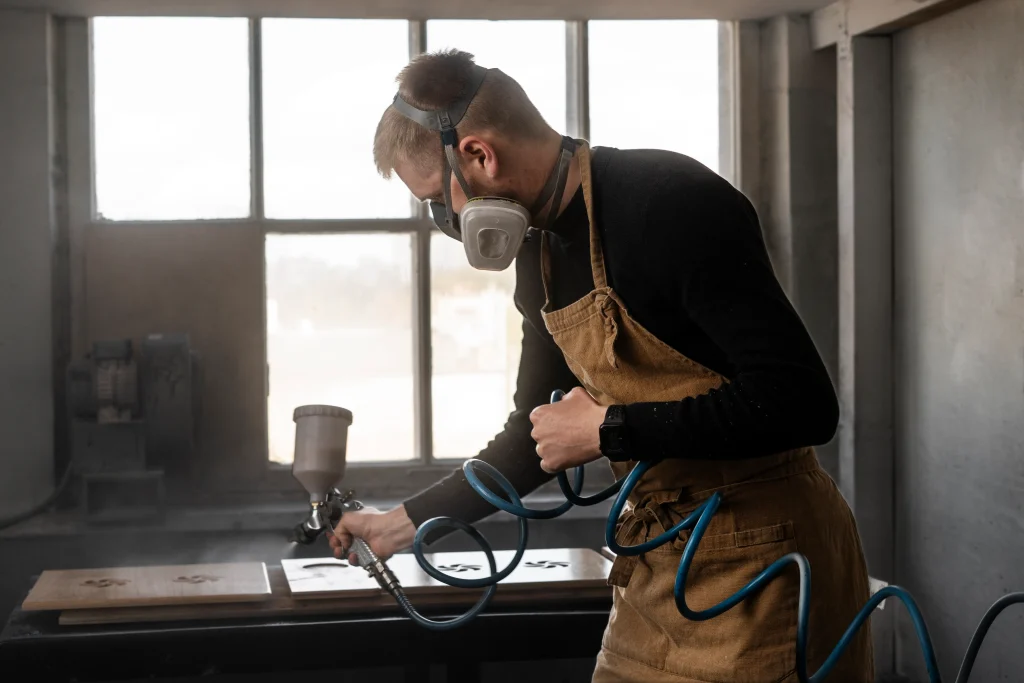
How Powder Coating Protects Steel Fencing Long-Term
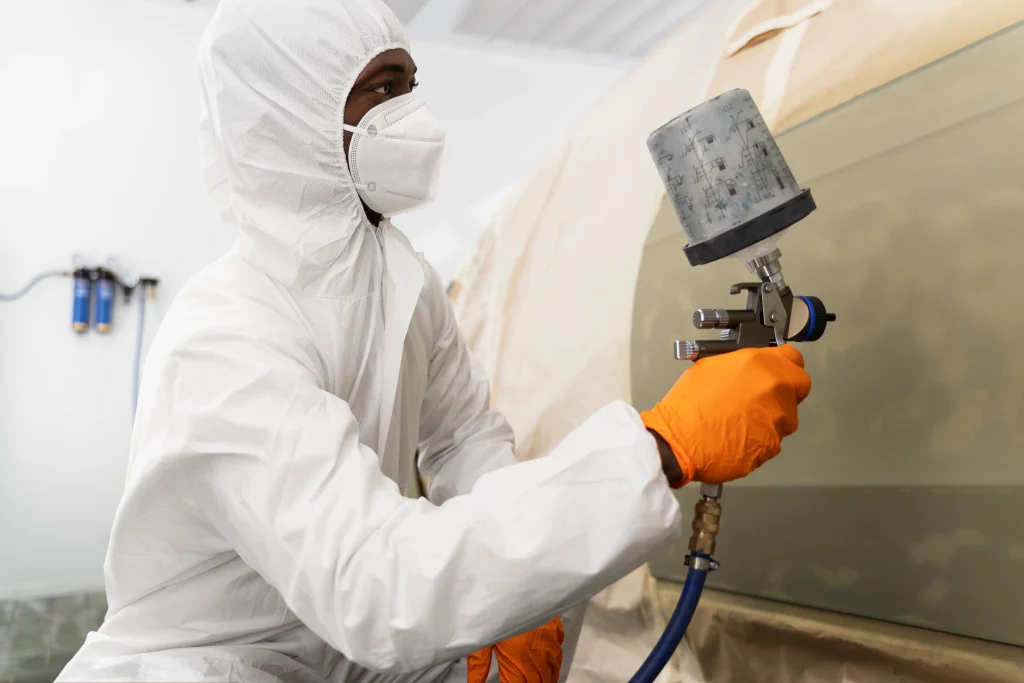
Powder coating applies as an electrostatically charged dry powder that’s then cured under heat into a continuous, tightly bonded film — a process that produces a thicker, more uniform barrier against moisture and UV exposure than liquid paint achieves through solvent evaporation.
This is the mechanical difference that explains everything downstream: fewer thin spots, better edge coverage, and a finish that holds its protective properties for years longer than a comparable paint job.
Corrosion Resistance Along Fence Lines and at Weld Points
The weakest points on any steel fence are almost always the welds — post-to-rail connections, gate hinges, corner joints — because that’s where heat from fabrication alters the surrounding metal and where moisture tends to collect if the finish isn’t applied correctly. A properly cured powder coat forms a continuous barrier across those weld points, but only if the metal underneath is prepared correctly first. We walk through exactly how that preparation works in our guide on how to prepare steel weldments for powder coating, and it’s a step we treat as non-negotiable on every fencing project.
UV Stability and Long-Term Appearance
A fence line is one of the most visible features on many commercial properties, and a finish that fades or chalks within a couple of seasons undercuts the property’s appearance regardless of how structurally sound the fence still is. Exterior-grade powder formulations are specifically engineered to resist UV breakdown, which keeps color consistent for years longer than standard paint. Our breakdown of powder coating durability covers the formulation differences that separate a finish built for long-term exterior use from one that fades early.
Impact and Chemical Resistance for High-Traffic Perimeters
Commercial fence lines take more physical abuse than most people expect — landscaping equipment, delivery vehicles backing too close, occasional contact from carts or machinery near loading areas. Powder coating’s thicker, more flexible film absorbs minor impacts better than wet paint, reducing the chance that routine contact chips through to bare metal. It also holds up better against cleaning chemicals and environmental pollutants, which matters on fence lines adjacent to parking areas or industrial operations.
Consistent Coverage on Complex Fence Geometry
Fencing with decorative elements, tight picket spacing, or ornamental ironwork details creates more surface area and more corners for a finish to cover evenly. Powder coating’s electrostatic application process wraps around these details more consistently than brushed or sprayed liquid paint, which reduces the thin spots that tend to become the first failure point on ornamental commercial fencing.
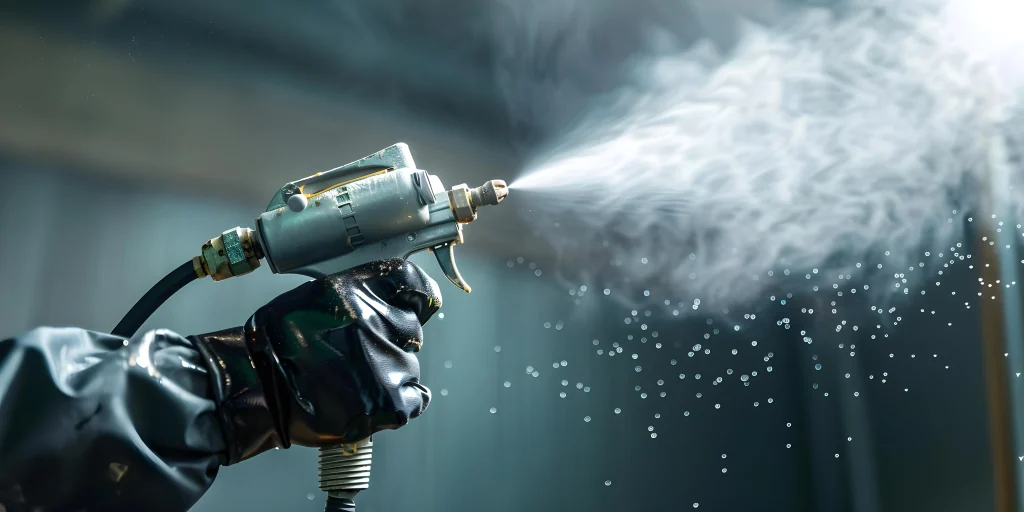
Fabrication Decisions That Support a Longer-Lasting Fence
A powder coated finish only performs as well as the fabrication work underneath it — material selection, weld quality, and surface preparation all directly affect how long the coating protects the fence, which means lifespan is decided on the shop floor before the coating booth ever comes into play.
Material Choice: Steel Versus Aluminum for Commercial Fencing
Steel remains the standard for commercial fencing that needs maximum strength and impact resistance, particularly around industrial sites or high-security perimeters, while aluminum has become a strong option for architectural and decorative fencing where corrosion resistance and reduced weight are priorities. We fabricate both, and the standards we apply carry directly over from our custom architectural aluminum fencing work — the same attention to clean welds and tight tolerances, regardless of which material a property calls for.
Getting Fencing Components Through Fabrication and Finishing Efficiently
Commercial fencing projects often involve a large number of individual panels, posts, and gate components that all need to move through fabrication and coating together to keep a consistent finish across the entire perimeter. For contractors managing that volume alongside a tight installation schedule, our drop-off and pickup services help keep components moving efficiently without adding scheduling friction to the project.
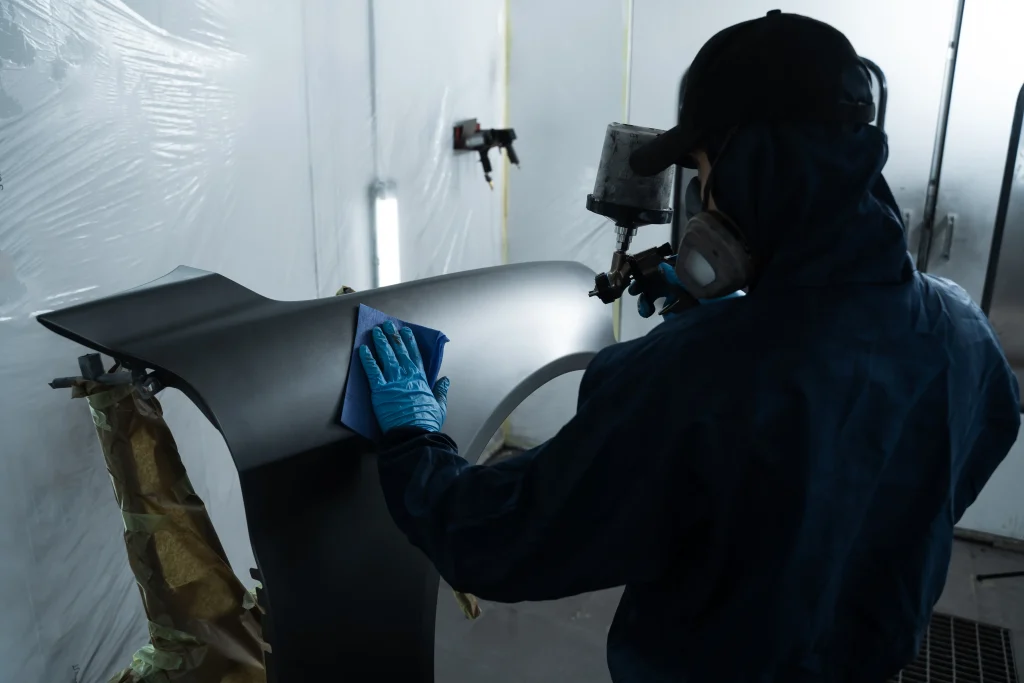
Maintaining a Powder Coated Fence for Maximum Service Life
Even a properly specified powder coat benefits from a bit of routine attention, and it’s a fraction of what a painted fence requires. Periodic rinsing to clear dirt, pollen, and organic buildup, along with a quick visual check after severe weather for any impact damage, goes a long way toward preserving the coating’s protective barrier over the fence’s full service life. Our powder coating maintenance and care guide covers exactly what that upkeep looks like, and most property managers find it takes far less effort than the paint maintenance cycle they’re used to.
Frequently Asked Questions

How much longer does a powder coated commercial fence last compared to a painted one?
A properly specified and applied powder coat typically outlasts wet paint by a significant margin, often performing well for fifteen to twenty years compared to the five-to-seven-year repaint cycle common with liquid paint on exterior steel. The exact lifespan depends on the coating grade, environmental exposure, and how well the fence is maintained.
Does powder coating work on existing steel fencing, or only new fabrication?
It can work on existing fencing, provided the steel is structurally sound and any rust or damaged areas are properly addressed before recoating. Stripping the old finish and preparing the surface correctly is the critical step — skipping that prep just sets the new coating up to fail at the same weak points as the old one.
Is powder coating worth the added upfront cost for a large commercial fence line?
For most commercial properties, yes. The extended service life and reduced maintenance typically offset the higher initial cost well within the first several years, and avoiding a full repaint cycle every five to seven years usually makes powder coating the more economical choice over the fence’s total lifespan.
Conclusion
A commercial steel fence is only as durable as the finish protecting it, and the gap between a fence that lasts five years and one that lasts twenty almost always comes down to coating specification and the fabrication work behind it. Powder coating’s thicker, more UV-stable, more impact-resistant film gives commercial properties a finish that holds up to constant outdoor exposure without the repeat maintenance cycle wet paint demands.
join our social networks to stay updated with our latest news and events. Don’t miss out on anything and follow our accounts today! Contact us!