Attractive finishes that stand up to the elements and meet strict performance standards, architectural powder coating consistently rises to the top. At our facility, we have spent years helping fabricators, architects, and contractors across the state achieve consistent, high-quality results on everything from curtain walls and window frames to railings, sunshades, and structural steel components. This guide walks through the essentials of architectural powder coating so you can make informed decisions that protect your projects, satisfy specifications, and keep your clients satisfied for decades.
Why Architectural Powder Coating Matters for North Carolina Projects
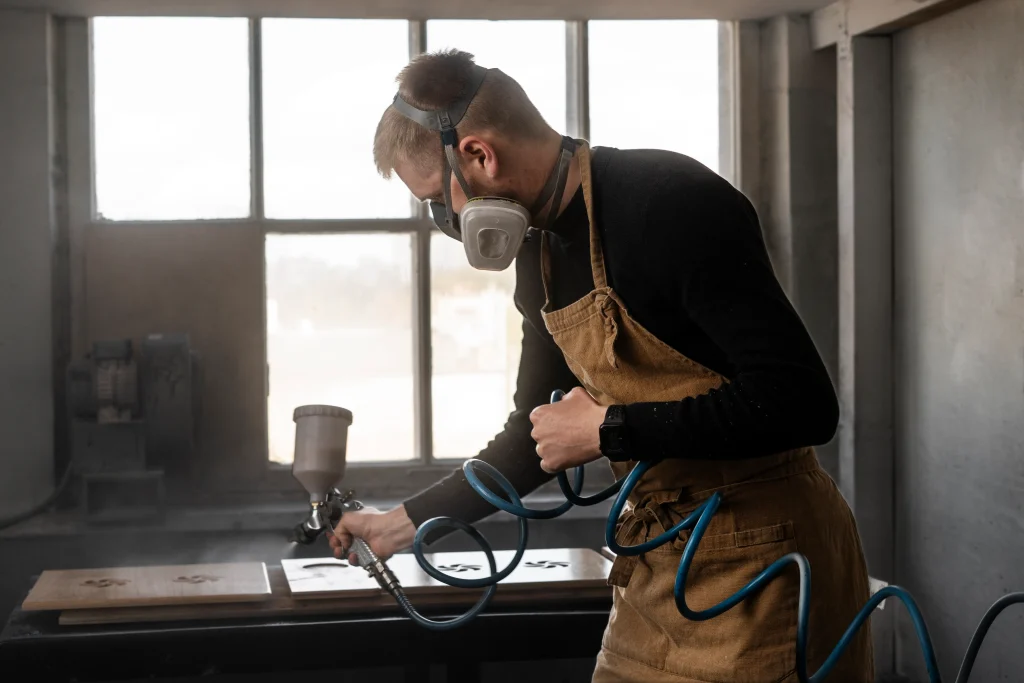
North Carolina’s climate presents a unique combination of humidity, coastal salt exposure in the eastern regions, temperature swings, and occasional severe weather. These conditions demand finishes that resist corrosion, UV degradation, chalking, and color fade far better than many conventional liquid paints. Architectural powder coating delivers exactly that performance while offering environmental and operational advantages that matter to fabricators running busy shops.
Unlike solvent-based coatings, powder coatings contain little to no volatile organic compounds. The process generates minimal waste because overspray can often be reclaimed and reused. For shops focused on efficiency and compliance with increasingly strict environmental regulations, this is a significant operational benefit. The finish itself is thicker and more uniform than most liquid systems, providing excellent edge coverage and impact resistance—critical when metal components are handled, shipped, and installed on commercial sites throughout the state.
We regularly work with fabricators who need finishes that meet or exceed AAMA 2603, 2604, or 2605 specifications. These standards define performance levels for color retention, gloss retention, and corrosion resistance under accelerated weathering tests. Selecting the right powder chemistry and applying it under controlled conditions ensures your product meets the architect’s specifications and the owner’s long-term expectations.
Understanding the Architectural Powder Coating Process
The process begins long before the powder is applied. Proper surface preparation is the foundation of every successful coating job. For aluminum extrusions and fabrications common in architectural work, we typically follow a multi-stage pretreatment that includes cleaning, etching, and conversion coating. On steel, the sequence often involves abrasive blasting to a specified profile followed by a suitable pretreatment. Skipping or rushing these steps is the most common reason for premature coating failure, so we treat preparation as non-negotiable.
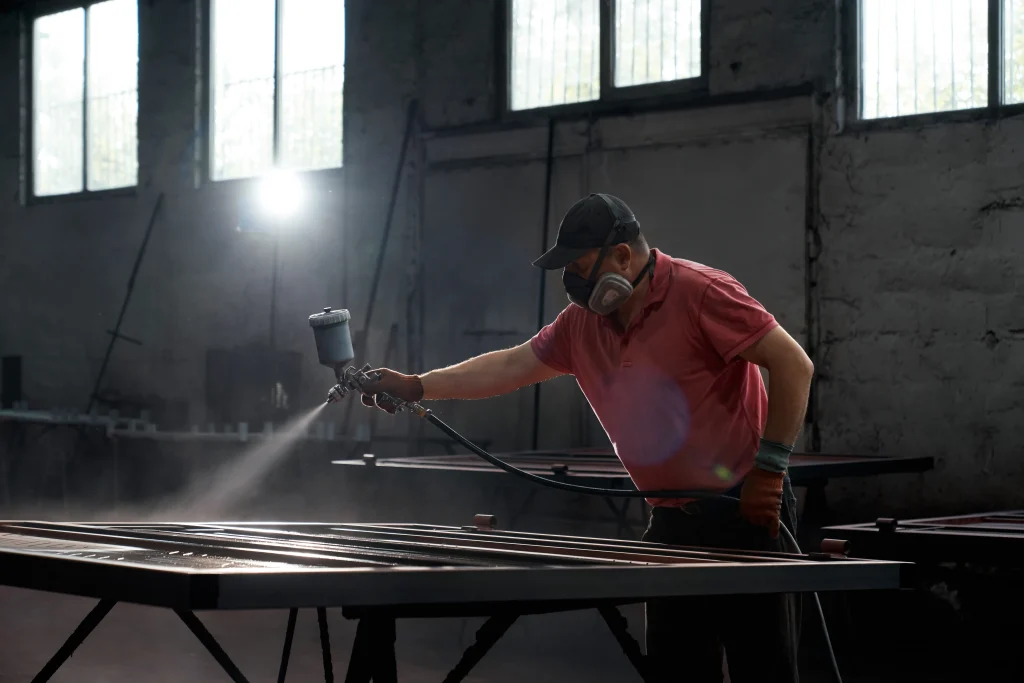
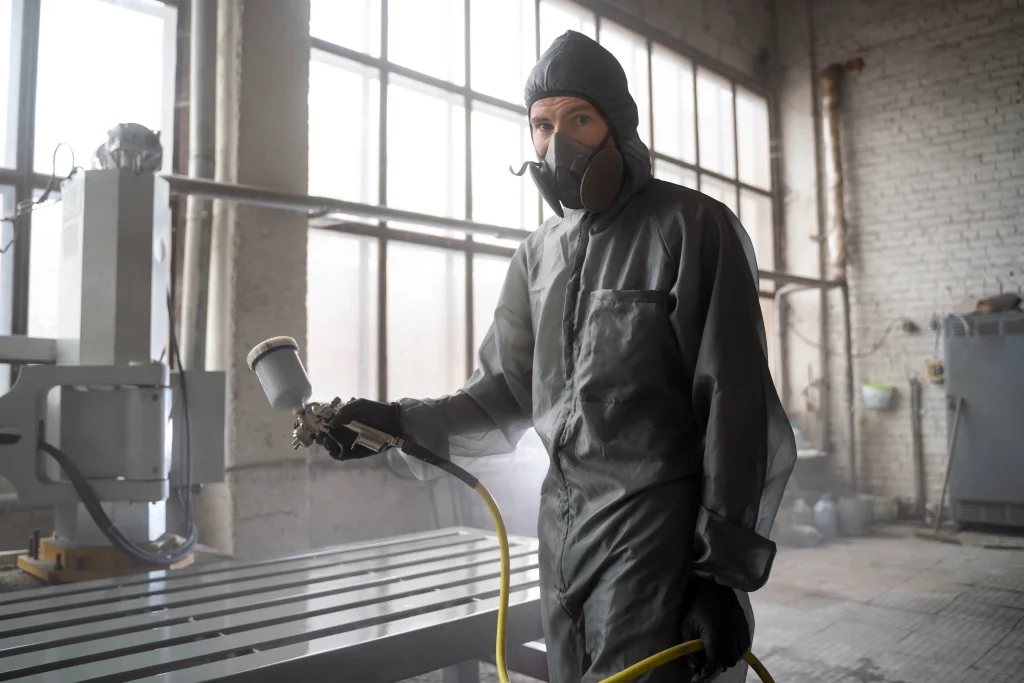
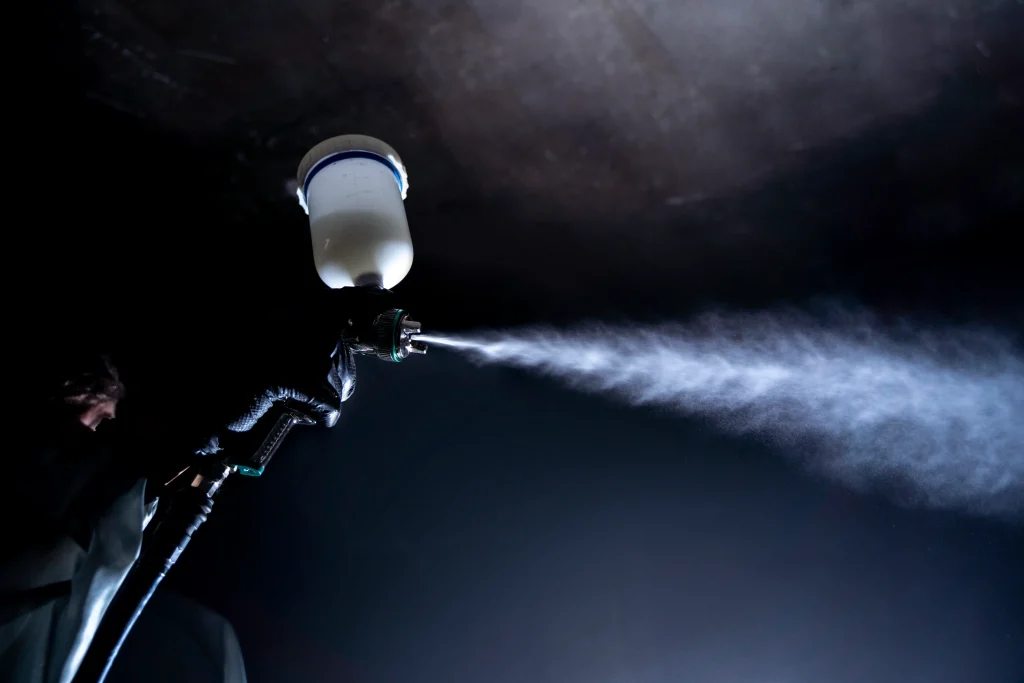
Once the metal is clean and pretreated, it moves into the application booth. Electrostatic spray guns charge the powder particles so they wrap around the part and adhere evenly, even on complex geometries. Our operators adjust voltage, gun distance, and powder flow to achieve the target film thickness—usually in the 2.0 to 3.5 mil range for architectural work, depending on the specification. After application, parts enter a curing oven where the powder melts, flows, and cross-links into a continuous, durable film. Precise temperature and time control during cure is essential; under-curing leaves the coating soft and vulnerable, while over-curing can affect color and flexibility.
Quality control does not end at the oven exit. We measure dry-film thickness, check adhesion with cross-hatch or pull-off tests when required, and verify color and gloss against approved standards. For projects demanding AAMA 2605 performance, we often recommend fluoropolymer powders such as those based on PVDF chemistry. These systems deliver superior resistance to chalking and fading in high-UV environments, making them ideal for south-facing elevations and coastal installations across North Carolina.
Selecting the Right Powder Chemistry for Commercial Applications
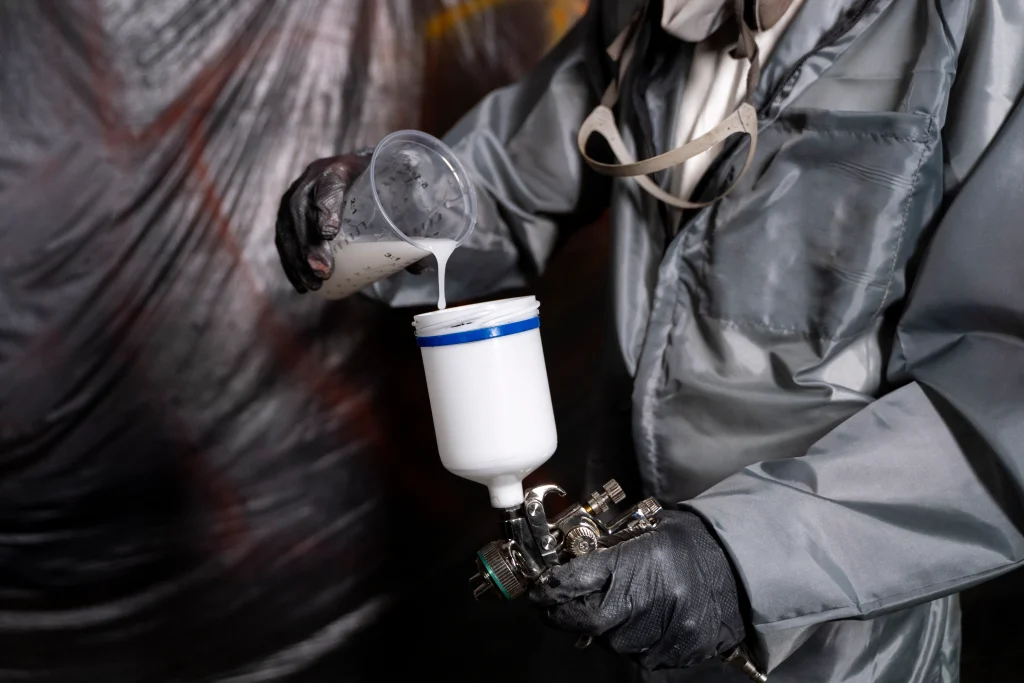
Not every powder is suitable for architectural use. Standard epoxy powders offer excellent corrosion resistance and chemical resistance but tend to chalk and fade outdoors. Polyester powders provide better UV resistance and are widely used for AAMA 2603 and many 2604 applications. Super-durable polyesters push performance higher, while fluoropolymer systems sit at the top of the architectural hierarchy for the most demanding exterior exposures.
Color selection and consistency matter just as much as chemistry. Architects frequently specify custom colors or require tight batch-to-batch matching across multi-phase projects. We maintain rigorous color management protocols and work closely with powder manufacturers to ensure availability of the exact shade and gloss level required. Metallic and mica effects are also popular in contemporary commercial design; these require careful application technique to achieve uniform appearance without mottling or streaking.
For fabricators producing high volumes of similar parts, we can often develop process parameters that maximize throughput while maintaining quality. Conveyorized lines with precise oven profiles allow consistent results shift after shift. When projects involve mixed materials or complex assemblies, our team evaluates whether offline coating or selective masking is the better approach.
Key Benefits for Commercial Metal Fabricators Operating in NC
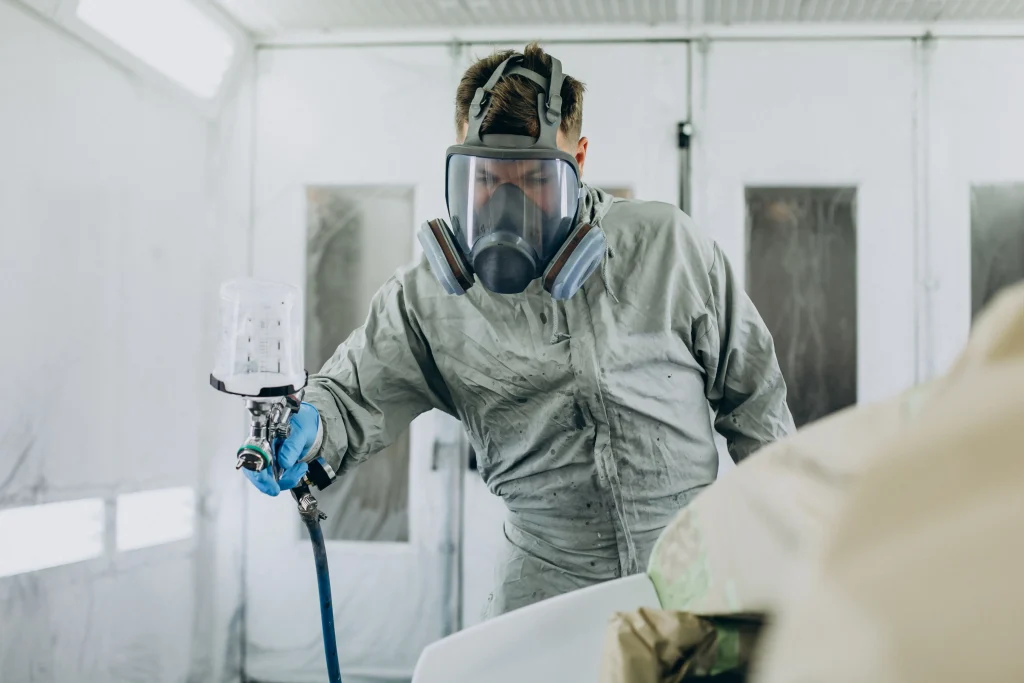
Choosing architectural powder coating brings several practical advantages to your operation. First, the finish is highly resistant to the handling damage that can occur during fabrication, storage, and installation. Scratches and chips are less likely than with many liquid systems, reducing field touch-up costs. Second, the coating provides excellent coverage on edges and weld seams—areas that are traditionally vulnerable to corrosion. Third, the wide range of available textures, from smooth high-gloss to fine or coarse textures, gives designers greater freedom while still meeting performance criteria.
From a business standpoint, partnering with a local North Carolina applicator reduces lead times and freight costs compared with shipping parts out of state. Local collaboration also makes it easier to resolve questions about surface preparation, masking, or packaging before parts leave your shop. We understand the pressure of construction schedules and the need for reliable turnaround, so we structure our capacity to support both large multi-building projects and smaller specialty runs.
Durability translates directly into lower lifecycle costs for the building owner. A properly specified and applied architectural powder coating can maintain its appearance and protective properties for 15 to 30 years or more, depending on the chemistry and exposure conditions. That longevity supports green building goals and reduces the frequency of costly recoating or component replacement.
Practical Considerations When Specifying and Ordering
Successful outcomes start with clear communication. When you send drawings or samples, include the required AAMA specification level, target color and gloss, film thickness range, and any special requirements such as warranty expectations or testing protocols. Identify critical surfaces that must remain free of coating defects and note any areas that need masking. If parts will be welded after coating or require field touch-up, discuss compatible repair materials early in the process.
Packaging and handling after coating are equally important. We recommend protective wrapping or separators for finished parts to prevent abrasion during transit. For large or heavy fabrications, discuss lifting points and storage orientation so the coating is not stressed unnecessarily.
Weather conditions during installation can also affect long-term performance. While the cured powder film is robust, newly installed components should be protected from standing water or aggressive cleaning chemicals until the project is complete. We provide care-and-maintenance guidelines that building owners and facility managers can follow to keep the finish looking its best.
Addressing Common Challenges in Architectural Coating Projects
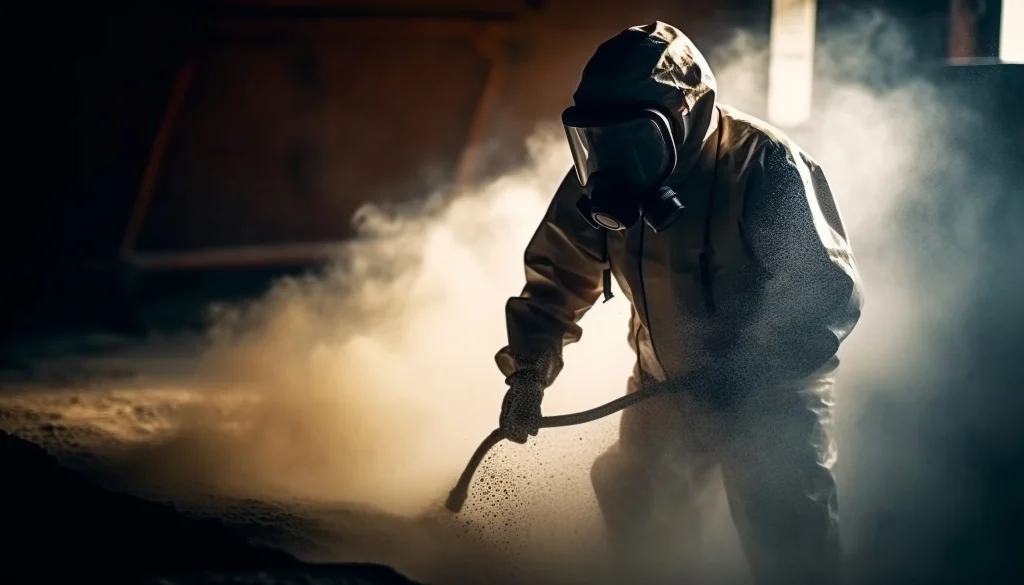
Complex geometries, deep recesses, and Faraday cage effects can make uniform coverage difficult. Experienced applicators adjust gun technique, use multiple passes, or employ specialized nozzles to overcome these issues. When parts are too large for standard equipment, we evaluate alternative fixturing or staged coating approaches.
Color matching across different alloys or surface textures requires careful control of both pretreatment and application parameters. Aluminum and steel accept pretreatment differently, and extruded versus fabricated surfaces can respond differently to the same process. We document these variables so that subsequent production runs remain consistent.
Supply chain reliability for specialized powders is another practical concern. High-performance fluoropolymer and super-durable polyester powders are not always stocked in every color. Early engagement with your coating partner allows time to secure the correct material and verify performance data before production begins.
Frequently Asked Questions
What is the difference between AAMA 2603, 2604, and 2605 coatings?
AAMA 2603 represents a basic performance level suitable for many interior or mild exterior applications. AAMA 2604 offers enhanced durability with better color and gloss retention, typically using high-performance polyesters. AAMA 2605 is the highest standard, requiring fluoropolymer chemistry and delivering superior resistance to chalking, fading, and corrosion under severe exposure conditions. Selecting the correct level depends on the building’s location, elevation orientation, and the architect’s long-term performance expectations.
How long does architectural powder coating typically last in North Carolina’s climate?
With proper surface preparation, correct powder selection, and controlled application, a high-quality architectural powder coating can retain its appearance and protective properties for 15 to 30 years or longer. Coastal projects or those with intense southern exposure benefit most from AAMA 2605 systems. Regular cleaning according to manufacturer recommendations further extends service life by removing dirt and pollutants that can accelerate degradation.
Can powder coating be applied to both aluminum and steel architectural components?
Yes. Both materials are routinely coated for commercial projects. Aluminum typically receives a multi-stage chemical pretreatment, while steel often requires abrasive blasting followed by pretreatment. The powder chemistry is then selected according to the performance specification. When a single project includes both materials, we coordinate the processes carefully to achieve consistent appearance and durability across all components.
Conclusion
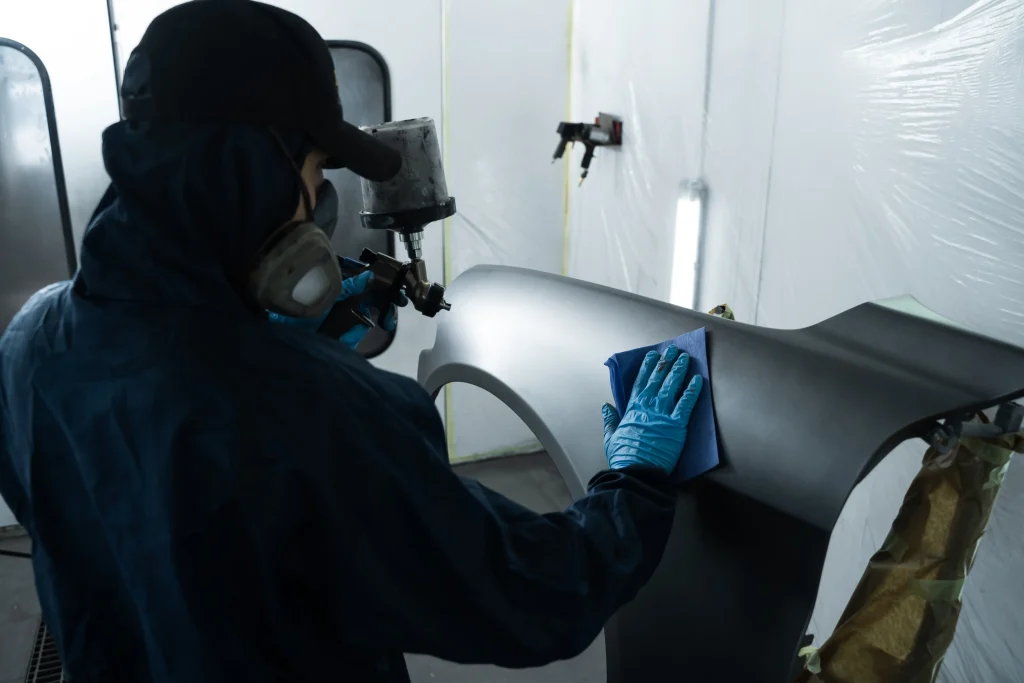
Architectural powder coating remains one of the most reliable and versatile finishing options available to commercial metal fabricators in North Carolina. When surface preparation, powder selection, application parameters, and curing are executed with precision, the result is a durable, attractive finish that meets demanding specifications and performs well in the state’s varied climate.
We partner with fabricators who value consistency, technical expertise, and responsive communication. Whether you are producing window systems for a high-rise in Charlotte, sunshades for a coastal educational facility, or structural elements for a mixed-use development in the Triangle, the right coating process protects both the metal and your reputation.
If you have a current project or are planning future work that requires architectural powder coating, reach out so we can review the requirements together. Clear early collaboration almost always produces better results, fewer surprises, and finishes that stand the test of time.
join our social networks to stay updated with our latest news and events. Don’t miss out on anything and follow our accounts today! Contact us!