Railings sit closer to eye level and hand contact than almost any other architectural metal element on a commercial building, which means their finish gets judged — and touched — far more than a rooftop bracket or a hidden structural member ever will. That visibility raises the stakes on color accuracy, gloss consistency, and long-term durability, especially on projects where railings run continuously across stairwells, balconies, or facade transitions and any variation between sections becomes immediately obvious.
This guide walks through how custom colors and finishes actually get specified and produced for architectural railings, and what design teams and contractors should understand before finalizing a finish schedule.
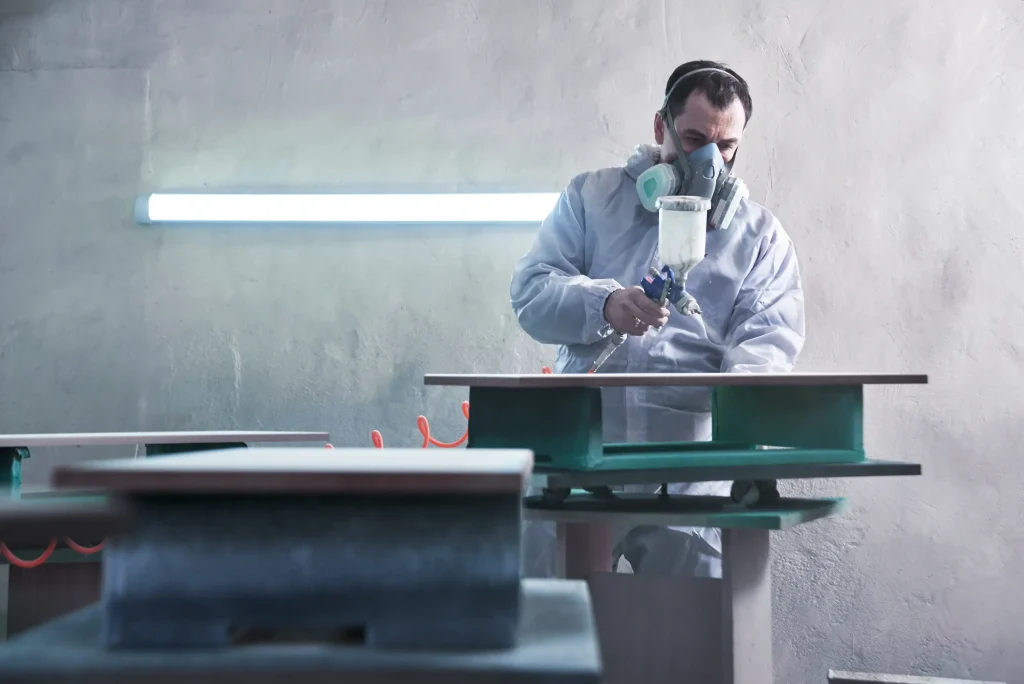
Why Railing Finishes Demand More Precision Than Other Architectural Metal
Railings receive constant hand contact, close-range visual inspection, and repeated exposure to cleaning chemicals, which means their finish specification has to account for both appearance and durability more rigorously than less-touched architectural elements. A finish that performs adequately on a rooftop bracket can fail visibly and quickly on a railing handled dozens of times a day.
We treat railing projects as a category of their own for this reason — the same base coating system used elsewhere on a building often needs a tighter specification when it’s going on a handrail.
Hand Contact and Chemical Exposure Considerations
Frequent hand contact introduces skin oils, and in commercial settings, regular cleaning with disinfectants or solvent-based products, both of which can degrade a coating’s gloss and color over time if the resin chemistry isn’t matched to that exposure. This is a different durability profile than what a facade panel or roof-mounted bracket experiences, even though both might specify the “same” powder coating on paper.
Why Color Consistency Matters More on Continuous Runs
A single railing section with a slightly off color rarely gets noticed, but a stairwell or balcony railing that runs continuously for 40 or 60 feet makes even minor color or gloss variation obvious under consistent lighting. This is why railing projects benefit from being coated in coordinated batches rather than ordered piecemeal across multiple production runs.
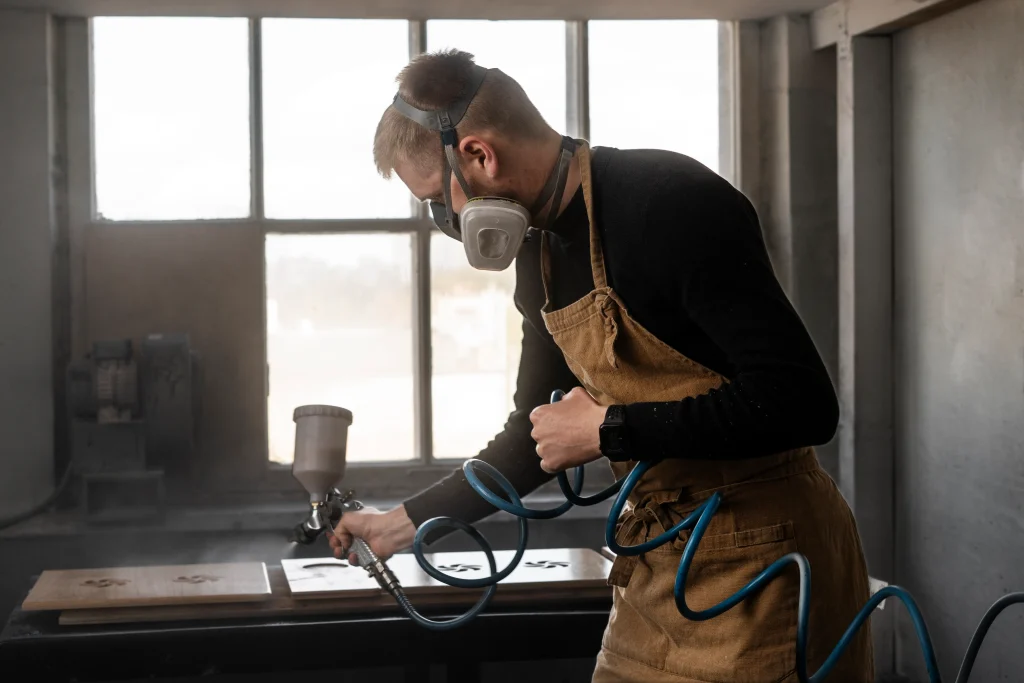
How Custom Colors Are Actually Matched and Produced
Custom powder coating colors are produced either by matching an existing color standard (RAL, architectural color systems, or a physical sample) or by formulating a fully custom blend, and the method chosen affects both lead time and batch consistency. Understanding this distinction upfront helps set realistic expectations for turnaround on a custom railing project.
Matching an Existing Standard vs. Custom Formulation
Matching to an established color standard is generally faster because the powder manufacturer already has a documented formula on file, while a fully custom color — matched from an architect’s physical sample or a brand-specific shade — requires formulation and test-panel approval before full production can begin. Projects on a tight timeline benefit from specifying a standard color system wherever the design allows, reserving custom formulation for cases where it’s genuinely necessary.
Test Panels and Approval Before Full Production
For any custom or tightly toleranced color match, we recommend running a physical test panel under the same cure schedule intended for the actual railing sections, rather than approving a color from a printed or digital sample. Powder coating color can shift slightly depending on cure temperature and film thickness, so approving the actual cured result — not a swatch — is what prevents a mismatch discovered after full production is already underway.
Metallic, Textured, and Specialty Finish Options for Railings
Beyond flat color, railings are frequently specified in metallic, mica-infused, or fine-texture finishes that add visual depth and — in the case of textured finishes — help mask handling marks and fingerprints on high-touch surfaces. Textured finishes in particular have become a common specification on commercial stairwell railings precisely because they hide the fingerprints and light scuffing that a smooth gloss finish would show immediately. We cover this decision framework in more depth in our guide on choosing the right finish for commercial applications.
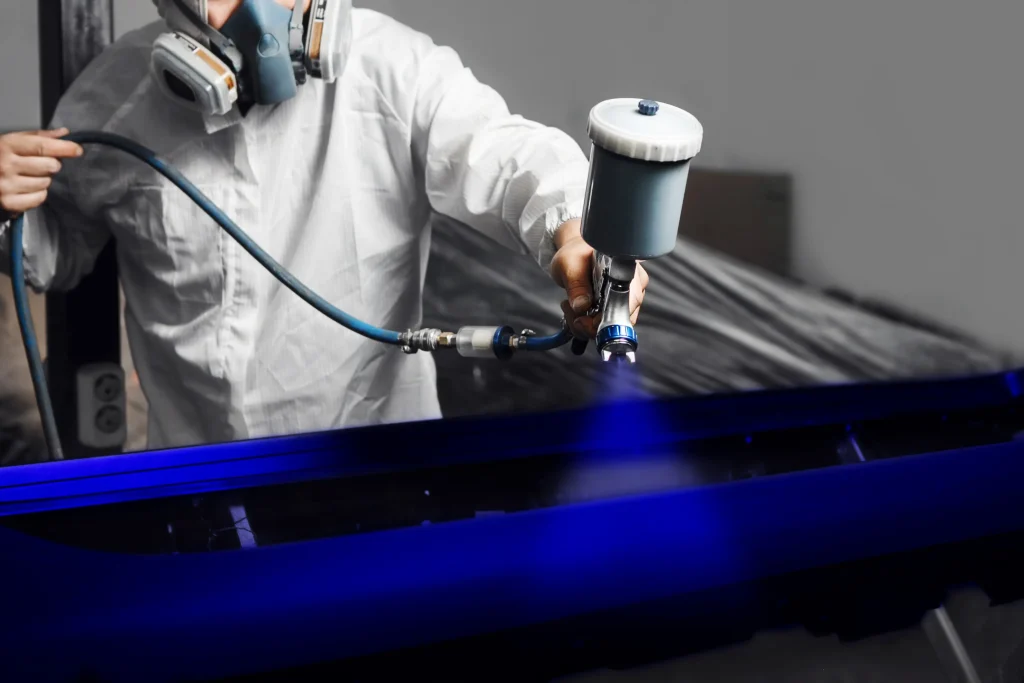
Material Considerations: Aluminum, Steel, and Wrought Iron Railings
The substrate behind a railing — aluminum, steel, or wrought iron — affects which finish systems are viable and how the cure process needs to be controlled, which is why color and finish specification can’t be fully separated from the material decision. A finish that performs well on steel doesn’t automatically transfer to an aluminum railing with the same results.
Why Aluminum Railings Require Tighter Cure Control
Aluminum’s lower melt point compared to steel means cure schedules for aluminum railing sections need to be more tightly controlled to avoid warping or distortion, particularly on thinner extruded profiles common in modern railing designs. We go into this in detail, including how part geometry affects cure time, in our dedicated guide on commercial aluminum railings and wrought iron finishing.
Preparing Wrought Iron for a Long-Lasting Finish
Wrought iron and mild steel railings, particularly on renovation projects, often carry existing rust, old paint layers, or surface pitting that needs to be fully addressed during pretreatment before a new powder finish is applied. Skipping thorough surface prep on these substrates is one of the more common reasons a refinished railing fails prematurely, regardless of how good the topcoat itself is.
Ensuring Long-Term Durability for Exterior and High-Traffic Railings
A railing finish specified without accounting for its actual exposure — direct sun, coastal salt air, or heavy foot traffic — risks premature chalking, fading, or corrosion regardless of how accurately the color was matched at delivery. Durability and color accuracy need to be specified together, not treated as separate concerns.
UV Resistance for Exterior Railing Applications
Exterior railings exposed to direct, sustained sunlight benefit from superdurable polyester or fluoropolymer resin systems that resist the chalking and color fade standard formulations are more prone to over time. This is especially relevant for darker custom colors, which tend to show UV-related fade more visibly than lighter shades. Our article on how powder coating protects outdoor steel covers the mechanics of this protection in more detail, and the same principles apply directly to railing substrates.
Verifying Cure Quality on Railing Sections
Under-cured powder coating can look identical to a properly cured finish at delivery while failing prematurely under handling and cleaning exposure — a particular risk on railings given how much direct contact they receive. Confirming that a coating vendor verifies part temperature during cure, rather than relying on oven-set temperature alone, is worth asking about directly. We explain exactly how this verification process works in our breakdown of the powder coating curing process.
Vetting a Vendor for Custom Color and Finish Work
Custom color and specialty finish work requires more from a coating vendor than a standard single-color order — color-matching capability, test panel turnaround, and batch consistency all become relevant questions. We walk through the full vendor vetting checklist in what to look for in a commercial powder coating provider, which is worth reviewing before committing a custom railing color project to a vendor.
Frequently Asked Questions
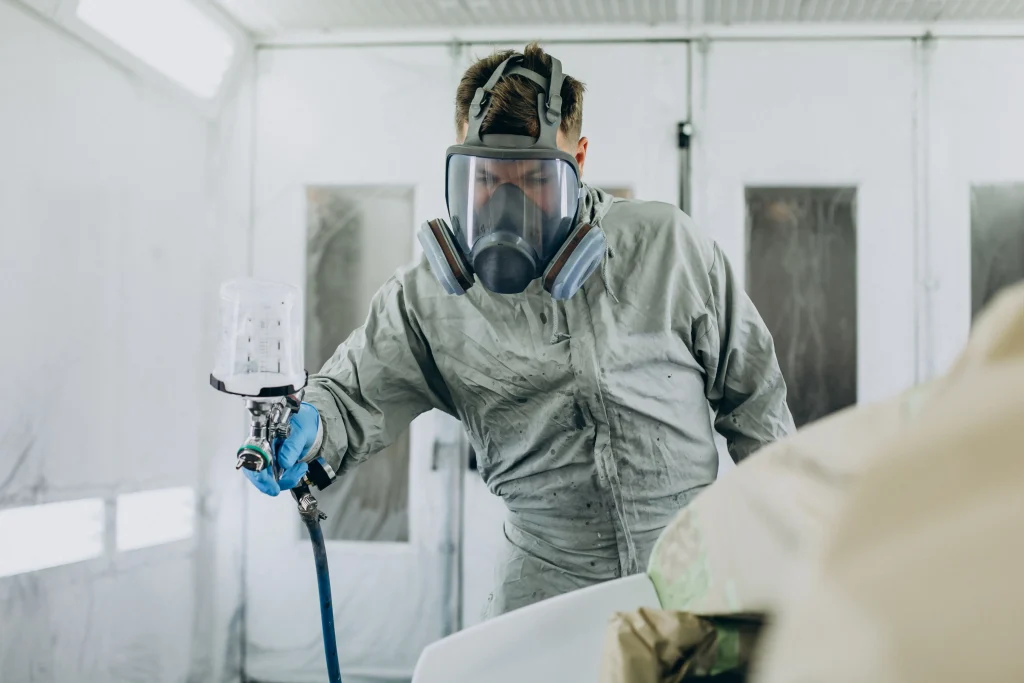
How long does a custom color match typically take for a railing project?
Matching to an existing color standard is usually faster, often completed within days, while a fully custom color formulated from a physical sample typically requires additional time for formulation and test panel approval before full production.
Do textured finishes work well for handrails and stair railings?
Yes — textured and fine-texture finishes are a common choice for high-touch railings because they help mask fingerprints and light handling marks that a smooth gloss finish would show more readily.
Can steel and aluminum railings be finished in the exact same custom color?
Yes, but both substrates should be coated through the same batch and vendor to ensure the color and gloss match, since separate production runs — even with the same formula on file — carry some risk of minor variation.
Conclusion
Custom powder coating for architectural railings comes down to treating color, finish, and substrate as one connected specification rather than three separate decisions made at different stages of a project. Railings get more scrutiny than almost any other architectural metal element on a building, which means the details that are easy to overlook elsewhere — test panel approval, cure verification, and substrate-specific prep — matter more here, not less. If you’re finalizing a custom color or finish specification for an upcoming railing project, we’re glad to review your requirements and confirm what’s achievable on your timeline and substrate.
join our social networks to stay updated with our latest news and events. Don’t miss out on anything and follow our accounts today! Contact us!
If your project involves railings, fences, or exterior metal structures in the Carolinas, Richards Powdercoat LLC offers professional powder coating for railings and fences in Fayetteville NC — applied to spec, with full surface pre-treatment and same-day quote turnaround.