If you’ve ever managed a commercial build, you already know the truth: time is the most expensive material on any job site. Every day a project runs past schedule, costs stack up — labor, equipment rental, financing, and the opportunity cost of not handing over a finished building. That’s exactly why more general contractors, architects, and metal fabricators are turning to custom fabricated aluminum systems as a way to compress timelines without compromising structural integrity or aesthetics.
In this article, we’ll walk through why aluminum has become the go-to material for time-sensitive commercial projects, how custom fabrication actually shortens the construction sequence, and what to look for when choosing a fabrication and finishing partner who can keep pace with an aggressive schedule.
Why Aluminum Is the Material of Choice for Fast-Track Projects
Aluminum isn’t just popular because it’s lightweight — although that certainly helps. It’s popular because it solves several logistical problems at once, all of which translate directly into saved days (and sometimes weeks) on a construction calendar.
Lightweight Handling Means Faster Installation
Steel components often require heavier lifting equipment, more workers per crew, and slower, more deliberate handling to avoid injury or damage. Aluminum, by contrast, can frequently be maneuvered and installed with smaller crews and lighter-duty equipment. On railings, curtain wall components, canopies, and architectural panels, this weight advantage alone can cut installation time significantly, especially on upper floors or in tight urban job sites where crane time is billed by the hour.
Reduced Structural Load Requirements
Because aluminum systems weigh less than comparable steel assemblies, they often place less demand on supporting structures. That can simplify engineering requirements and, in some cases, reduce the need for additional structural reinforcement — one more variable removed from the critical path.
Corrosion Resistance Means Fewer Callbacks
A project isn’t truly finished when the crew leaves the site — it’s finished when the owner isn’t calling six months later about rust bleeding through a railing or a panel that’s already pitting. Aluminum’s natural resistance to oxidation, especially when paired with a quality finish, dramatically reduces the likelihood of premature failure. This is a key part of understanding the long-term return on investment of using aluminum in high-corrosion environments, which is essential reading for any contractor working near coastal air, industrial runoff, or high-humidity climates.
How Custom Fabrication Shortens the Construction Sequence
The real timeline advantage doesn’t come from the raw material alone — it comes from how that material is fabricated before it ever reaches the job site.
Prefabrication Removes On-Site Guesswork
When aluminum components are custom fabricated to precise specifications off-site, installation crews aren’t cutting, drilling, or adjusting parts in the field. They’re simply bolting or welding pre-measured, pre-finished pieces into place. This shift from on-site fabrication to off-site precision manufacturing is one of the single biggest timeline compressors available to modern construction teams.
Fewer Trades, Fewer Delays
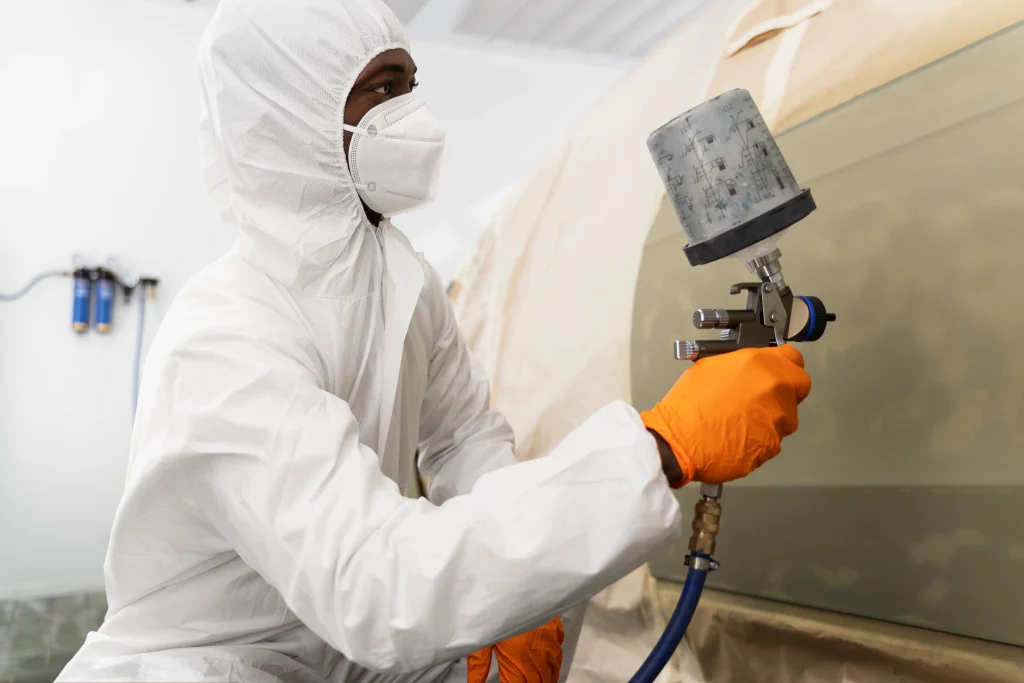
Custom fabrication also means fewer handoffs between trades. Instead of coordinating a metal shop, a finishing contractor, and an installation crew separately — each with their own scheduling constraints — a single fabrication partner can manage the sequence from raw material to finished, coated component. Fewer handoffs mean fewer opportunities for scheduling conflicts, weather delays, or miscommunication to creep into the timeline.
The Finish Matters as Much as the Fabrication
It’s worth pausing here, because this is where a lot of contractors underestimate the impact of their material choices. Not all finishes are created equal, and the wrong one can quietly add weeks to a project through rework, touch-ups, or premature degradation that requires a callback.
For architectural aluminum, the two most common finishing options are anodizing and powder coating, and knowing the difference between them matters more than most people realize — we recommend reviewing our guide to understanding anodized versus powder coated aluminum before finalizing your finish specifications, since it covers durability, color consistency, and long-term maintenance.
Thickness is another detail that’s easy to overlook but has real consequences for both durability and lead time. Before locking in your specs, it’s worth checking our breakdown comparing powder coating thickness options, since the wrong thickness can mean re-coating parts that don’t meet spec — a delay nobody wants this late in a project.
Sustainability and Compliance: A Timeline Advantage You Might Not Expect
Increasingly, commercial and institutional projects come with environmental compliance requirements baked into the contract — LEED targets, VOC restrictions, or client-mandated sustainability benchmarks. Scrambling to meet these requirements after materials have already been ordered is a fast way to blow a schedule.
Choosing Compliant Materials Early Avoids Late-Stage Delays
Aluminum is highly recyclable, and powder coating itself is a low-VOC, environmentally responsible finishing process compared to many liquid coating alternatives. Specifying these materials from the outset — rather than retrofitting a project to meet compliance standards later — keeps environmental review from becoming a bottleneck. For contractors who need to document this for a client or reviewing body, our overview of the environmental and safety advantages of powder coating is a useful reference.
Fewer Environmental Flags, Fewer Review Cycles
When your materials already meet common sustainability benchmarks, there’s simply less back-and-forth with reviewing bodies or clients who require environmental documentation — one more way that upfront material choices protect your schedule downstream.
What to Look for in a Fabrication and Finishing Partner
Not every fabricator can actually deliver on the timeline advantages we’ve described above. The theoretical benefits of aluminum only materialize when you’re working with a partner who has the capacity, precision, and finishing capability to execute on schedule.
Here’s what we’d recommend evaluating:
- In-house fabrication and finishing capability, so your project isn’t waiting on multiple vendors to coordinate schedules
- Proven turnaround times on comparable commercial projects, not just residential or small-scale work
- Quality control processes that catch thickness, adhesion, or finish issues before components leave the shop
- Experience with your specific application — railings, weldments, architectural panels, or structural components each have different fabrication considerations
A fabrication partner who understands both the metallurgy and the finishing science can act as a single point of accountability for your timeline, rather than one more variable you have to manage yourself.
Frequently Asked Questions
Does using aluminum instead of steel actually make a measurable difference in construction schedules?
Yes, in most cases. Between lighter handling requirements, reduced structural reinforcement needs, and the ability to prefabricate components off-site, projects using custom fabricated aluminum systems frequently see meaningfully shorter installation phases compared to steel-based alternatives, particularly on architectural and finish-level components.
Is powder coating durable enough for high-traffic commercial applications?
Absolutely. When applied at the appropriate thickness and cured correctly, powder coating provides excellent resistance to chipping, fading, and corrosion, making it well-suited for commercial railings, façades, and structural components that see heavy use or harsh weather exposure.
How far in advance should we order custom fabricated aluminum components to protect our project timeline?
This depends on project scope and complexity, but engaging a fabrication partner early in the design phase — rather than after materials are already specified — gives the shop time to plan production, avoid rush fees, and integrate finishing into the fabrication schedule rather than treating it as an afterthought.
Conclusion

At the end of the day, construction timelines are won or lost in the details — the material chosen, the fabrication process behind it, and the finishing decisions that determine whether a project needs revisiting six months down the road. Custom fabricated aluminum systems offer a genuine, measurable advantage on all three fronts: lighter handling, streamlined off-site fabrication, and finishes engineered for long-term performance.
join our social networks to stay updated with our latest news and events. Don’t miss out on anything and follow our accounts today! Contact us!