When a project sits within a mile of saltwater, a coastal breeze, or a heavy industrial corridor, the material decision made in the specification phase determines whether a structure needs attention in five years or fifteen. Commercial projects in high-corrosion zones increasingly turn to aluminum, and we understand why: the metal’s natural resistance to rust, paired with the right finishing process, produces a return on investment that steel simply cannot match in the same conditions. In this guide, we break down the real numbers behind that decision — material cost, maintenance savings, and finish longevity — so you can make a specification choice backed by data rather than assumption.
Below, we walk through where aluminum earns its keep, where it doesn’t, and how the right coating system multiplies its advantage.
Why Aluminum Performs Differently in Corrosive Conditions
Aluminum naturally forms a thin oxide layer on its surface the moment it’s exposed to air, and that layer — unlike rust on steel — actually protects the metal underneath rather than flaking away and exposing fresh material to further corrosion. This single property is the foundation of aluminum’s ROI advantage in coastal, industrial, and high-humidity commercial settings.
The Self-Protecting Oxide Layer Explained
Steel corrosion is progressive: once rust forms, it continues eating into the base metal, weakening structural integrity over time. Aluminum’s oxide layer, by contrast, is stable and self-limiting — it forms, seals the surface, and stops. That means an aluminum component exposed to salt air or industrial runoff degrades at a dramatically slower rate than an untreated steel equivalent, even before any coating is applied.
Where Aluminum’s Advantage Matters Most
The advantage compounds in specific environments: coastal facilities, chemical processing plants, water treatment structures, and any application exposed to road salt or de-icing chemicals. In these settings, we consistently see aluminum components require far less intervention over a 10-to-15-year window than comparable steel parts, which translates directly into lower lifecycle maintenance spend.
Calculating the True ROI of Aluminum vs. Alternative Metals
A lower sticker price on raw steel is deceptive if the total cost of ownership tells a different story once maintenance, recoating, and premature replacement enter the equation. Real ROI on a commercial metal specification has to account for the full service life of the component, not just the invoice from the initial order.
Upfront Material Cost vs. Lifecycle Cost
Aluminum typically carries a higher raw material cost than mild steel — often 20% to 40% more per pound, depending on market conditions. But when we model total cost across a 15-year service window in a high-corrosion environment, that gap narrows or reverses entirely once you factor in steel’s higher recoating frequency, more frequent rust remediation, and shorter effective lifespan. Our detailed breakdown of cost factors in commercial steel powder coating is a useful comparison point when you’re weighing steel-plus-coating against aluminum-plus-coating for the same application.
Maintenance Frequency and Downtime Savings
Every recoat cycle on an installed structure — railings, balconies, structural trim — carries not just material and labor cost but also access costs, scaffolding, and in occupied buildings, tenant disruption. Aluminum components in high-corrosion zones typically stretch the interval between major maintenance interventions, which is where a large share of the ROI actually shows up on a facilities budget.
Structural Longevity in Coastal and Industrial Zones
For components exposed to constant salt spray or chemical vapor, the difference between an aluminum and steel substrate can mean the difference between a 20-year service life and an 8-to-10-year one before structural replacement becomes necessary. That gap alone often justifies the higher initial material cost on its own.
Powder Coating as an ROI Multiplier for Aluminum
Aluminum’s natural resistance is a strong starting point, but it is not a finished answer on its own — cosmetic consistency, additional corrosion protection, and UV stability still depend on the finish applied over it. This is where a properly specified coating system compounds aluminum’s inherent advantages rather than simply sitting on top of them.
Extending Service Life With the Right Finish
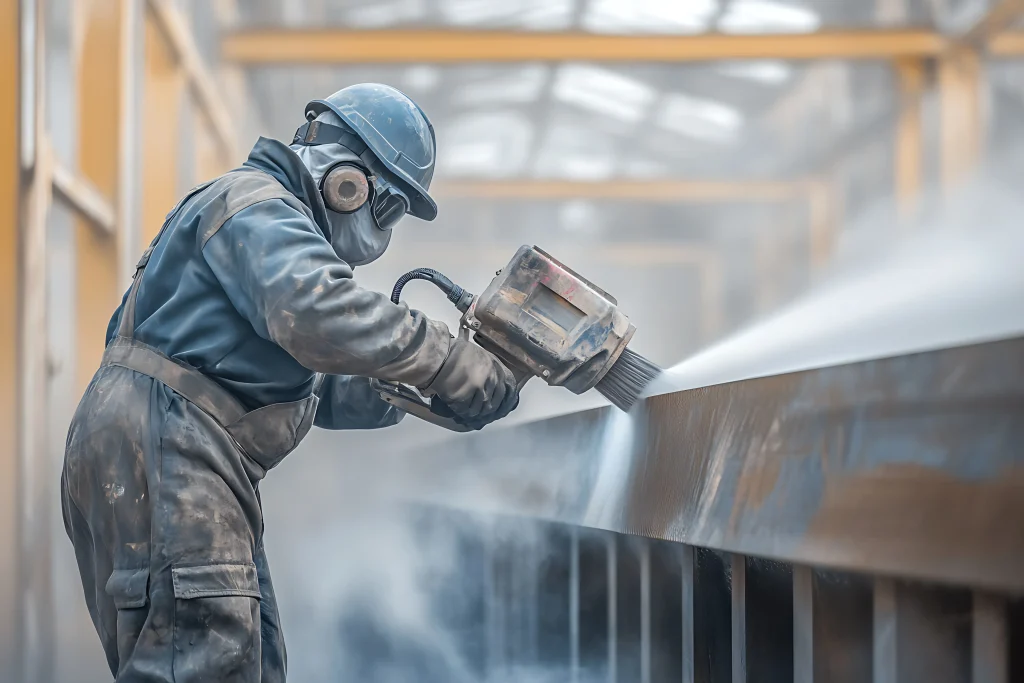
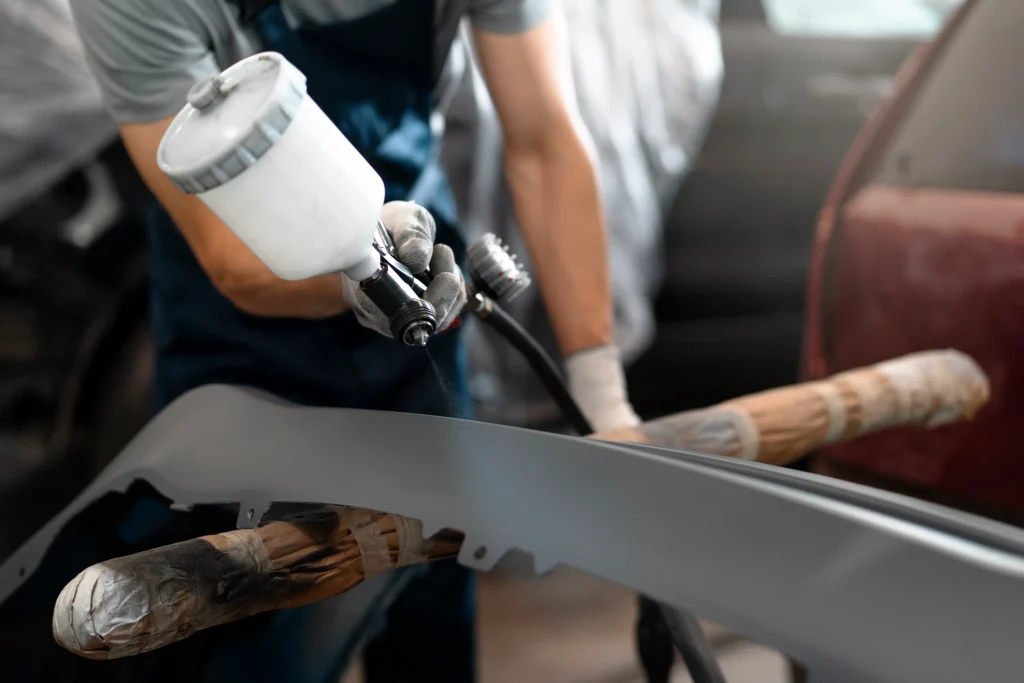
A correctly cured powder coating adds a durable barrier layer that protects against surface pitting, UV degradation, and cosmetic fade, all of which extend the effective service life of an aluminum component well beyond what the bare metal would achieve alone. We cover exactly how this compounding effect works in our guide to how powder coating extends the lifespan of metal components, which applies directly to aluminum substrates in high-exposure settings.
Matching Finish Performance to Exposure Level
Not every environment demands the same finish spec. A coastal-facing façade element needs a different resin system and film thickness than an interior aluminum trim piece, and matching that spec to actual exposure is where the real weathering performance comes from. Our breakdown of weather resistance in powder coated steel outlines the same principles that apply when selecting a finish system for aluminum in demanding climates.
Where Aluminum Delivers the Strongest ROI on Commercial Projects
Certain applications consistently show the clearest payback period for choosing aluminum over steel, particularly where code compliance, safety inspection cycles, and public-facing durability all intersect.
Multi-Family and Architectural Applications
Balconies, guardrails, and exterior architectural elements on multi-family housing carry strict safety and inspection requirements precisely because corrosion-related failure in these components is a liability issue, not just a cosmetic one. Aluminum’s resistance to progressive corrosion makes it a strong fit here, and we detail the compliance side of this decision in our guide to multi-family housing balcony regulations, which many architects and contractors reference when specifying material for these components.
Fabrication Shops Standardizing on Aluminum
Fabricators working across multiple project types increasingly standardize on aluminum for corrosion-prone applications because it reduces callback risk and warranty exposure across their portfolio. The broader reasoning behind this shift toward powder-coated aluminum and steel alike is covered in our article on why metal fabricators choose powder coating, which applies equally to shops making substrate decisions on high-corrosion jobs.
Frequently Asked Questions
Is aluminum always a better ROI than steel for commercial projects?
Not always. In low-corrosion, interior, or purely structural load-bearing applications, steel’s lower cost and higher strength-to-weight ratio for certain uses can make it the better financial choice. Aluminum’s ROI advantage is strongest specifically in high-corrosion, coastal, or chemically exposed environments.
Does aluminum still need a protective coating if it naturally resists corrosion?
Yes. The natural oxide layer protects against corrosion but not against UV fading, surface pitting, or cosmetic inconsistency over time. A properly applied powder coating adds durability and a consistent finish that bare aluminum cannot maintain on its own in demanding conditions.
How much longer does a powder-coated aluminum component last compared to an uncoated one in coastal environments?
While the exact figure depends on exposure severity and film thickness, a correctly specified coating system commonly adds several years to a decade of additional service life by protecting against pitting and UV degradation that would otherwise accelerate wear on bare aluminum.
Conclusion
The ROI case for aluminum in high-corrosion commercial environments isn’t built on a single number — it’s built on the compounding effect of slower corrosion, fewer maintenance cycles, and a longer effective service life once the right coating system is layered on top. When we help clients evaluate material specifications for coastal, industrial, or multi-family projects, the total lifecycle cost consistently favors aluminum in exactly these conditions. If you’re weighing material and finish decisions on an upcoming project, we’re ready to run the exposure analysis and recommend the coating system that gets the most service life out of your investment.
join our social networks to stay updated with our latest news and events. Don’t miss out on anything and follow our accounts today! Contact us!