Ask any general contractor or project manager what keeps them up at night on a commercial build, and scheduling will almost always be near the top of the list. Powder coating is one of those finishing steps that can either move seamlessly through a project timeline or become an unexpected bottleneck — and the difference almost always comes down to how early it’s planned for, not how fast the coating line itself runs.
In this article, we break down what actually drives powder coating turnaround times, how to build coating into a realistic project schedule, and what contractors can do upfront to avoid the delays that so often catch procurement teams off guard. If you’re coordinating a commercial fabrication project with multiple trades and a hard completion date, this is the information we wish more contractors had before the schedule was already locked.
What Actually Determines Powder Coating Turnaround Time
There’s a common misconception that powder coating turnaround is simply a function of how busy a coating shop is that week. In reality, turnaround time is shaped by several variables working together, and understanding them helps contractors set realistic expectations instead of guessing.
Part Volume and Batch Scheduling
Powder coating is inherently a batch process. Parts are grouped by color, size, and pretreatment requirements to maximize oven and booth efficiency. A small order of a few brackets might get folded into an existing batch and turned around quickly, while a large volume of custom fabricated components — railings, panels, structural steel — often needs its own dedicated batch run. This is one of the biggest reasons we encourage contractors to share full project scope upfront rather than submitting orders piecemeal, since batching efficiently is often what separates a two-day turnaround from a two-week one.
Pretreatment and Surface Preparation Requirements
Before a single part goes into the booth, it has to be properly cleaned, degreased, and pretreated to ensure the coating bonds correctly and resists corrosion long-term. The complexity of this stage depends heavily on the base material and its prior condition — raw steel with mill scale requires more preparation than pre-cleaned aluminum extrusions, for example. Projects involving custom fabricated aluminum systems often move through pretreatment more predictably because the material arrives in a more consistent, coating-ready state.
Color Changes and Custom Formulations
Standard stock colors typically move through production faster because the booth is already calibrated and the powder is on hand. Custom color matches, however, require additional lead time for formulation, testing, and booth changeover — a detail that’s easy to overlook when a project spec calls for a specific architectural or brand color rather than a standard finish.
Part Geometry and Masking Requirements
Complex geometries with recesses, threaded holes, or areas that must remain uncoated require masking before the part enters the booth. This step adds labor time that isn’t always visible in a simple quote, but it directly affects how quickly a batch can move from pretreatment to cure.
Building Powder Coating Into Your Project Schedule
The contractors who avoid finishing-related delays aren’t the ones who found a faster coating shop — they’re the ones who scheduled the coating process correctly from the start. This means treating powder coating as its own scheduled trade, with its own lead time, rather than an afterthought squeezed in between fabrication and installation.
Sequencing Fabrication and Finishing
One of the most common scheduling mistakes we see is treating fabrication and finishing as a single combined timeline, when in reality they’re sequential processes with a handoff point that needs buffer time built in. Fabrication delays — even minor ones — push directly into the finishing window, and if that window was already tight, the entire project timeline absorbs the impact. Reviewing a contractor’s checklist for sourcing finishing partners early in the project can help identify realistic lead times before they become a scheduling emergency.
Coordinating Delivery Logistics
Turnaround time isn’t just about time in the booth — it includes transportation to and from the coating facility. For large or heavy fabricated components, freight scheduling can add days to the overall timeline, particularly if a single truckload needs to accommodate an entire batch of parts. Building this logistics window into the schedule, rather than assuming coated parts will be ready for pickup the moment the job is quoted, prevents last-minute surprises.
Planning for Weather and Site Conditions
For exterior architectural and structural components, project teams sometimes forget that coated parts need appropriate site conditions for installation — particularly around temperature and moisture if any on-site touch-up work is required. Factoring this into the broader schedule, especially for projects running into colder months, helps avoid installation delays after the parts are already finished and delivered.
Why Finish Selection Affects Scheduling, Not Just Aesthetics
It’s worth noting that the type of finish specified can itself influence turnaround time and, by extension, project scheduling. This is a detail that’s frequently overlooked during the design phase, long before scheduling conversations even begin.
Powder Coating vs. Anodizing Lead Times
Powder coating and anodizing are both excellent finishing options, but they involve different processes with different scheduling implications. Powder coating offers broad flexibility in color and generally accommodates a wider range of substrates and part geometries, while anodizing is specific to aluminum and involves an electrochemical process with its own distinct production flow. Understanding the differences between anodized and powder coated finishes early in the design phase helps project teams choose the option that fits both their performance requirements and their timeline.
Material Choice and Long-Term Scheduling Value
Material selection also plays into long-term project value, not just initial turnaround. Components specified in corrosion-resistant materials tend to require less rework, fewer warranty callbacks, and less recoating down the line — a factor we discuss in more detail in our breakdown of the ROI of using aluminum in high-corrosion environments. Fewer callbacks means fewer unplanned disruptions to future project schedules, which is a scheduling benefit that’s easy to underestimate at the specification stage.
Environmental and Safety Considerations in Scheduling
Coating processes with strong environmental and safety profiles — such as powder coating’s low-VOC, solvent-free application — also tend to have more predictable regulatory and handling requirements, which supports more reliable scheduling. We cover this in greater depth in our discussion of the environmental and safety advantages of powder coating for commercial applications.
How to Get an Accurate Turnaround Estimate From Your Coating Partner
The most reliable way to protect a project schedule is to get a realistic, project-specific turnaround estimate — not a generic industry average. This means providing a coating partner with complete information upfront: total part volume, material type, color requirements, masking needs, and the hard deadline the schedule is built around.
We’ve found that projects go smoothest when this conversation happens before fabrication is finalized, not after parts are already sitting in a staging yard waiting on a coating slot. A finishing partner who understands the full scope of a project can flag potential scheduling conflicts early — whether that’s a custom color requiring extra lead time or a batch size that needs to be split across two production runs.
Frequently Asked Questions
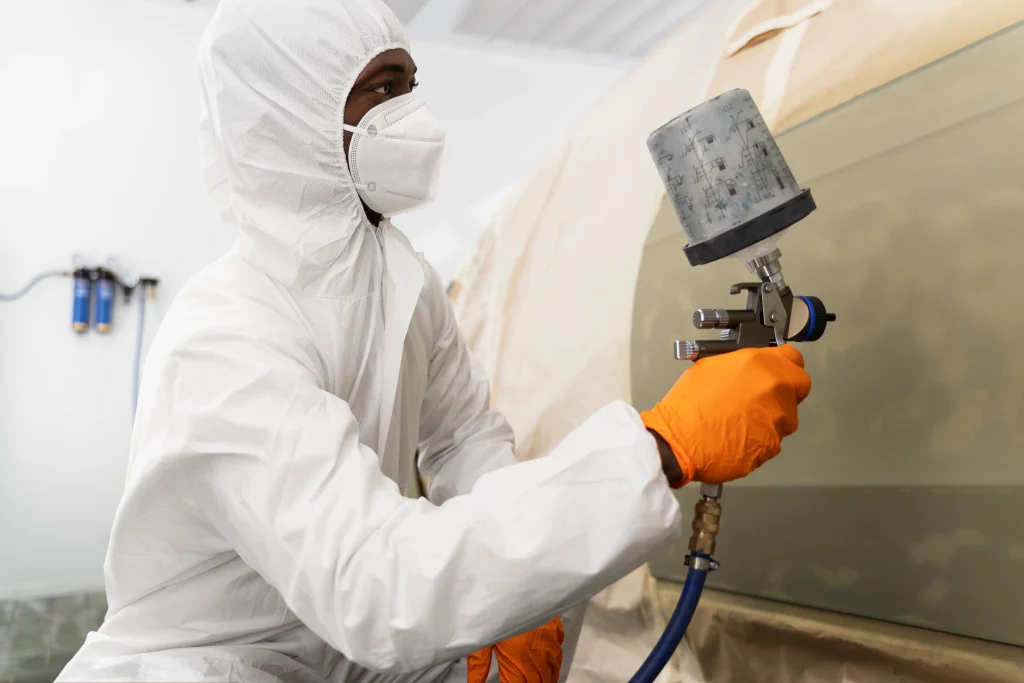
How long does commercial powder coating typically take?
Turnaround varies based on part volume, material, and finish complexity, but many commercial projects can expect anywhere from a few days for smaller batches to two or more weeks for large custom orders, especially those requiring custom color matching or extensive masking.
Does a custom color slow down the powder coating process?
Yes, typically. Custom color matches require additional formulation and testing time compared to standard stock colors, and they often require a dedicated booth changeover, both of which add to overall turnaround time.
When should powder coating be scheduled in a commercial project timeline?
Powder coating should be scheduled as early as possible, ideally during the design and material specification phase, rather than after fabrication is already underway. This allows the finishing partner to flag batch size, color, or masking considerations before they become a source of delay.
Conclusion
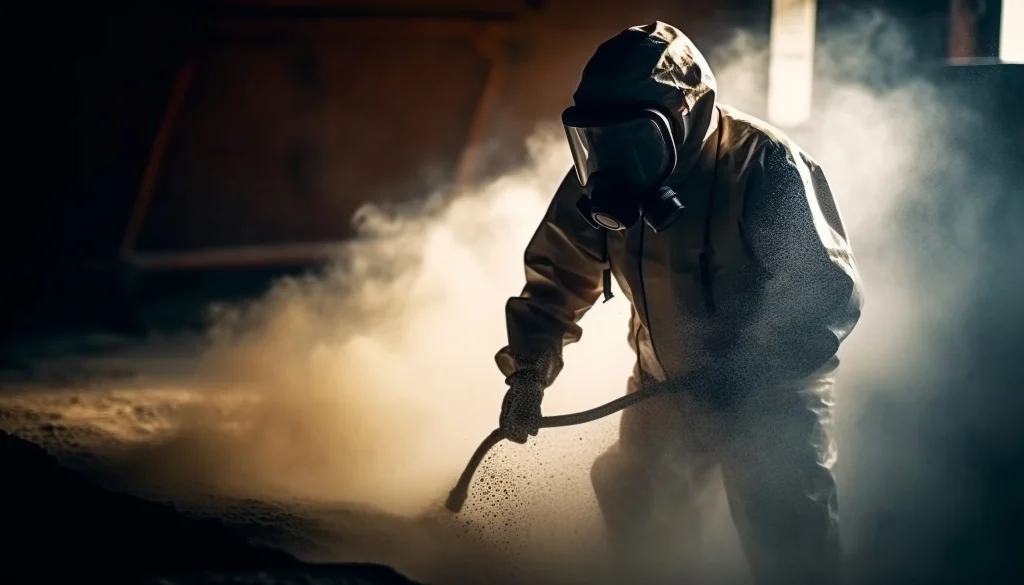
Powder coating turnaround time isn’t a fixed number — it’s the result of several interconnected factors, from batch scheduling and pretreatment complexity to color selection and delivery logistics. The contractors who avoid finishing-related delays are the ones who treat powder coating as an integrated part of the project schedule from day one, not a last-minute step squeezed in before installation.
join our social networks to stay updated with our latest news and events. Don’t miss out on anything and follow our accounts today! Contact us!
For commercial projects involving canopies, stairs, or architectural metalwork in North Carolina, Richards Powdercoat LLC specializes in commercial canopy powder coating in NC — including small stairs and structural components applied to specification.