Every general contractor and metal subcontractor eventually runs into the same scheduling problem: structural steel is fabricated, delivered, and installed on a tight timeline, but the finishing step gets specified late — or worse, gets treated as a line item to sort out after the steel is already on-site. On commercial construction projects, that sequencing mistake is one of the most common sources of schedule delays, mismatched finishes, and change orders that show up during closeout.
This checklist walks through what construction teams and metal subcontractors should confirm before steel goes out for finishing, so the coating step supports the project timeline instead of derailing it.
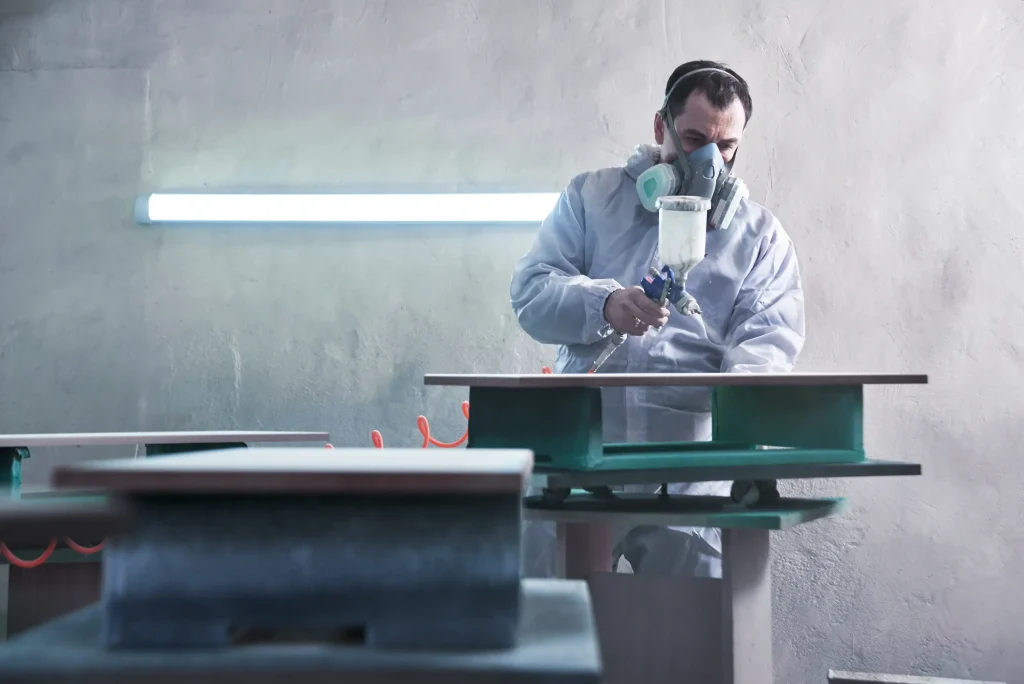
Why Finishing Gets Overlooked in Construction Scheduling
Steel finishing is frequently treated as the fabricator’s or coating vendor’s problem rather than a scheduled construction milestone, which is why it becomes a bottleneck when lead times weren’t confirmed early enough in the project timeline. On a typical commercial job, structural and architectural steel might pass through three or four hands — fabricator, coating vendor, delivery, and installer — and a gap at any one handoff point pushes the entire schedule back.
We see this most often on projects where the general contractor assumes the coating step takes as long as the fabrication step, when in practice batch size, part geometry, and finish specification all affect coating turnaround independently of how long fabrication took.
The Real Cost of Late-Stage Finish Changes
A finish change requested after steel has already been fabricated — a different gloss level, a color adjustment, or a switch from liquid paint to powder coating — almost always means re-running the piece through pretreatment and coating from scratch. On a commercial timeline, that kind of late-stage change can add a full production cycle to the schedule, which is why locking the finish specification early is a scheduling decision, not just a design one.
Coordinating Coating Turnaround With Installation Dates
Construction schedules are usually built backward from an installation date, but coating turnaround time depends on current shop capacity, not just the size of a single order. Confirming turnaround directly with the coating vendor — rather than assuming a standard lead time — is one of the simplest ways subcontractors avoid installation delays.
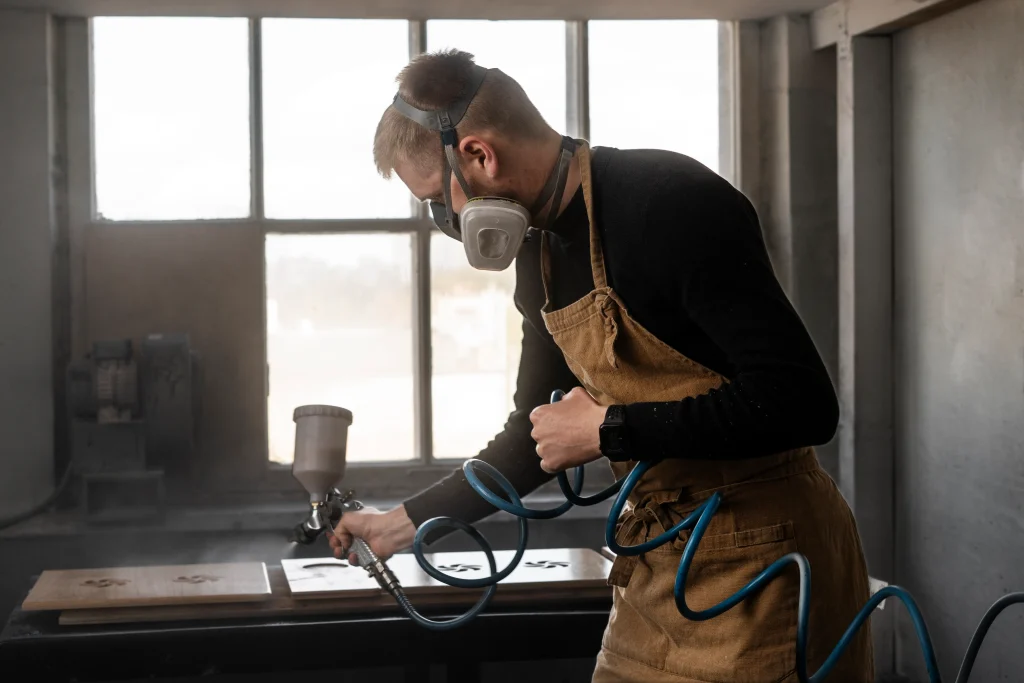
Pre-Finishing Checklist: What to Confirm Before Steel Leaves the Fabrication Shop
Before structural or architectural steel is sent for finishing, construction teams should confirm substrate condition, finish specification, and batch logistics — three checkpoints that, if skipped, are the most common sources of rework on commercial projects. Running through this checklist at the fabrication handoff point catches problems while they’re still cheap to fix.
Confirming Substrate Condition and Weld Cleanup
Weld splatter, mill scale, and grinding residue all interfere with pretreatment chemistry if they’re not addressed before steel arrives at the coating facility. Subcontractors should confirm with the fabricator that parts have been properly deburred and cleaned, since a coating vendor discovering this issue on receipt typically means a delay while the parts are cleaned up before pretreatment can begin.
Locking In the Finish Specification Before Production Begins
A finish schedule that simply lists a color name leaves gloss level, resin type, and film thickness open to interpretation — and different interpretations between the GC, the architect, and the coating vendor is exactly how mismatched finishes end up on a punch list. We break down how to build a complete, unambiguous finish specification in our guide on choosing the right finish for commercial applications.
Matching Finishes Across Steel and Aluminum Components
Commercial projects frequently combine structural steel with aluminum railings, trim, or facade accents, and getting these substrates to match visually requires specifying both through the same finish batch rather than assuming separate orders will match automatically. This comes up often on projects that pair structural steel with commercial aluminum railings and wrought iron finishing, where a mismatch between the two substrates is one of the more visible — and avoidable — punch-list items on a project.
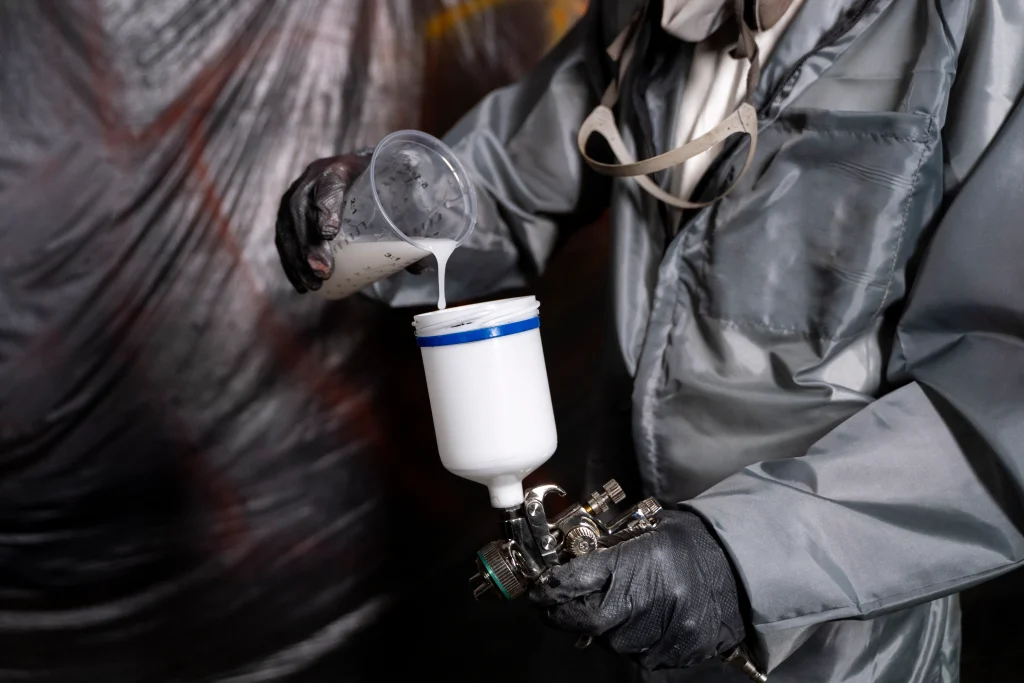
Understanding the Coating Process So You Can Plan Around It
Construction teams don’t need to become coating experts, but understanding the basic mechanics of cure time and batch capacity makes it much easier to build a realistic finishing timeline into the overall project schedule. A few technical basics go a long way toward avoiding unrealistic turnaround expectations.
Why Cure Time Isn’t a Fixed Number
Powder coating cure time depends on part mass and geometry, not a single fixed oven cycle — a thick structural beam and a thin sheet component reach cure temperature at different rates even in the same oven load. This means a coating vendor’s quoted turnaround has to account for the specific parts in a given order, not a generic industry average. Our detailed explanation of the powder coating curing process covers exactly how this works, which is useful context to share internally when a project timeline is being built.
How Batch Size Affects Turnaround and Color Consistency
Large commercial orders — full structural steel packages or long runs of matching railing sections — need to be planned around a coating vendor’s oven capacity, since running a large order across multiple smaller batches increases the risk of lot-to-lot color or gloss variation. Confirming batch capacity upfront, alongside turnaround time, prevents both a scheduling surprise and a visual consistency problem down the line.

Protecting Steel for Long-Term Performance, Not Just Initial Appearance
A finish specification that only accounts for how steel looks at project closeout misses the point — commercial steel finishing should be specified for how the part will perform over 10 to 20 years of real exposure conditions. This is where construction teams benefit most from involving a coating vendor early rather than treating the finish as a cosmetic checkbox.
Corrosion Resistance for Exterior and Structural Applications
Exterior structural steel and architectural components need pretreatment and film thickness specified for their actual exposure conditions — coastal salt exposure, industrial contaminants, or standard weathering all call for different specifications. We cover the mechanics of long-term corrosion protection in our article on how powder coating protects outdoor steel, which is worth reviewing before finalizing an exterior finish spec.
Vetting a Coating Vendor for Commercial-Scale Construction Work
Not every coating shop is equipped to handle commercial construction volume and turnaround requirements. Before committing a project’s finishing work to a vendor, it’s worth confirming their pretreatment process, batch capacity, and quality testing protocol directly — questions we walk through in full in what to look for in a commercial powder coating provider.
Frequently Asked Questions
When should steel finishing be specified in a construction project timeline?
Ideally during design development or early construction documents — locking in the finish specification before fabrication begins prevents the schedule delays and rework that come from late-stage finish changes.
How much lead time should subcontractors build in for commercial powder coating?
Lead time depends on part geometry, batch size, and current shop capacity, so it’s best confirmed directly with the coating vendor rather than assumed from a standard industry timeline.
Can steel and aluminum components be finished to match on the same project?
Yes, but they should be specified and coated through the same vendor and batch process to ensure consistent color and gloss, rather than ordered separately and assumed to match.
Conclusion
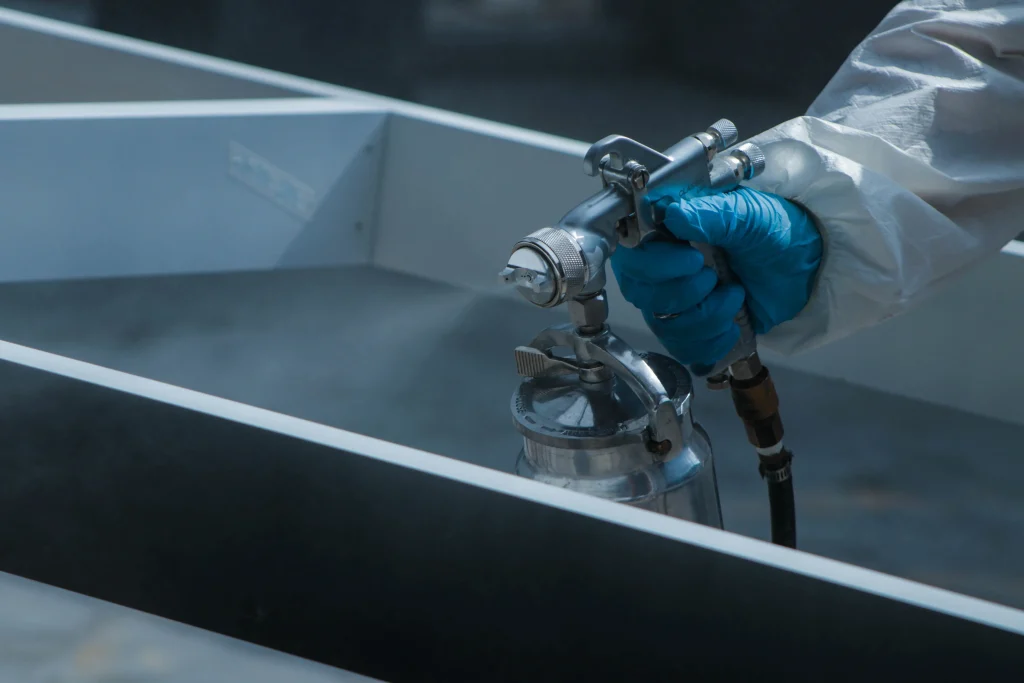
Commercial steel finishing runs smoothly when it’s treated as a scheduled construction milestone with its own lead time and specification requirements — not an afterthought handled once steel is already fabricated and on-site. The checklist items that matter most are the ones that catch problems early: confirmed substrate condition, a fully specified finish schedule, and a coating vendor turnaround time that’s verified rather than assumed. If your project involves structural steel, architectural components, or matching aluminum accents that need to move through finishing on a tight construction schedule, we’re glad to review your timeline and confirm what’s realistic before the steel leaves the fabrication shop.
join our social networks to stay updated with our latest news and events. Don’t miss out on anything and follow our accounts today! Contact us!