Custom steel fabrication shops field the same question from almost every commercial client: once the welding and grinding are done, what’s the best way to finish it? Liquid paint is still common, but for fabricators building brackets, stair stringers, structural frames, or architectural steel components, powder coating has become the default specification for a reason that goes beyond appearance. It changes how the part performs in the field, not just how it looks on delivery day.
This guide breaks down what powder coating actually does for a fabricated steel part — mechanically, chemically, and financially — and what fabrication shops and their clients should know before adding it to a project spec.
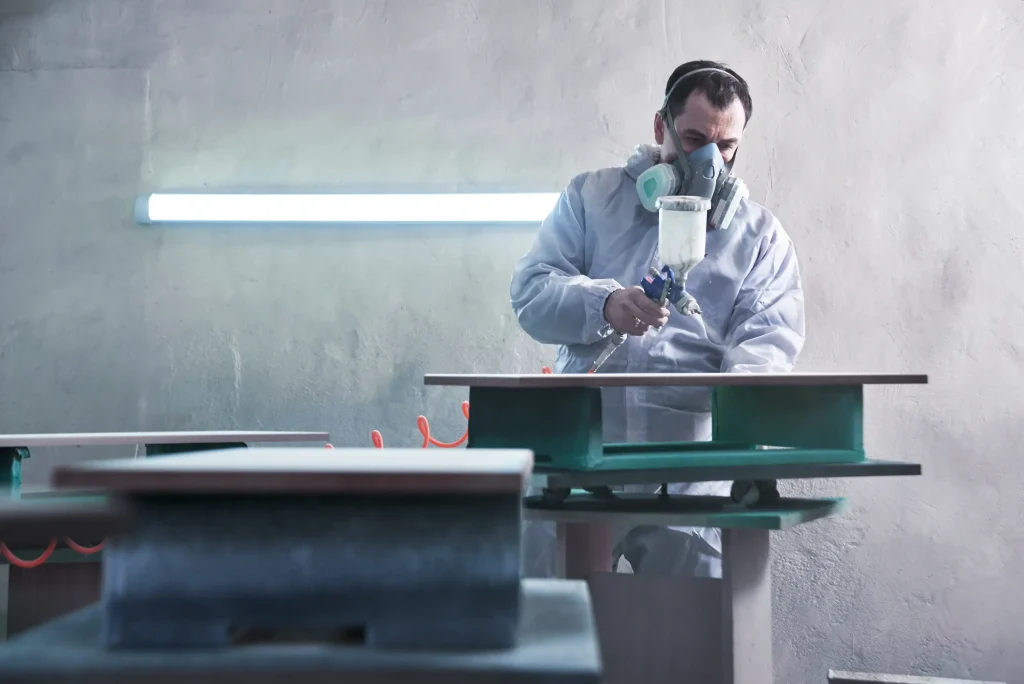
Why Powder Coating Outperforms Liquid Paint on Fabricated Steel
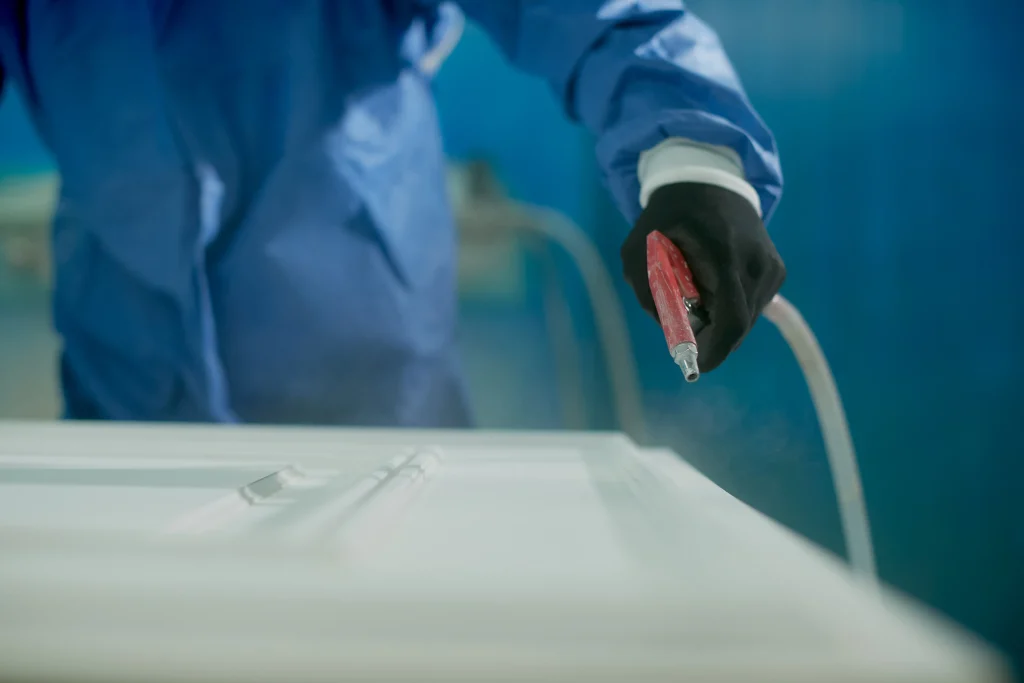
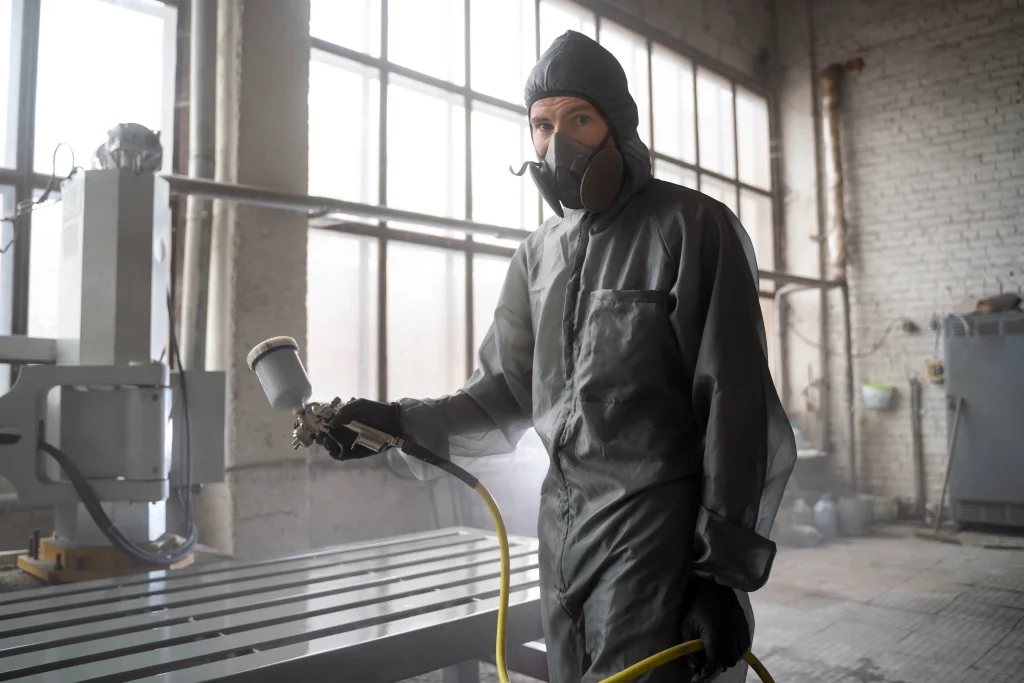
Powder coating applies an electrostatically charged dry powder that is then heat-cured into a continuous, cross-linked film — a fundamentally different process from liquid paint, which dries through solvent evaporation and stays chemically softer as a result. That process difference is what gives powder-coated steel its resistance to chipping, scratching, and chemical exposure, which matters more on fabricated parts than on flat sheet stock.
We tell fabrication clients the same thing consistently: the finish isn’t a cosmetic afterthought on a welded steel assembly — it’s the layer standing between the base metal and everything the part will be exposed to for the next 10 to 20 years.
Impact and Abrasion Resistance on Welded Assemblies
Fabricated steel parts — brackets, frames, railings, equipment enclosures — take more physical abuse during installation and daily use than flat architectural panels do. Powder coating’s cured film is harder and more flexible under impact than liquid paint, which resists chipping at bolt holes, weld seams, and handling points where liquid paint commonly fails first.
Chemical and Solvent Resistance for Industrial Environments
Fabricated steel destined for industrial or commercial settings is frequently exposed to cleaning chemicals, fuels, or airborne contaminants that degrade standard liquid coatings over time. A properly cured powder finish resists these exposures significantly better, which is one reason powder coating has become the standard specification for equipment frames and industrial fabrication work rather than an upgrade option.
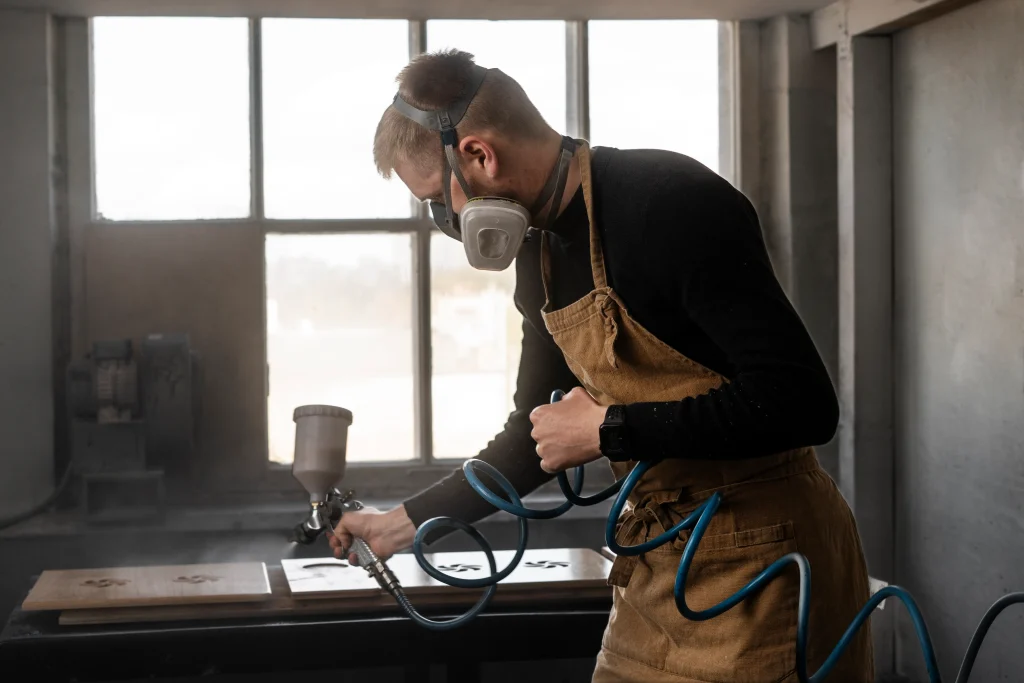
How the Curing Process Shapes Long-Term Coating Performance
Powder coating cure quality — not just the powder formulation itself — determines whether a fabricated steel part holds its finish for the long term, since an under-cured film can look identical to a properly cured one at delivery while failing prematurely in the field. This is a step fabrication clients rarely ask about, but it’s the one that matters most for durability.
Why Weld Seams and Part Geometry Affect Cure Time
Welded steel assemblies rarely have uniform mass, which means thick weld joints and thin sheet sections heat up at different rates inside the same oven cycle. A cure schedule set for the thinnest section of a part can leave thicker weld areas under-cured, which is why part-specific temperature verification matters more on complex fabricated assemblies than on simple flat stock. We cover exactly how this works, including the difference between surface cure and full cross-linking, in our detailed breakdown of the powder coating curing process.
Pre-Weld Cleanup and Its Effect on Coating Adhesion
Weld splatter, slag residue, and heat-affected discoloration all interfere with pretreatment chemistry if they aren’t fully removed before a part goes into the coating line. Fabrication shops that build cleanup and deburring into their process — rather than treating it as the coating vendor’s problem — consistently see better adhesion results and fewer field callbacks.
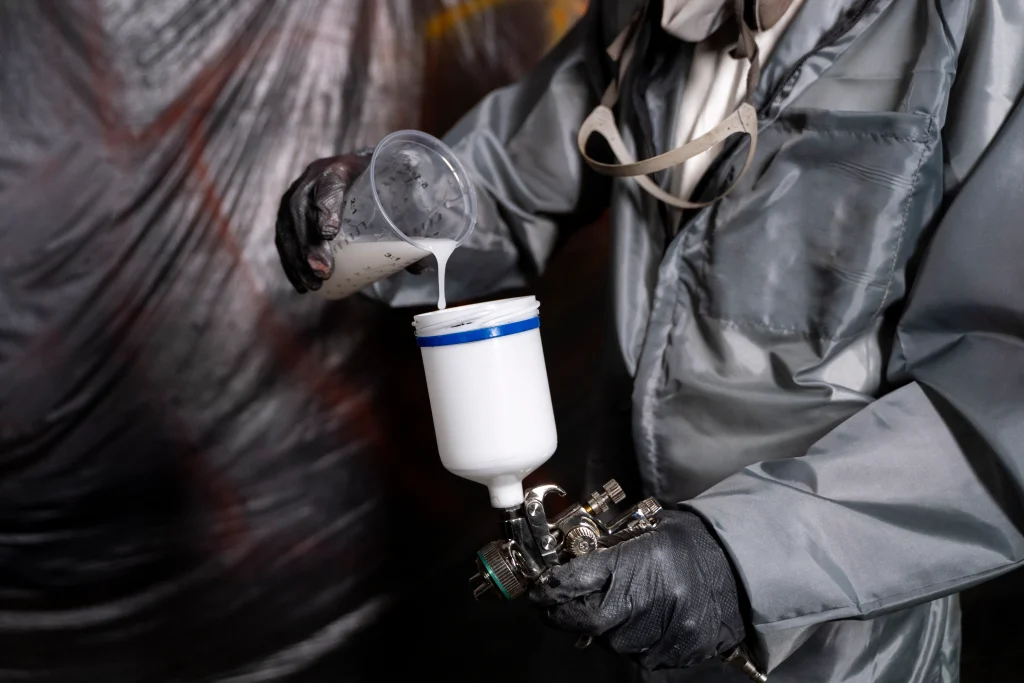
Selecting the Right Finish for Custom Steel Applications
The right powder coating finish for a fabricated steel project depends on where the part will live — interior equipment, exterior structural steel, or architectural-facing components each call for a different resin and gloss specification. Treating finish selection as a single checkbox on a fabrication order sheet is where a lot of commercial projects end up with a finish that underperforms for its actual exposure conditions.
Matching Gloss Level to Part Function
Gloss finishes highlight color depth and are common on visible architectural steel, but they also show handling marks and scratches more readily — a real consideration on parts that get handled frequently during installation. Satin and matte finishes hide these imperfections better, which is why they show up more often on structural and industrial fabrication work where appearance matters less than field durability. Our full breakdown of these trade-offs is available in choosing the right finish for commercial applications.
Coordinating Steel and Aluminum Finishes on Mixed-Material Projects
Custom fabrication projects increasingly combine steel structural components with aluminum accents — railings, trim, or panel infill — and getting these to match visually requires coordinating both substrates through the same finish specification rather than treating them as separate line items. We see this most often on projects that pair structural steel framing with commercial aluminum railings and wrought iron finishing, where mismatched gloss or color between the two substrates becomes an obvious punch-list item if it isn’t specified up front.
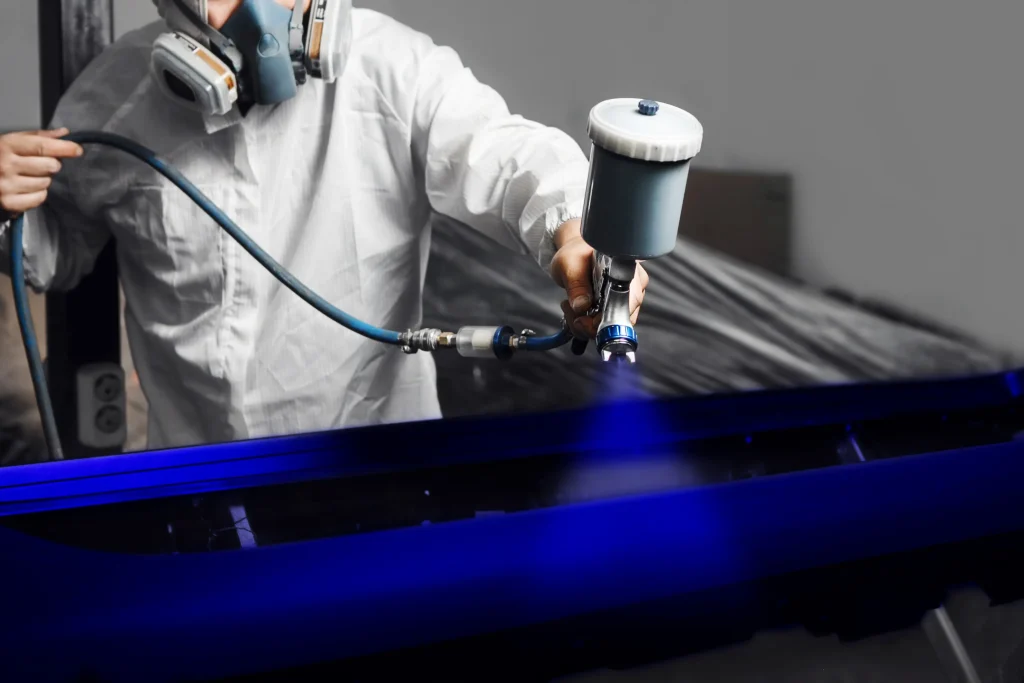
Corrosion Protection: The Financial Case for Powder Coating
Corrosion is the single largest long-term cost driver on fabricated steel left unprotected or under-protected, and powder coating’s combination of pretreatment and continuous film coverage is what keeps moisture and oxygen away from the base metal. For clients evaluating cost, this is where powder coating’s slightly higher upfront price typically pays for itself compared to liquid paint or leaving steel bare.
How Coating Thickness and Pretreatment Prevent Rust
Corrosion starts at any point where bare metal is exposed — a scratch, an under-coated edge, or a poorly pretreated surface — and spreads from there even if the surrounding coating looks intact. Proper pretreatment combined with consistent film thickness is what actually prevents this, more so than simply applying a thicker topcoat over inadequate prep. We go into this mechanism in detail in our article on how powder coating protects outdoor steel.
Why Recoat and Maintenance Costs Drop Over the Life of the Part
A properly coated and cured fabricated steel part typically doesn’t need recoating for 15+ years in moderate exposure conditions, compared to liquid-painted steel that often needs touch-up or full recoating within 5 to 7 years. Over a multi-year facility maintenance budget, that difference in recoat frequency is usually where powder coating’s total cost of ownership case gets made — not the initial invoice.
What to Confirm With a Coating Vendor Before Committing to a Fabrication Project
Fabrication shops and their commercial clients should verify a coating vendor’s pretreatment process, batch capacity, and quality testing protocol before committing volume — not just compare per-part pricing. A vendor that can’t answer these questions specifically is a signal to keep looking, regardless of how competitive their quote is.
Capacity and Turnaround for Multi-Part Fabrication Orders
Custom fabrication projects often involve dozens or hundreds of matching parts that need consistent color and gloss across the full run. A coating vendor’s oven size and batch capacity directly affect whether that consistency is achievable in a single production run, or whether the project risks visible lot-to-lot variation. Our full vendor checklist in what to look for in a commercial powder coating provider walks through exactly what to ask before committing a large fabrication order.
Frequently Asked Questions
Is powder coating more expensive than liquid paint for steel fabrication?
The upfront cost is often comparable or slightly higher, but powder coating’s longer service life and lower recoat frequency typically make it the lower total-cost option over the life of a fabricated steel part.
Can powder coating be applied to welded steel assemblies with complex geometry?
Yes, though weld seams and varying part thickness require careful cure verification, since thicker sections heat at a different rate than thin sheet steel within the same oven cycle.
How long does a powder-coated steel part typically last before it needs recoating?
With proper pretreatment and a full cure, powder-coated steel commonly performs for 15 years or more in moderate exposure conditions before recoating is needed.
Conclusion
Powder coating changes more than the appearance of a custom-fabricated steel part — it changes how that part holds up against impact, chemical exposure, and corrosion for the next decade and beyond, which is why it has become the default specification rather than an upgrade option on commercial fabrication work. The projects that get the most value from it are the ones where cure verification, substrate prep, and finish selection are treated as part of the fabrication process itself, not an afterthought handled by a separate vendor with no visibility into how the parts were built. If you’re specifying finish requirements for an upcoming fabrication run, we’re glad to review the part geometry and exposure conditions and recommend a coating spec built for how the parts will actually be used.
join our social networks to stay updated with our latest news and events. Don’t miss out on anything and follow our accounts today! Contact us!