When contractors, architects, and facility managers specify a finish for commercial aluminum, they’re not just choosing a color. They’re choosing how that component will hold up against decades of sun exposure, moisture, mechanical wear, and code inspections. At our shop, this is one of the most common questions we get on commercial bids: anodized or powder coated?
This article breaks both processes down in practical terms, so project teams can make a specification decision that performs well structurally, aesthetically, and financially over the building’s lifespan.
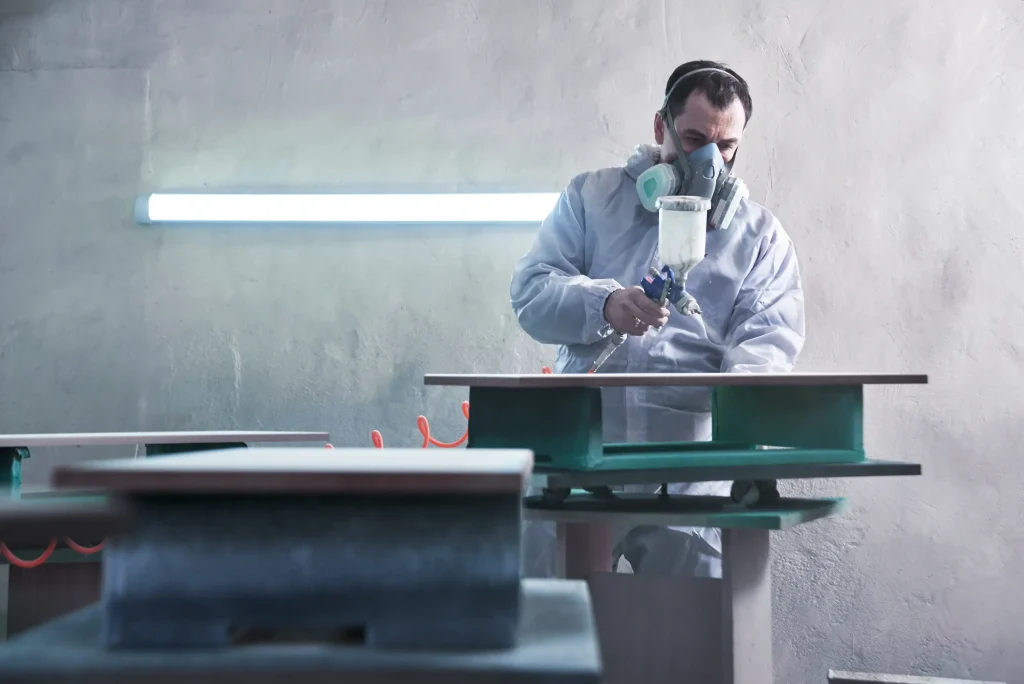
How Anodizing Works on Aluminum
Anodizing is an electrochemical process, not a coating. The aluminum part is submerged in an electrolytic bath and an electrical current is applied, converting the surface metal itself into a hard layer of aluminum oxide. Because the finish is grown from the base material rather than applied on top of it, it won’t peel or flake off the way a surface coating can.
Strengths and Limitations of Anodized Finishes
Anodizing offers excellent scratch and abrasion resistance, which makes it a strong choice for high-touch or high-traffic components. Its main limitation is color range — anodizing typically produces clears, bronzes, blacks, and a handful of integral tones, but it can’t match a custom architectural color or a specific brand palette the way a coated finish can.
Where Anodizing Is Commonly Specified
Anodized aluminum shows up frequently in curtain wall systems, storefront framing, and trim components where the metal itself is thin-gauge and abrasion resistance matters more than color flexibility.
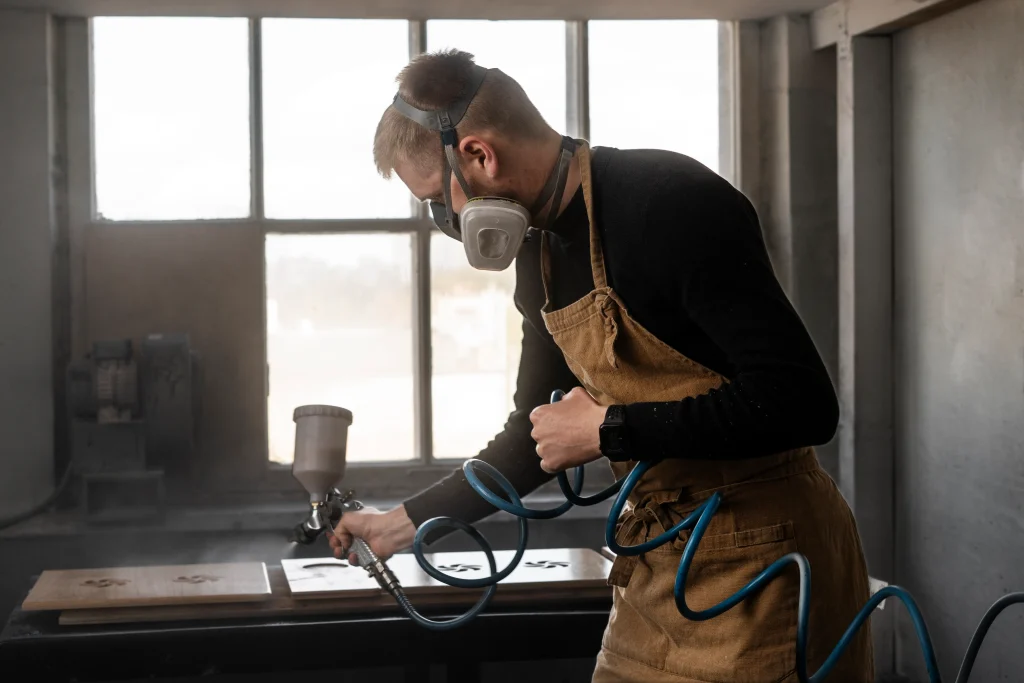
How Powder Coating Works on Aluminum and Steel
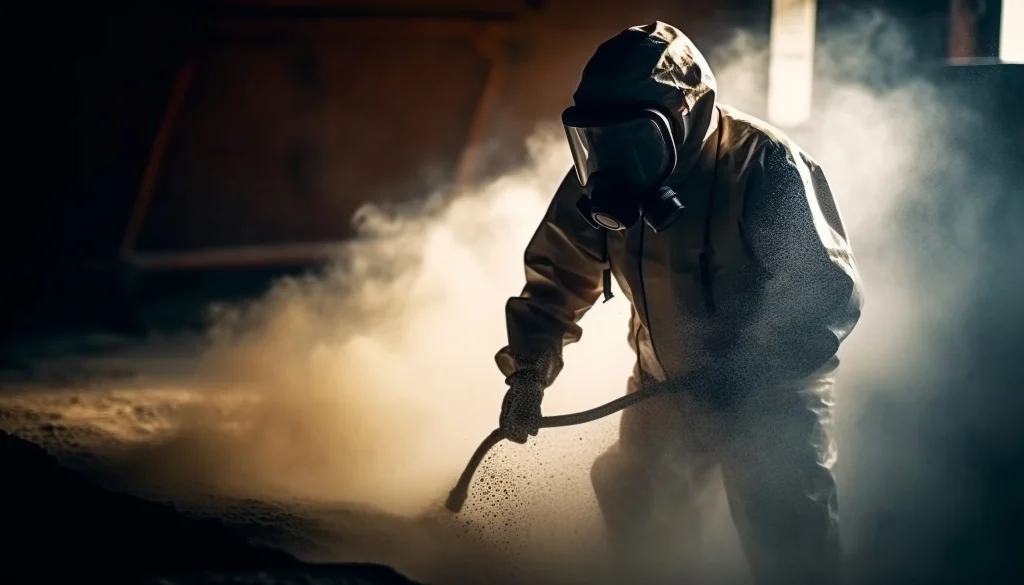
Powder coating applies a dry, electrostatically charged powder to the metal surface, then cures it under heat so it melts into a continuous, durable film. Unlike anodizing, this is a coating — but a significantly tougher one than liquid paint, and one that opens up far more design flexibility.
Coating Thickness and Why It Matters
Not all powder coating is applied at the same thickness, and that difference has a real impact on durability. Thicker films generally hold up better against impact and long-term UV exposure, but thickness has to be balanced against application cost and cure quality. We break this down in detail when comparing powder coating thickness across different commercial applications, since spec sheets alone don’t always tell the full story.
How Powder Coating Extends Component Lifespan
For exterior commercial components — railings, balcony framing, structural trim — the coating is often the single biggest factor in how long the part lasts before corrosion or fading forces a replacement. A well-applied, properly cured coating can meaningfully extend service life well beyond what an unfinished or poorly coated part would achieve, which is a topic we cover directly in how powder coating extends the lifespan of commercial metal components.
Cost, Corrosion, and Long-Term Value
The ROI of Coated Aluminum in High-Corrosion Environments
Coastal projects, industrial sites, and anything near road salt exposure put aluminum through accelerated corrosion stress. Specifying the right coating upfront costs more than skipping it, but the return shows up over the life of the building in avoided repairs, replacements, and warranty claims. We walk through this tradeoff in the ROI of using aluminum in high-corrosion environments, which is worth reviewing before finalizing a budget-driven finish decision.
What Actually Drives Cost on Commercial Steel and Aluminum Projects
Cost isn’t just the price per square foot of coating. Part geometry, batch size, prep work, and color changeovers all factor into the final number, and these variables shift depending on whether you’re coating aluminum, steel, or a mixed assembly. Our breakdown of cost factors in commercial steel powder coating applies to most of these same variables when aluminum is part of the scope.

Code and Application-Specific Considerations
Multi-Family and Balcony Applications
Balcony railings and structural components on multi-family housing projects face some of the strictest finish and durability requirements in commercial fabrication, largely because of the direct exposure and safety implications involved. These projects often have specific regulatory requirements around coating durability and structural performance, which we cover in our guide to multi-family housing balcony regulations. Getting the finish spec wrong here isn’t just a cosmetic problem — it can trigger a failed inspection.
Matching Finish Choice to the Application, Not Just the Look
The right answer between anodizing and powder coating almost always comes down to the specific application: exposure conditions, expected wear, color requirements, and whether the aluminum is paired with other coated materials on the same structure. A finish that’s ideal for storefront trim may be the wrong choice for a heavily trafficked stair rail, and vice versa.
Frequently Asked Questions
Is powder coating or anodizing better for exterior commercial aluminum?
Both perform well outdoors when properly specified. Anodizing tends to edge out on abrasion resistance, while powder coating offers far more color flexibility and, with the right thickness and cure, comparable long-term durability in most commercial exterior applications.
Does powder coating cost more than anodizing for large commercial orders?
It depends heavily on part geometry, batch size, and color requirements rather than the process itself. Powder coating often has an edge on turnaround and flexibility for large or custom-shaped runs, while anodizing can be more cost-efficient for high-volume, uniform parts.
Can powder coated aluminum meet code requirements for balcony and railing applications?
Yes, when the coating system and thickness are specified correctly for the application’s exposure class and structural load. This is an area where working with a fabricator familiar with local code requirements matters, since generic coating specs don’t always account for project-specific regulations.
Conclusion
Anodizing and powder coating both have a legitimate place in commercial aluminum fabrication — the right choice depends on your project’s color requirements, exposure conditions, budget, and structural application, not on which process is generically “better.” Getting this decision right upfront saves significant cost and rework down the line.
join our social networks to stay updated with our latest news and events. Don’t miss out on anything and follow our accounts today! Contact us!