Powder coating fence panels in North Carolina is a multi-step process. Each panel is inspected, stripped, blasted, pretreated, electrostatically coated and cured in an oven. The result is a hard, even finish that lasts far longer than paint. The cost depends on panel count, design, condition, base material and finish. Turnaround depends on project size and color availability.
This guide is for commercial property managers, fencing companies, HOAs and homeowners who want their fence to look sharp for years, not just a few months. We cover how the process works, what drives the cost, how North Carolina’s climate affects your choice, and what happens from your first call to final pickup. If you already have panels ready to coat, you can request a quote now and keep reading while we review your project.

Why Powder Coating Is the Smart Choice for Fence Panels in North Carolina
Fence panels take more abuse than almost any other metal on a property. They sit outdoors all year and are constantly hit by sprinklers, lawn equipment and road spray. In North Carolina, they also face a climate that is hard on metal. Liquid paint can look great on day one, but it usually chips, chalks and peels within a few seasons. Once the film breaks, moisture reaches the metal and corrosion spreads underneath.
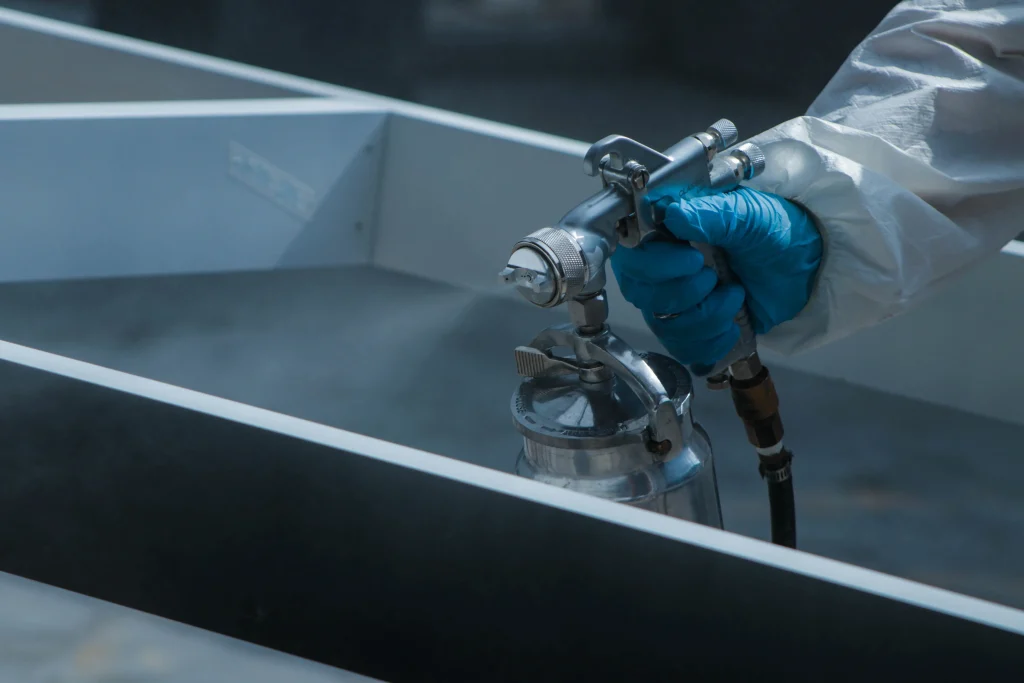
Powder coating solves the problem at its source. A dry powder is electrostatically charged, sprayed onto grounded metal and cured in an oven. The heat melts the powder into a continuous film that bonds tightly to the surface. The finish is thicker, harder and more uniform than conventional paint, with no drips, runs or brush marks.
How North Carolina’s Climate Affects Fence Finishes
North Carolina has several climates, and each one changes the coating system we recommend:
- Coastal areas such as Wilmington, Jacksonville and the Outer Banks expose fences to salt-laden air. Salt speeds up corrosion on steel and can pit unprotected aluminum.
- The Sandhills and Piedmont, including Fayetteville, Dunn, Raleigh and Durham, have long, humid summers, frequent thunderstorms and intense UV exposure.
- The western mountains add freeze-thaw cycles that stress coatings with poor adhesion.
Hurricane season also brings wind-driven rain and debris across much of the state. A fence finish here has to resist moisture, sunlight and impact at the same time. A properly applied powder coat handles all three better than paint.
Powder Coating vs. Paint for Fences
We often hear: “Why not just repaint the fence?” Here is a practical comparison:
- Durability: Cured powder resists chipping, scratching and fading far better than most liquid paints.
- Coverage: Electrostatic attraction pulls powder around pickets, rails and welded joints. It reaches edges that brushes and rollers often miss.
- Maintenance: A powder-coated fence usually needs only an occasional rinse. A painted fence needs scraping and repainting every few years.
- Environment: Powder contains virtually no volatile organic compounds (VOCs), and overspray can be reclaimed in the booth.
- Appearance: You get a consistent, factory-grade finish in hundreds of colors and textures.
For an independent look at the technology and its standards, the Powder Coating Institute is an excellent resource.
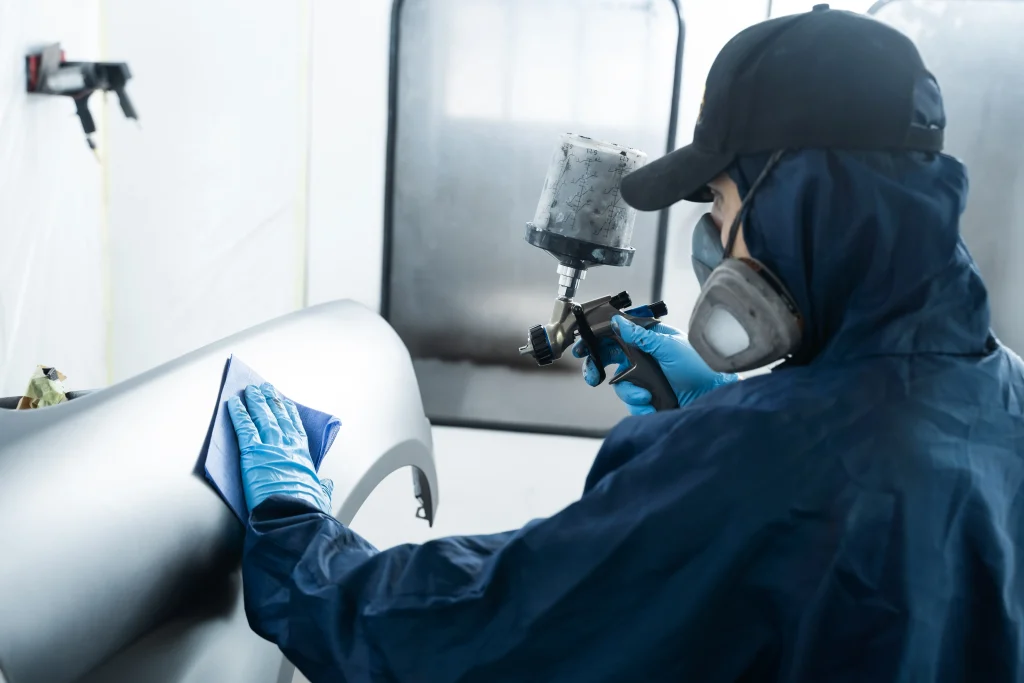
The Powder Coating Process for Fence Panels, Step by Step
Knowing what happens to your panels in the shop helps you judge the quality of the result. It also explains what affects cost and timing. Here is how we handle a typical fence project.
Step 1 – Inspection and Assessment
Every job starts with a close look at the panels. We identify the base material: steel, wrought iron, galvanized steel or aluminum. We check for existing coatings, measure rust and pitting, and note any broken welds or bent pickets. This inspection sets the preparation method and lets us give you an accurate estimate before any work begins.
Step 2 – Stripping and Surface Preparation
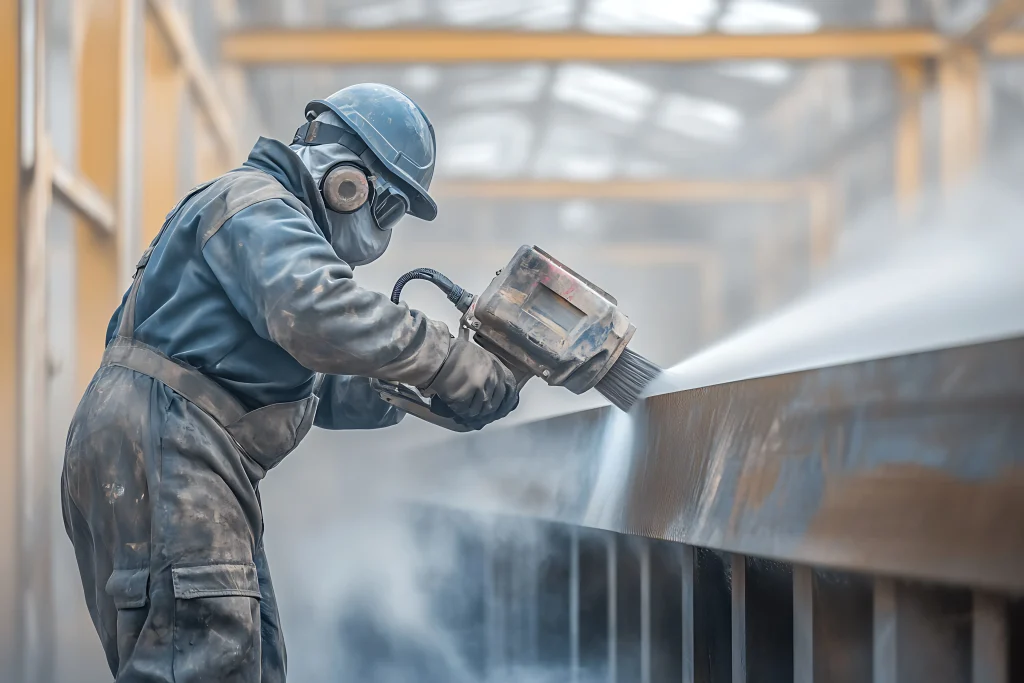
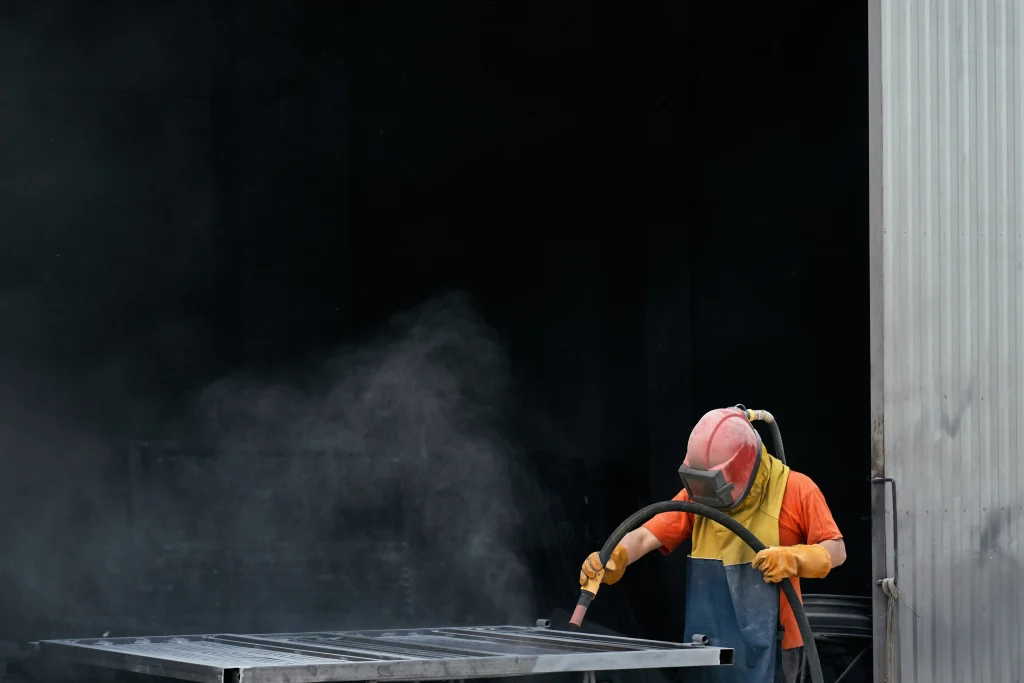
Surface preparation is the single biggest factor in how long a powder coat lasts. Old paint, mill scale, rust and oils must be removed completely. Depending on the panel, we use chemical stripping, thermal burn-off or abrasive blasting. Each method returns the metal to a clean, profiled surface that the powder can grip.
Media Blasting for Steel and Wrought Iron
Steel and wrought iron panels usually go through abrasive blasting. Blasting removes corrosion down to bare metal and leaves a slight surface profile that improves adhesion. Ornamental panels with scrollwork take longer, because every curl and joint has to be reached.
Special Considerations for Galvanized Panels
Galvanized panels can be powder coated, but they need extra care. Zinc coatings trap gases that can escape during curing and leave pinholes or bubbles. This defect is called outgassing. We prevent it with sweep blasting, pretreatment and preheating so the finish lays down smooth. Galvanizing plus powder coating is known as a duplex system, and it is one of the most corrosion-resistant options for coastal properties.
Step 3 – Pretreatment
After blasting or stripping, the panels are cleaned and pretreated. This removes remaining contaminants and improves corrosion resistance under the coating. With good pretreatment, a scratch in the finish is far less likely to let rust creep under the surrounding film.
Step 4 – Electrostatic Application
Panels are hung on racks and grounded. Our applicators spray the powder with an electrostatic gun, which charges each particle. The charged powder clings evenly to the metal, including the backs of pickets and inside corners. For maximum protection, we can apply a primer coat followed by a topcoat. We can also add a clear coat over metallic and textured colors.
Step 5 – Oven Curing
The coated panels then go into the oven. The heat melts the powder and triggers a chemical reaction that cross-links it into a durable film. Cure time and temperature follow the powder manufacturer’s specifications. Getting this right matters. An under-cured finish stays soft, and an over-cured one can turn brittle or shift in color.
Step 6 – Quality Control and Packaging
Once the panels cool, we inspect each one for coverage, thickness, adhesion and appearance. We touch up hanging points where needed. Then we wrap and stack the panels carefully so they reach your job site without scratches.
How Much Does It Cost to Powder Coat Fence Panels in North Carolina?
This is the question we hear most. The honest answer is that cost depends on the project. Two fences of the same length can be priced very differently because of their design, condition and material. Understanding what drives the quote helps you plan a budget and compare estimates fairly.
The Main Factors That Affect Your Price
- Number and size of panels: Larger jobs use oven and booth time more efficiently, which often lowers the cost per panel.
- Panel design: Flat picket panels coat quickly. Ornamental, scrolled or mesh designs need more blasting, more powder and more handling.
- Current condition: Heavy rust, multiple layers of old paint or damaged welds add preparation time.
- Base material: Galvanized steel needs extra steps to prevent outgassing. Bare aluminum usually needs less blasting.
- Coating system: A single topcoat costs less than a primer-plus-topcoat or duplex system. Coastal and high-traffic properties often justify the upgrade.
- Color and finish: Standard colors are generally more economical than specialty metallics, textures or custom color matches that need a dedicated batch.
- Gates, posts and hardware: Gates, posts, finials and brackets add pieces to the job. Coating them with the panels guarantees a perfect color match.
Why Powder Coating Saves Money Over Time
When you compare powder coating with paint, look beyond the first invoice. A painted fence usually needs scraping, priming and repainting every few years, with labor costs each time. A properly prepared and cured powder coat can protect the same fence for many years with little more than periodic cleaning. For property managers and HOAs, that means fewer maintenance cycles, less disruption and a lower total cost of ownership.
Want to know what your specific fence will take? Request a quote with your panel count, dimensions and a few photos. We will recommend the right coating system for your location.
What to Expect When You Bring Your Fence Panels to Our Shop
Whether you are a homeowner, an installer or a general contractor, you should know exactly what happens from the first call to final pickup.
Getting a Quote
Send us photos, panel dimensions, quantities and the material if you know it. If the panels are still installed, we can tell you what to check before removal. With that information, we prepare an estimate and recommend a coating system suited to your location. Send us your project details or call us at (919) 438-6103 to get started.
Turnaround Times
Turnaround depends on the number of panels, how much preparation they need, the coating system and whether your color is in stock. Large commercial orders, heavy restoration work and custom colors take longer. We always confirm a realistic date before starting, so you can schedule installation with confidence. To see how we plan larger jobs, read our guide to commercial powder coating turnaround times.
Drop-Off, Pickup and Logistics
Fence panels are bulky, and moving them is often the hardest part of the job. A shop close to your project makes transport simpler, reduces handling and keeps timelines predictable. Our shop is in Dunn, NC, and we serve customers across the region. Learn more about the advantages of local drop-off and pickup options for your project.
Coordinating Fence Projects With Other Metalwork
Fences rarely stand alone. Commercial sites often include railings, gates, canopies and access equipment that should share one color and finish. We regularly match fence panels with other architectural elements, such as architectural shading systems that improve energy efficiency. We also coat industrial access equipment, including heavy-duty industrial aluminum ladders. Coating everything in one batch keeps the property visually consistent and simplifies scheduling. If your project is in Cumberland County, see our page on powder coating in Fayetteville, NC.
Choosing the Right Color and Finish for Your Fence
Color affects more than looks. It also influences heat absorption, visibility and how well the fence hides wear.
Popular Fence Colors in North Carolina
Black is the most requested color for ornamental and commercial fencing. It blends into landscaping and hides dust and minor scuffs. Bronze and dark brown complement the brick and natural stone common across North Carolina. White suits coastal homes and traditional designs, and gray tones are increasingly popular on modern commercial properties. Many HOAs specify a color, so check your community guidelines before choosing.
Gloss Levels and Textures
- Gloss: Bright and clean, but it shows imperfections more easily.
- Semi-gloss and satin: A balanced, professional look that suits most fences.
- Matte: Contemporary and low-glare.
- Textured: Hides minor surface flaws and resists visible scratches, which makes it practical for high-traffic areas.
For coastal and high-sun locations, we recommend super-durable or exterior-grade polyester powders. They are formulated to hold color and gloss much longer under UV exposure.
Not sure which color or gloss meets your HOA guidelines? Talk to our team and we will help you decide before your panels go into the booth.
How to Care for Powder-Coated Fence Panels
Powder-coated fences need very little attention, but a few simple habits extend their life:
- Rinse the fence with fresh water a few times a year to remove salt and dirt, and more often near the coast.
- Use mild soap and a soft brush for stubborn grime. Avoid abrasive pads and harsh solvents.
- Inspect after storms and repair deep scratches promptly with a manufacturer-matched touch-up product.
- Adjust sprinklers so they do not spray the fence constantly, especially with hard or iron-rich water.
- Trim vegetation that holds moisture against the bottom rails.
Frequently Asked Questions
Can old, rusty fence panels be powder coated?
Yes. As long as the metal is structurally sound, we can strip and blast away rust and old coatings, repair minor weld issues and restore the panel to a like-new finish. Sections that are rusted through may need repair or replacement before coating.
How long does a powder-coated fence last in North Carolina?
With proper surface preparation, pretreatment and an exterior-grade powder, a coated fence can look good for many years. Coastal exposure, sprinkler water and physical damage are the main factors that shorten its life. That is why we tailor the coating system to your location.
Can you match the color of my existing fence or HOA requirements?
In most cases, yes. We can work from RAL codes, manufacturer color names or a physical sample. Custom matches can add time to the schedule, so let us know early.
Protect Your Fence With a Finish Built for North Carolina
Powder coating fence panels in North Carolina protects your investment against humidity, salt air, UV and daily wear far better than paint. A long-lasting finish depends on careful inspection, thorough surface preparation, the right coating system for your region and correct oven curing. Because every fence is different, a project-specific quote is the best way to know what your panels need.
If you are planning a new fence, restoring an older one or coordinating a commercial site, we are ready to help. Request your quote today, call us at (919) 438-6103, or visit our shop at 109 East Devine St, Dunn, NC 28334.