To prepare outdoor metal structures for winter in North Carolina, inspect every coated surface for chips and rust, wash off dirt and salt, seal or recoat exposed metal before the first freeze, and confirm that drainage points stay clear. Powder coating outdoor metal before November gives steel and aluminum the best protection.
Every fall, we see the same pattern at our shop. Property managers, contractors and facility owners wait until a railing shows rust streaks in January, and by then the damage has spread under the coating. Powder coating outdoor metal in North Carolina is one of the most effective ways to stop that cycle, but the real savings come from preparing your structures before the cold arrives. In this guide, we walk you through the inspection, cleaning and coating steps we recommend to our commercial clients across the state, from Fayetteville and Dunn to the coast.
Why North Carolina Winters Are Hard on Outdoor Metal Structures
North Carolina winters are mild compared to the Midwest, and that is exactly why so many owners underestimate them. Our climate produces repeated freeze-thaw cycles, wet ice events and high humidity, a combination that attacks metal at its weakest points: scratches, welds, fasteners and edges.
The problem is rarely one hard freeze. It is dozens of small temperature swings that push moisture into every gap in the finish and then expand it.
Freeze-Thaw Cycles in the Piedmont and Sandhills
In the Piedmont and Sandhills, nighttime temperatures often drop below freezing and climb back into the 50s by afternoon. Water that seeps into a hairline crack in the coating freezes overnight, expands, and widens the crack a little more each time.
After a full season of this, a chip the size of a pencil tip can become a blistered patch of rust several inches wide. That is why early inspection matters more than any single repair.
Ice Storms and Road Brine
Freezing rain events hit central and eastern North Carolina almost every winter. Ice adds weight to canopies and overhead structures, and the salt brine that crews spread on roads and parking lots splashes onto fences, bollards, handrails and loading dock steel.
Chloride from that brine is highly corrosive. Once it reaches bare steel, it accelerates rust far faster than rainwater alone.
Coastal Salt Air From Jacksonville to Wilmington
For properties near the coast, winter brings stronger winds that carry salt spray further inland. Structures in Onslow, Pender and New Hanover counties face a double exposure: airborne salt plus winter moisture.
In these areas, we recommend tighter inspection intervals and coatings formulated for high corrosion resistance, often with a zinc-rich primer under the topcoat on steel.
What Is Powder Coating and Why Does It Protect Outdoor Metal in Winter?
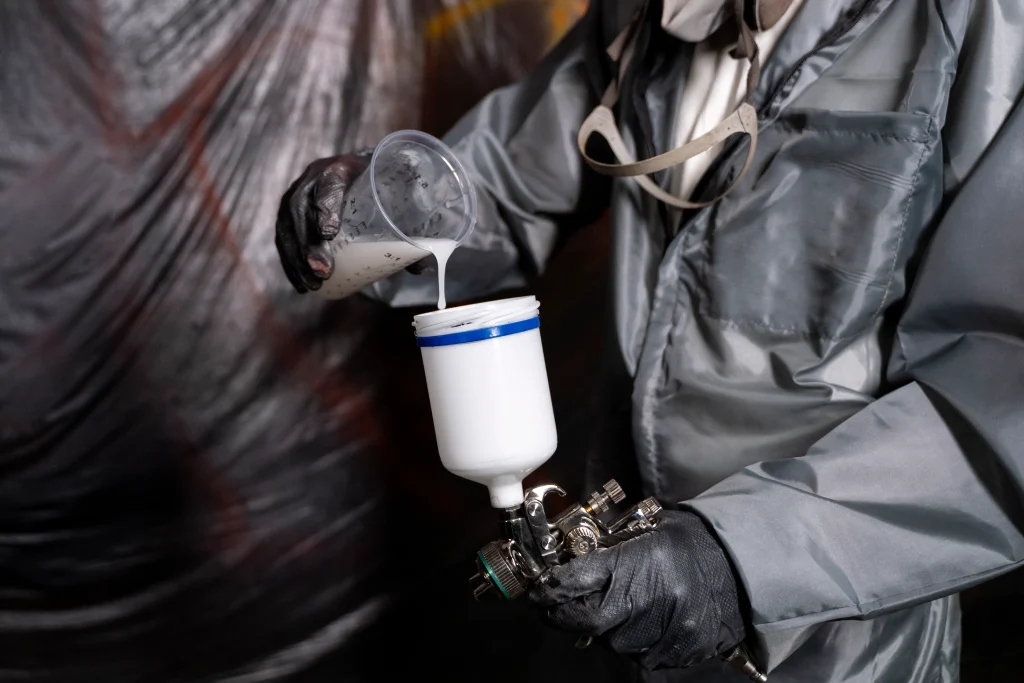
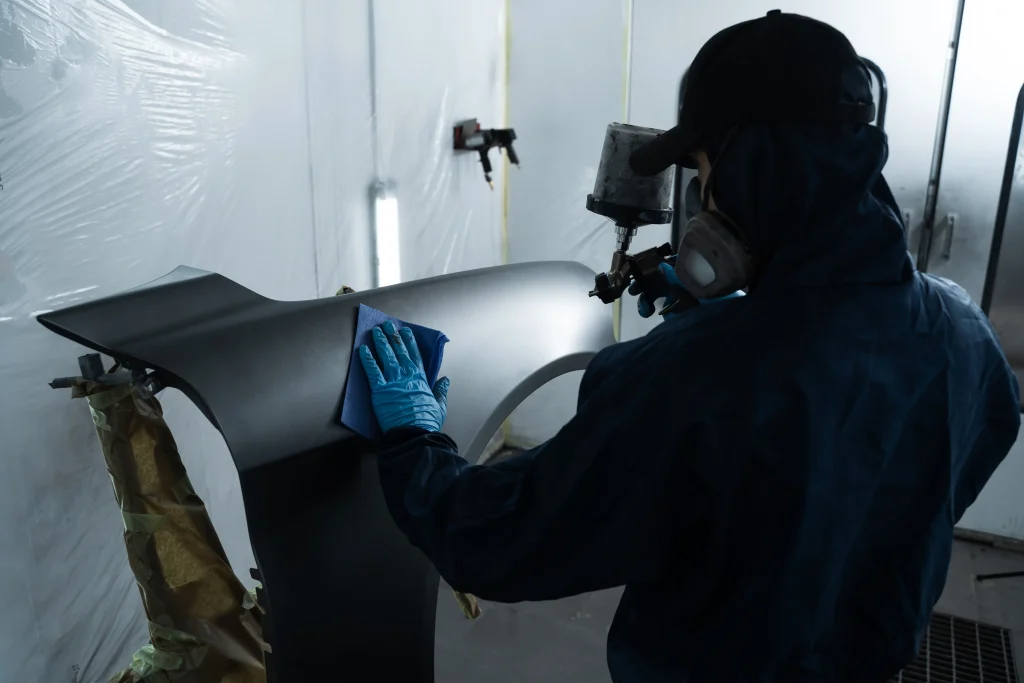
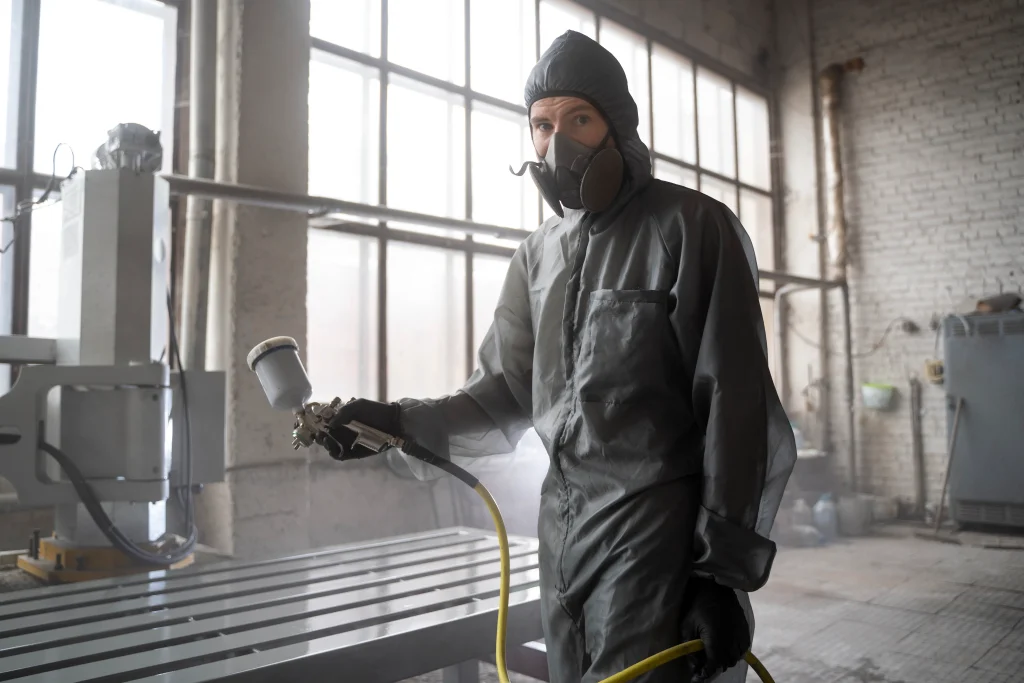
Powder coating is a dry finishing process in which electrostatically charged powder is sprayed onto clean metal and then cured in an oven, where it melts and bonds into a continuous, hard film. That cured film is thicker and more uniform than most liquid paints, and it resists chipping, moisture and UV exposure.
For winter performance, the key advantage is continuity. A properly applied powder coat wraps edges, corners and welds with an even layer, which leaves fewer entry points for water and salt. The Powder Coating Institute publishes detailed technical guidance on how cured powder films perform in demanding outdoor environments.
Powder Coating vs. Liquid Paint in Cold Weather
Liquid paint applied in the field depends on air temperature and humidity to cure correctly. In late fall, cool mornings and damp afternoons often produce soft films with poor adhesion that fail during the first freeze.
Powder coating is applied and cured inside a controlled shop environment, so outdoor weather does not affect the quality of the finish. This makes fall the ideal time to recoat removable components such as gates, panels, rails and canopy frames before winter sets in.
Step-by-Step: How to Prepare Outdoor Metal Structures for Winter
The following process is the same checklist our team uses when we evaluate commercial and architectural metalwork in the fall. It works for steel and aluminum, and it scales from a single handrail to an entire facility.
Step 1: Inspect Every Coated Surface
Walk each structure in daylight and look closely at welds, corners, base plates, fastener heads and any area that takes impact from carts, vehicles or foot traffic. These are the spots where coatings fail first.
Take photos and note the location of every defect. A simple inspection log lets you compare conditions in spring and helps us quote repairs accurately if a recoat is needed.
Warning Signs to Document
- Chips or scratches that expose bare metal
- Blistering or bubbling, which means moisture is already under the coating
- Rust bleeding from welds, bolts or the bottom of posts
- Chalking or fading, a sign of UV breakdown that weakens the film
- White powdery deposits on aluminum, an early sign of oxidation
Step 2: Clean Off Dirt, Pollen and Salt
Dirt and organic residue hold moisture against the finish all winter long. Wash structures with mild soap and water, rinse thoroughly, and let them dry completely before any touch-up work.
Avoid pressure washers set too high, wire brushes on intact coatings and solvent-based cleaners. These can damage a healthy finish faster than the weather does.
Step 3: Treat Bare Metal Before the First Freeze
Small chips can be cleaned, lightly sanded and sealed with a compatible touch-up product as a temporary measure. This slows corrosion until a proper recoat can be scheduled.
When damage is widespread, touch-ups only delay the problem. Removing the old finish, blasting the surface and applying a new powder coat restores the full protective barrier. Many of our clients in Cumberland, Harnett and Hoke counties schedule this work in October so parts return before December.
Step 4: Check Drainage, Fasteners and Welds
Standing water is the enemy of any outdoor metal structure. Confirm that drain holes in tubing, post caps and canopy frames are open and that water cannot pool at base plates.
Tighten loose fasteners and replace corroded hardware with stainless or coated alternatives. A rusted bolt can stain and undercut the coating around it within a single season.
Step 5: Clear Canopies, Shades and Overhead Structures
Overhead metal takes the brunt of ice accumulation. Remove debris from gutters and channels, and verify that connection points show no cracking or rust before the first ice event.
If your property uses sunshade and canopy systems, check the coating at every bracket and joint, since these areas hold moisture longest. For larger installations such as louvers and fins, the coating also protects the performance of your architectural shading systems, which keep delivering energy benefits year-round when the finish stays intact.
Step 6: Secure Access Equipment and Walkways
Icy rungs and steps create real safety risks for maintenance crews. Inspect ladder rails, treads and mounting hardware for corrosion, and confirm that anti-slip surfaces remain effective.
For rooftop access, mezzanines and loading areas, coated heavy-duty industrial aluminum ladders resist both winter moisture and the oxidation that weakens untreated aluminum over time.
Which Outdoor Metal Structures Need the Most Attention?
Not every structure carries the same level of risk. We prioritize based on exposure, traffic and the cost of failure.
| Structure | Main Winter Risk | Priority Action |
|---|---|---|
| Fences and gates | Ground moisture, road brine | Inspect posts at grade level |
| Railings and handrails | Salt from de-icing, constant contact | Recoat worn grip areas |
| Exterior stairs | Ice, standing water on treads | Check welds and drainage |
| Canopies and awnings | Ice load, trapped moisture | Clear channels, inspect brackets |
| Shading and louver systems | Moisture at joints | Inspect fasteners and edges |
| Ladders and access platforms | Icy rungs, oxidation | Verify coating and anti-slip surfaces |
Fences and Gates
Fence posts sit in the wettest zone of any property, where soil moisture, mulch and splash-back keep the bottom few inches damp for months. That is where rust almost always starts.
If your panels already show corrosion near the ground, our guide to powder coating fence panels in NC explains how the recoating process works and what to expect.
Railings, Stairs and Handrails
Railings and stairs face constant contact from hands, shoes and de-icing salt. Even a high-quality finish wears thin on grip surfaces and stair nosings after a few years.
Because these elements also carry safety and code implications, we recommend addressing visible rust immediately rather than waiting for spring.
When Should You Recoat Instead of Touching Up?
A touch-up makes sense when damage is limited to a few isolated chips on an otherwise healthy finish. A full recoat is the better investment when the coating has lost its integrity across larger areas.
If you can push a fingernail under the edge of the coating, the bond has already failed.
Signs a Full Recoat Is the Better Option
- Rust covers more than a few isolated spots on a single component
- Blistering appears in several areas, not just at one impact point
- The finish is chalked or faded across the entire structure
- Previous touch-ups have already failed
Planning a Pre-Winter Powder Coating Project in North Carolina
The most successful winter preparation projects we handle start with a clear timeline and simple logistics. Planning ahead keeps your structures protected and your property operational.
Timing Your Project Before the Cold Arrives
October and early November give you the best window. Parts can be removed, blasted, coated, cured and reinstalled before freezing temperatures make field installation slower and less reliable.
Waiting until after the first ice storm usually means working around damaged structures, tighter schedules and safety concerns during reinstallation.
Simple Logistics for Local Projects
Removable components such as gates, panels, rails and canopy frames can travel to our facility in Dunn. Choosing local drop-off and pickup options cuts transit time and reduces the risk of damage to freshly coated parts.
For clients in Cumberland County and nearby areas, our team also provides powder coating in Fayetteville, NC for canopies, stairs and architectural metalwork.
Frequently Asked Questions
Can powder coating be applied during winter in North Carolina?
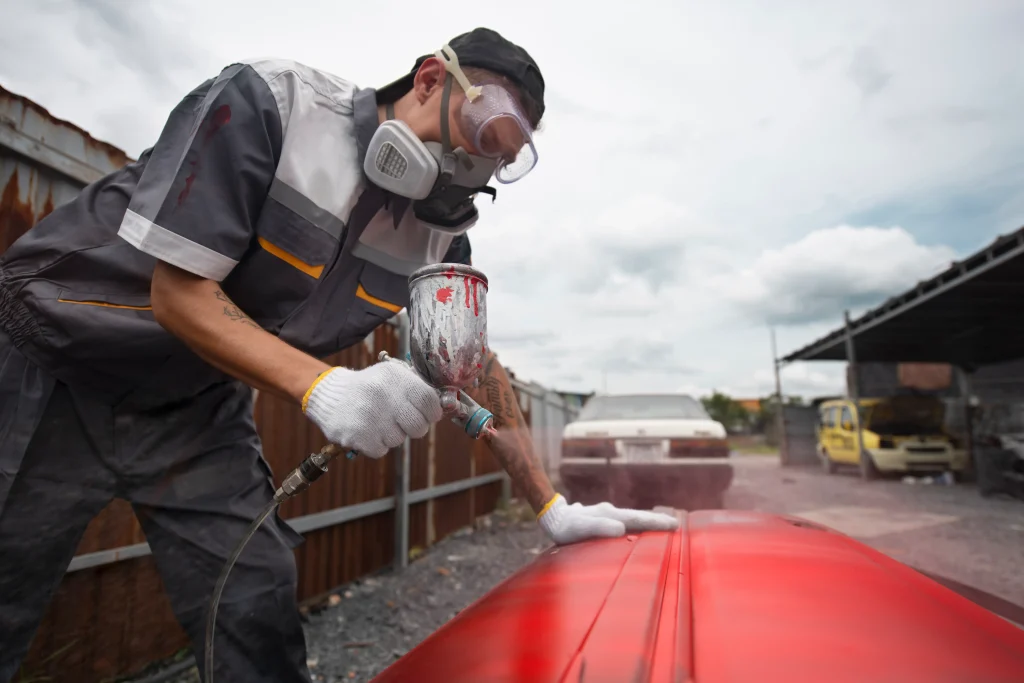
Yes. Powder coating is applied and cured inside a controlled shop environment, so outdoor temperatures do not affect the finish. The only seasonal factor is removal and reinstallation, which is easier before freezing weather arrives.
How long does powder coating last on outdoor metal structures?
A properly applied powder coat on correctly prepared metal typically lasts many years outdoors. Lifespan depends on surface preparation, powder chemistry, exposure to salt and how quickly damage is repaired.
Does road salt damage powder-coated metal?
Road salt and brine do not attack an intact powder coat easily, but they accelerate corrosion wherever the coating is chipped. Rinsing salt residue off railings and fences during winter extends coating life considerably.
Should aluminum structures be coated for winter protection?
Yes. Aluminum does not rust, but it oxidizes and pits, especially near the coast. Powder coating seals the surface, preserves appearance and protects structural components such as ladders, shades and canopy frames.
When is the best time to schedule a recoat before winter?
We recommend scheduling in late September or October. This leaves enough time for removal, surface preparation, coating, curing and reinstallation before the first sustained freeze.
Conclusion

Winter damage to outdoor metal structures is rarely sudden. It builds quietly through small chips, trapped moisture and salt exposure until a minor repair becomes a full replacement. A structured fall routine of inspection, cleaning, drainage checks and timely recoating stops that progression before it starts.
At Richards Powdercoat, we help businesses, contractors and property owners across North Carolina extend the life of fences, railings, stairs, canopies, shades and access equipment with durable, shop-cured finishes. If your structures show early warning signs, now is the right moment to act.
join our social networks to stay updated with our latest news and events. Don’t miss out on anything and follow our accounts today! Contact us!